World
One in Eight Gaza Children Stunted as War and Blockade Cut Off Nutrition and Care
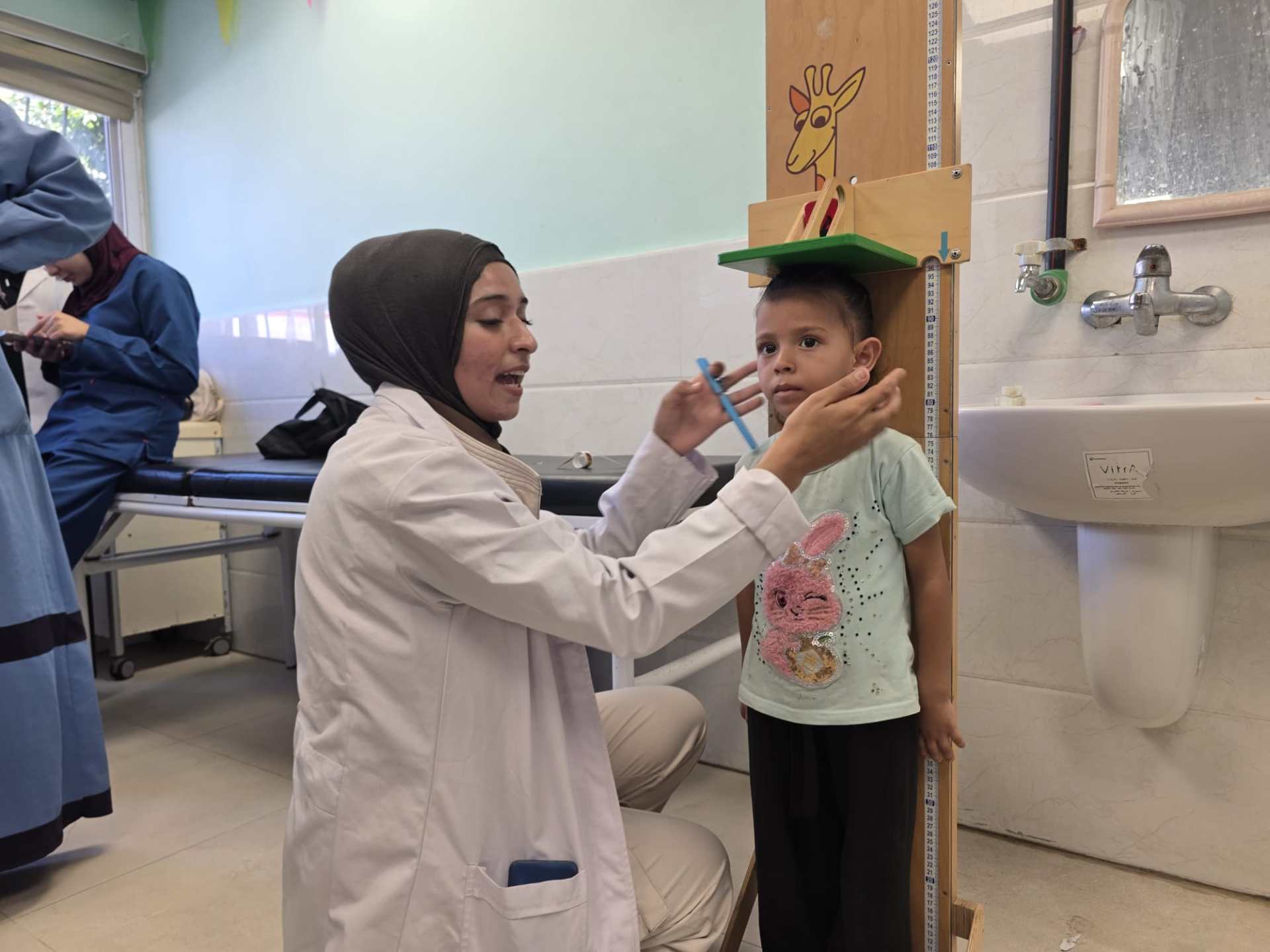
In Khan Younis, seven‑year‑old Nabigha al‑Zaqzouq, who is 99 cm (3.2 ft) tall and weighs 10 kg (22 lb), asks her mother, Alia, whether she will ever grow taller. Nabigha’s height and weight make her look several years younger than her age. The family’s diet consists mainly of bread and canned food, while meat, fruit and vegetables are unaffordable. Alia says the war and the subsequent blockade have made medicines and treatments difficult to obtain.
Other children in the area show similar growth problems. Five‑year‑old Tala Zidan is 94 cm (3 ft) tall, about 15–16 cm shorter than the average for her age. Her father, Tahrir Zidan, reports that Tala’s height has not changed in two years and that the family has lost its job after being displaced from Khuza’a to al‑Mawasi. The family now relies on meals from charitable community kitchens, but these are often finished before everyone is fed.
A UNICEF nutritional survey of accessible Gaza Strip areas from 31 May to 15 June 2026 found that 12.2 % of children under five were stunted and only 22.4 % of children aged six to 23 months received a minimum acceptable diet. Nutritionist Nada Abu al‑Nada notes that the crisis involves both the quantity and quality of food. Families have cut back on meat, chicken, fish, eggs, milk, vegetables and fruit, relying more on bread, rice and pasta. Children need balanced diets rich in proteins, iron, zinc and calcium for proper bone and muscle development.
Before the war, average food availability was about 2,580 calories per person per day; it has fallen to roughly 1,000 calories, Abu al‑Nada says. The first 1,000 days from conception to age two are particularly critical, but older children also suffer from prolonged deprivation. Diarrhoea, gastrointestinal illnesses and contaminated water further reduce nutrient absorption.
At Nasser Hospital, endocrinologist Hani Sayed Zuhair reports that the number of children presenting with growth problems has risen from about 15–20 per clinic session before the war to 30–40 now. He cites cases of eight‑year‑olds whose bones are at a developmental stage typical of children half their age, indicating significant skeletal delay. While short stature can result from hormonal disorders or chronic illnesses, Zuhair notes that many children with malnutrition also have hormonal deficiencies.
Diagnosing delayed growth requires monitoring height and weight against growth charts and performing medical tests. Growth hormone stimulation tests are unavailable in Ministry of Health laboratories and are offered only sporadically by private labs, costing between 350 and 400 shekels ($106–$120). Growth hormone injections cost 80–120 shekels ($24–$36) per dose, and children may need repeated injections, adding financial strain. The injections must be stored at proper temperatures and followed up regularly, conditions that are hard to maintain amid war and blockade.
Abu al‑Nada says some children may catch up if nutrition improves early enough, but recovery depends on age, duration and severity of deprivation and other health factors. Protein and micronutrient deficiencies can reduce muscle mass, cause anaemia, weaken immunity and impair concentration, learning and cognitive development. These effects are compounded by psychological stress, sleep deprivation, recurrent illnesses and displacement.
Alia al‑Zaqzouq remains unable to answer her daughter’s question about when she might grow taller, while Tahrir Zidan continues to struggle to secure enough food for his children. “We are exhausted,” Alia says.
Frequently asked questions
What percentage of children under five in Gaza are stunted?
12.2% according to the UNICEF nutritional survey.
How has daily calorie availability changed in Gaza since the war?
It fell from about 2,580 calories per person per day to roughly 1,000 calories.
What is the cost of growth hormone injections for children in Gaza?
Growth hormone injections cost 80–120 shekels ($24–$36) per dose.