World
Israel’s Video in South Lebanese Christian Village Sparks Condemnation
On Lebanon’s Independence Day, Israel’s Arabic‑language military spokesperson Ella Waweya posted a video on X from a classroom in Dibil, a Christian village in south Lebanon. In the clip she wished Lebanese a happy national day, praised singer Fairuz, and blamed Hezbollah for hardships in southern Lebanon. Lebanese officials, including Dibil’s municipality, condemned the video and said the visit occurred about a month before it was posted, without prior coordination with the school. The Israeli military said an investigation was reviewing the incident and it is unclear whether Waweya had official approval to post the video.
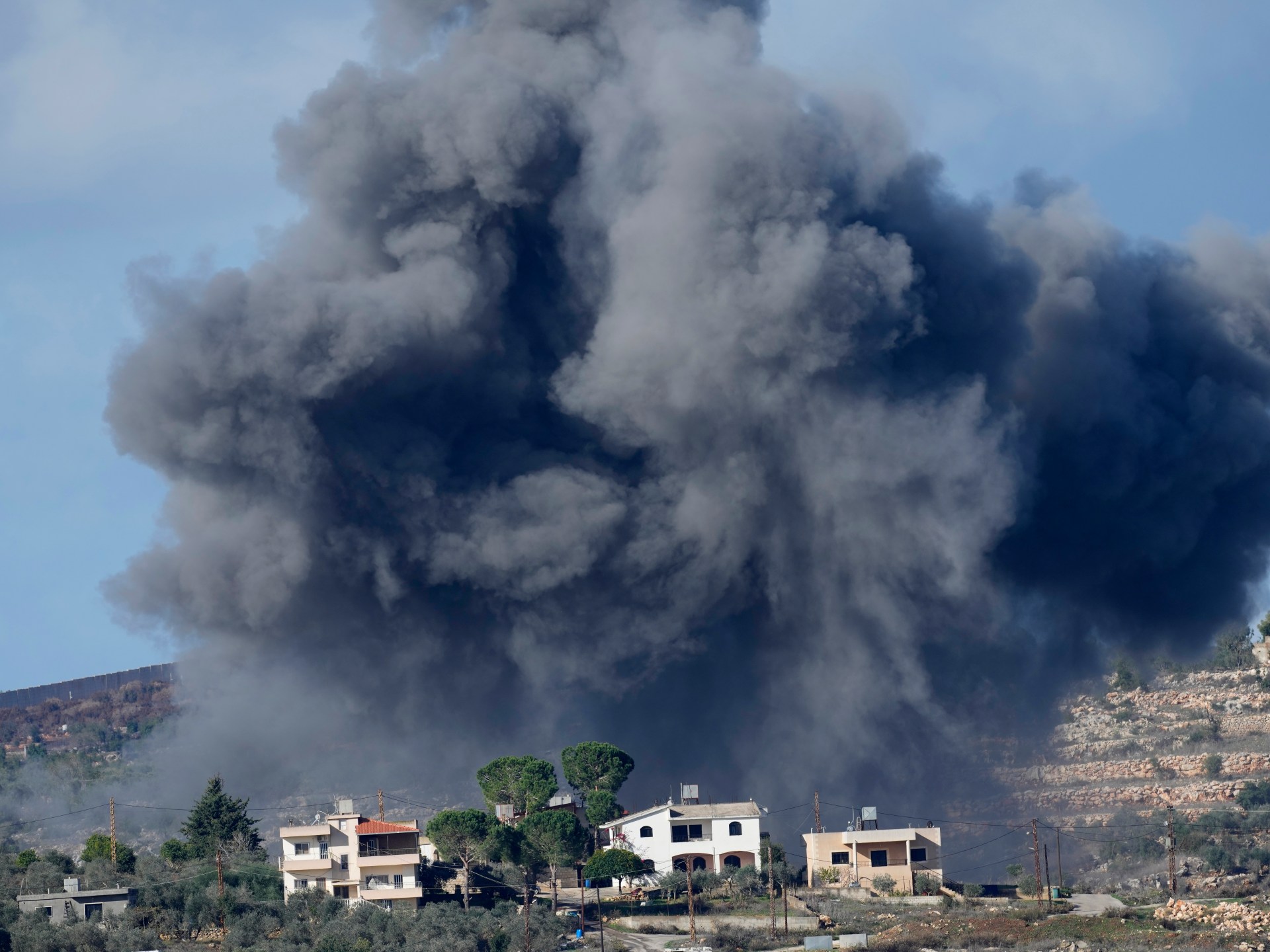
Christian villages in southern Lebanon have generally been allowed to remain on their lands during Israel’s war on Lebanon, but they still live under Israeli occupation. Residents report that movement to Beirut requires permission through a “mechanism” involving the Lebanese Army, the UN, and Israeli approval. The villages are now being used as part of an Israeli strategy to foment divides among the Lebanese population, experts told Al Jazeera.
Israel launched a massive assault on Lebanon in October 2023, shortly after the Gaza conflict began. According to Lebanon’s Ministry of Public Health, about 9,000 people have been killed since then, with southern Lebanon, where Hezbollah has a presence, being the worst affected area. The war has made much of the south uninhabitable, and Christians have been killed and displaced.
In early November, mayors of five Christian villages appealed to the Council of Catholic Patriarchs and Bishops of Lebanon for help so residents can remain on their land and displaced people can return. They wrote, “Help us make staying on our land a choice of life based on security, dignity, work and hope, rather than an anxious wait in uncertainty.”
Ain Ebl municipal president Ayoub Khreish said a little more than half of the town’s population fled since the start of the war. Daily convoys bring food and other necessities, but the local economy has ground to a halt. He initially hoped for a political solution, but a June framework agreement between Israel and Lebanon that would have seen Israeli troops withdraw from the south and Hezbollah disarm has not progressed. Talks have stalled since August.
Experts say the treatment of Christians in Lebanon is part of a wider strategy to fragment and divide the local population. Munira Khayyat, author of *Landscape of War: Ecologies of Resistance and Survival in South Lebanon*, told Al Jazeera that Israel has a longstanding strategy of separating Christians from their social, ethnic, national and historical environment to reinvent them as foot soldiers for the Zionist cause.
In July, Israeli Prime Minister Benjamin Netanyahu claimed that some Lebanese Christians had asked Israel for protection from Hezbollah and that Israel had annexed some Christian villages. Lebanese officials, including Hanna al‑Amil, president of the Rmeish Municipality, rejected the claim, calling it “completely fabricated.” A statement signed by 15 southern villages called the claim “unrelated to reality.”
Michael Young, a Lebanese political analyst and writer at the Beirut‑based Carnegie Center, said Israel aims to show the outside world, especially the United States, that it protects Christians and other minorities after its actions in Gaza turned public opinion heavily against it. He noted that Israel’s public relations campaign is part of a broader policy of fragmentation.
Young cited a paper by Tamir Hayman, former chief of the Israeli military’s Intelligence Directorate and current executive director of the Institute for National Security Studies, which outlines Israel’s view that Arab states are collections of tribes and ethnic groups lacking a shared national vision. Hayman argues that undermining their stability is a natural process that Israel can manage more effectively than confronting strong nation‑states.
In south Lebanon, locals of all denominations have expressed frustration or anger towards Hezbollah, but criticism of Hezbollah does not automatically align with Israel. Many Lebanese Christians are shocked by the destruction of Shia villages around them and find it inconceivable to live without their Shia neighbours.
Khreish said the war and occupation have left residents feeling stuck and that any effort to travel outside their area brings constant anxiety. He expressed hope for peace and asked, “What has this war brought us?” He added that the community lives day by day, unsure of what the future holds.