Climate & Environment
Supreme Court Urges Action on Delhi Air Pollution, Blames Vehicles and Stubble Burning
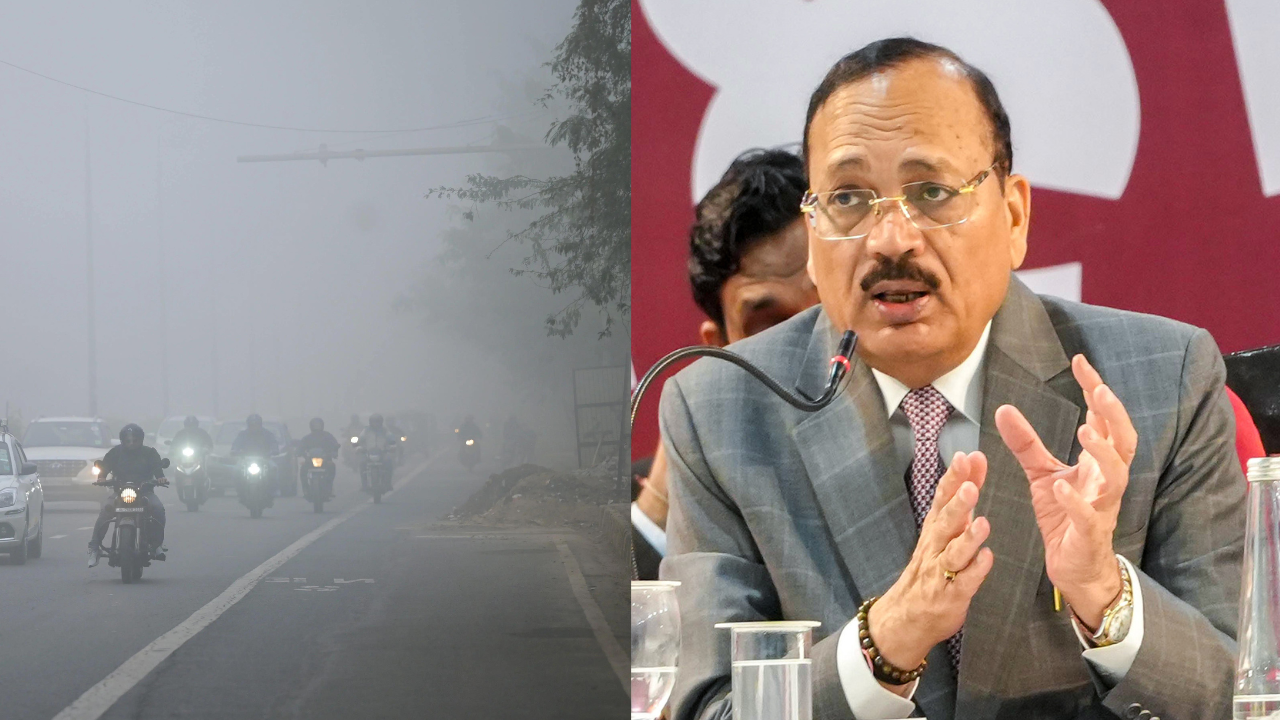
The Supreme Court heard a suo motu case on air pollution in the Delhi‑NCR region on Friday. Chief Justice Surya Kant, along with Justices Joymalya Bagchi and V Mohana, listened to arguments from senior advocate Aparajita Singh, the amicus curiae, and counsel for the Centre. CJI Kant began the hearing with the remark, "We hope all of you are enjoying Delhi weather," to which Singh replied that pollution levels were hovering around the severe category and compared the situation to "smoking 30 cigarettes a day." The Chief Justice noted that pollution had dipped after rain, but highlighted that stubble burning contributed 14 per cent to pollution on November 5. Singh stressed that the capital was already polluted before farm fires and identified transport as the biggest problem, urging authorities to address local sources of pollution such as transport, energy and waste burning across the NCR. Municipal authorities had deployed truck‑mounted water sprinklers around India Gate as part of Stage II of the GRAP water‑sprinkling operations. The India Meteorological Department reported a minimum temperature of 17.8 °C on Friday with clear skies, and forecast shallow fog for the next four days, followed by fog or mist on the early mornings of November 10 and 11. Residents continued to report discomfort amid deteriorating air quality.
Frequently asked questions
What percentage of Delhi's air pollution was attributed to stubble burning on November 5?
Stubble burning contributed 14% to pollution on November 5.
Which local source of pollution did the Supreme Court identify as the biggest problem?
Transport was identified as the biggest problem.
What measures did municipal authorities take to address air pollution?
Municipal authorities deployed truck‑mounted water sprinklers around India Gate as part of Stage II of the GRAP water‑sprinkling operations.