Law & Justice
Supreme Court Expands Bench Case Allocation in New Roster
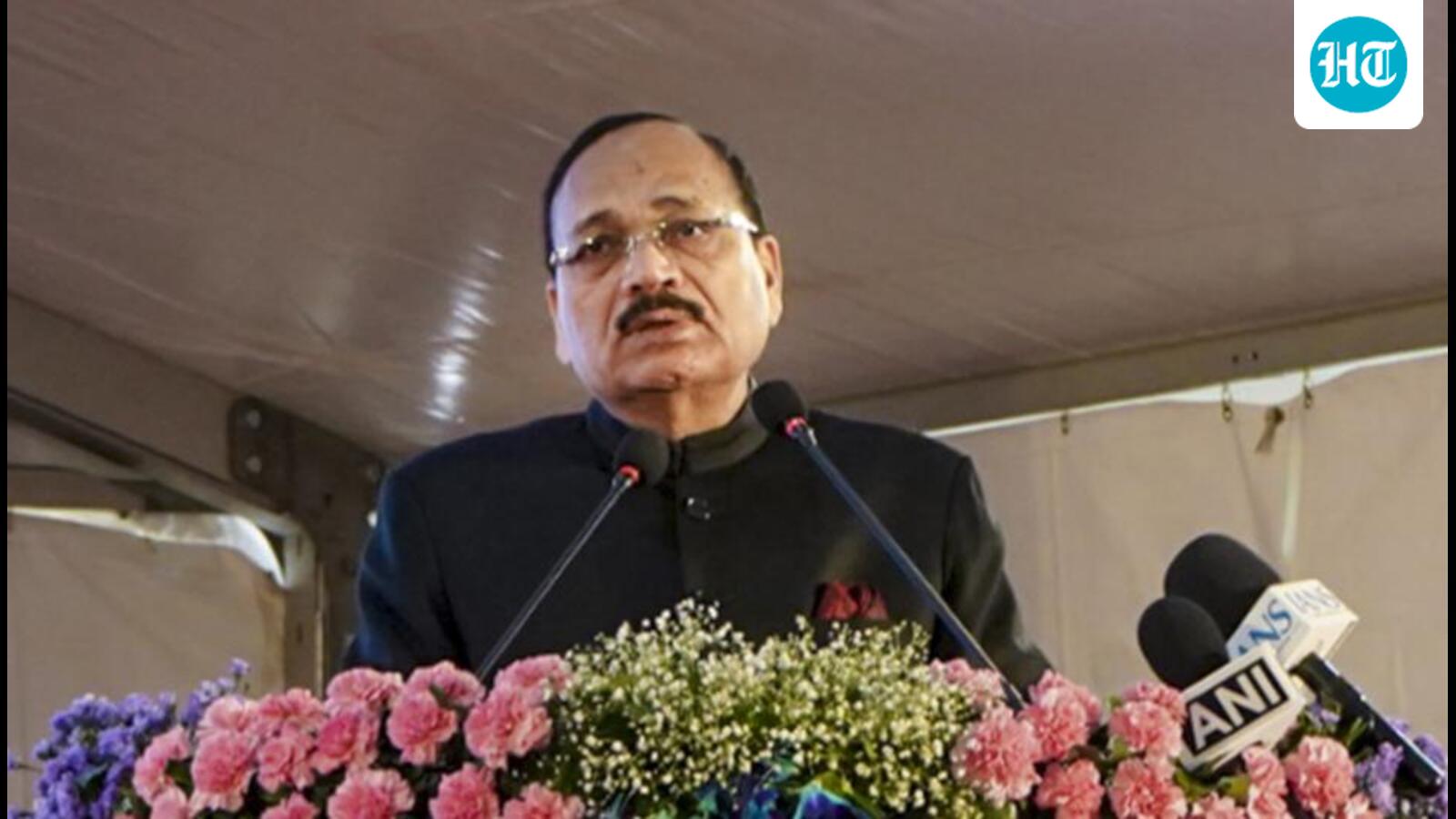
The Supreme Court’s new roster, issued under Chief Justice Surya Kant on Monday, broadens the range of subject categories assigned to benches. Effective 26 October, the roster marks a significant reshuffle from the July 13 notification, with several judges taking on additional case categories. The changes spread a wider mix of commercial disputes, taxation, education, family law, environmental issues, and other civil and criminal matters among judges, while retaining the existing system of assigning fresh cases by specified subject categories.
Notable adjustments include Justice MM Sundresh’s roster, which now covers company law, competition law, direct taxation, educational institutions, environmental law, insolvency and bankruptcy, land acquisition and land laws, among other subjects. These were not part of his July allocation, which covered civil and criminal law, family disputes, election matters, judiciary‑related cases, labour and industrial law, and service matters.
Justice Vikram Nath’s allocation also expands considerably. In addition to civil and criminal matters, educational institutions, election disputes, environmental law, family law and service matters, his new roster includes arbitration, aviation, banking, company law, compensation, competition law and consumer disputes.
Other judges see similar broadening. Justice Dipankar Datta now handles family law, habeas corpus and preventive detention, land acquisition, land laws and lotteries, betting and gambling, alongside a broad range of civil, criminal, commercial, taxation and service matters. Justice PS Narasimha’s roster includes bar councils, bar associations and advocates, family law, housing and municipal issues, judiciary‑related cases, arbitration, company law, taxation, education, environmental law, insolvency and intellectual property disputes.
Justice Prashant Kumar Mishra’s roster covers company law, competition law, consumer disputes, direct taxation, environmental law, insolvency, mining and land‑related matters, as well as criminal, service and other civil disputes. Justice Aravind Kumar’s allocation encompasses civil, commercial, regulatory and public‑law matters, including arbitration, banking, competition, consumer disputes, taxation, education, environmental law, insolvency, mining, religious endowments and service law.
Justice Sandeep Mehta, not listed in the July notification, has been assigned civil law, consumer disputes, criminal law, capital punishment cases, labour and industrial law, motor vehicle matters, rent control, service law and transfer petitions.
The roster allows multiple benches to handle broad categories such as civil law, criminal law, taxation and service matters, reflecting an administrative distribution of fresh cases rather than a strict specialisation system.
The new roster expands the allocation of habeas corpus and preventive detention matters from four benches under the July roster—headed by the CJI, Justices Vikram Nath, BV Nagarathna and MM Sundresh—to eight benches, adding Justices Dipankar Datta, Aravind Kumar, Prashant Kumar Mishra and KV Viswanathan. This wider distribution means these cases can now be listed before twice as many benches.
The October notification retains the CJI’s broader administrative framework for managing the court’s docket. Three‑judge benches headed by the CJI, Justice Vikram Nath and Justice BV Nagarathna will mainly handle three‑judge matters on non‑miscellaneous days—Tuesday, Wednesday and Thursday. Separate allocations continue for older cases: Justice Dipankar Datta’s bench will deal with the oldest regular‑hearing service matters on non‑miscellaneous days, while benches headed by Justices Prashant Kumar Mishra and SVN Bhatti will exclusively hear the oldest civil matters. The oldest criminal cases will be taken up by benches headed by Justices Manoj Misra and Ujjal Bhuyan. These dedicated arrangements aim to ensure long‑pending litigation receives sustained attention rather than competing indefinitely with newer filings.