Agriculture
Washington Oversaw 577 Enslaved Workers During His Lifetime
By Dan
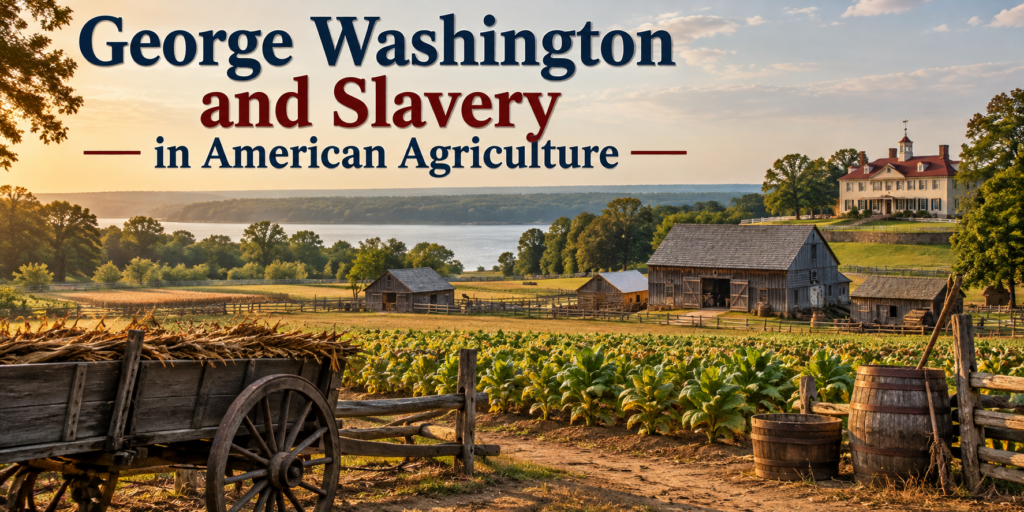
George Washington’s legacy in American agricultural history is closely tied to slavery. During his life he controlled more than 577 enslaved people who worked on his farms and in his household, including his Philadelphia residence. Washington was a prominent farmer whose operations relied heavily on enslaved labor, illustrating the significant role slavery played in the agricultural economy of his era. As president, he signed legislation that both curtailed and protected aspects of slavery. Washington’s will freed at least one enslaved man, William Lee, upon his death. The will also stipulated that the other enslaved people would continue working for his wife, Martha, during her lifetime and be freed after her death. Martha freed them during her own life, saying she wanted to remove any incentive for the enslaved to hasten her death in anticipation of freedom. Washington’s relationship with slavery remains a complex part of early American agricultural and social history, showing how prominent households addressed slavery and emancipation in the early republic.