
Indian stock markets experienced a sharp decline during trading, with the BSE Sensex falling more than 1,300 points and the Nifty dropping around 420 points. The steep fall reflected growing concerns among investors over multiple global and domestic factors affecting market sentiment.
One of the major reasons behind the decline was rising global tensions and geopolitical uncertainty, which pushed investors toward safer assets. Such developments often lead to increased volatility in equity markets.
Another significant factor was the surge in global crude oil prices. With oil prices crossing the $100 per barrel mark, investors grew concerned about the potential impact on inflation and India’s import bill. Higher oil prices can also put pressure on corporate earnings and economic growth.
Weak global market trends also contributed to the decline. Major international markets showed signs of caution, influencing trading behaviour in Indian equities. When global markets turn negative, domestic investors often respond similarly.
Profit booking by investors after previous market gains also played a role in the sudden drop. Market analysts noted that some traders chose to lock in profits amid uncertainty, which increased selling pressure across sectors.
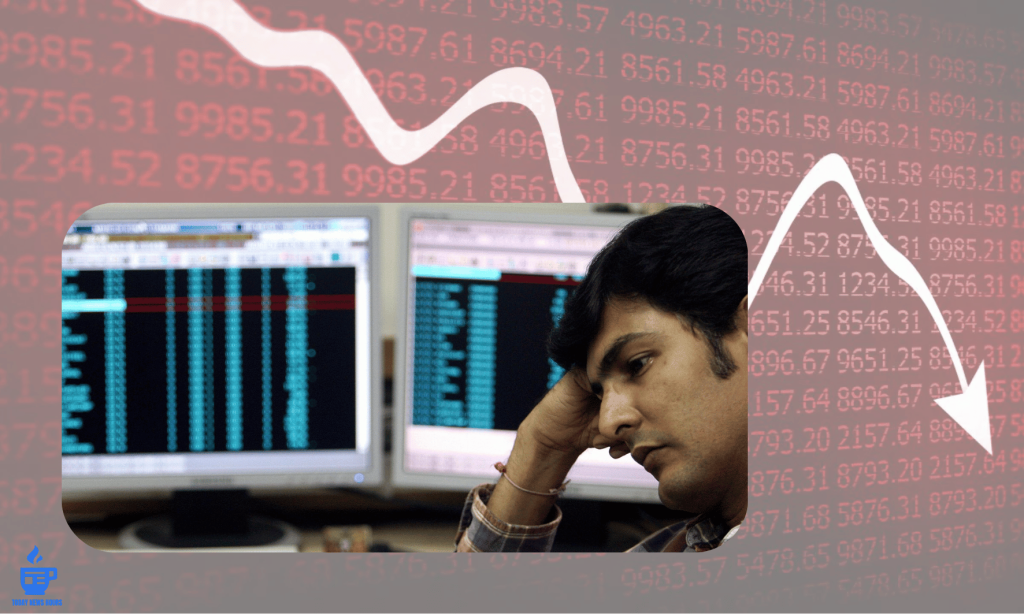
Banking, IT, and auto stocks were among the sectors that witnessed noticeable declines during the session. Large-cap stocks also came under pressure, pulling the benchmark indices lower.
Despite the sharp fall, experts say that market fluctuations are common during periods of global uncertainty. Investors are expected to closely monitor developments in energy markets, geopolitical situations, and economic indicators in the coming days.

