
A recent earthquake in Iran has led to growing speculation about the possibility of a nuclear test, with analysts and governments worldwide raising concerns. The tremor, which struck a region near known military facilities, has prompted questions regarding Iran’s nuclear activities, especially as the country continues to face heightened tensions in the ongoing regional conflict.
While official reports have confirmed the earthquake’s natural origin, the timing and location have fueled further speculation, particularly regarding Iran’s nuclear ambitions. The U.S. government, along with international monitoring agencies, is keeping a close eye on the situation, given the potential implications it could have on international security and non-proliferation efforts.
Geopolitical observers have noted that any signs of nuclear testing would significantly escalate existing tensions, potentially leading to more sanctions or diplomatic actions. Iran’s nuclear program has long been a point of contention with the West, and any indication of nuclear weapons development would likely trigger a response from global powers.
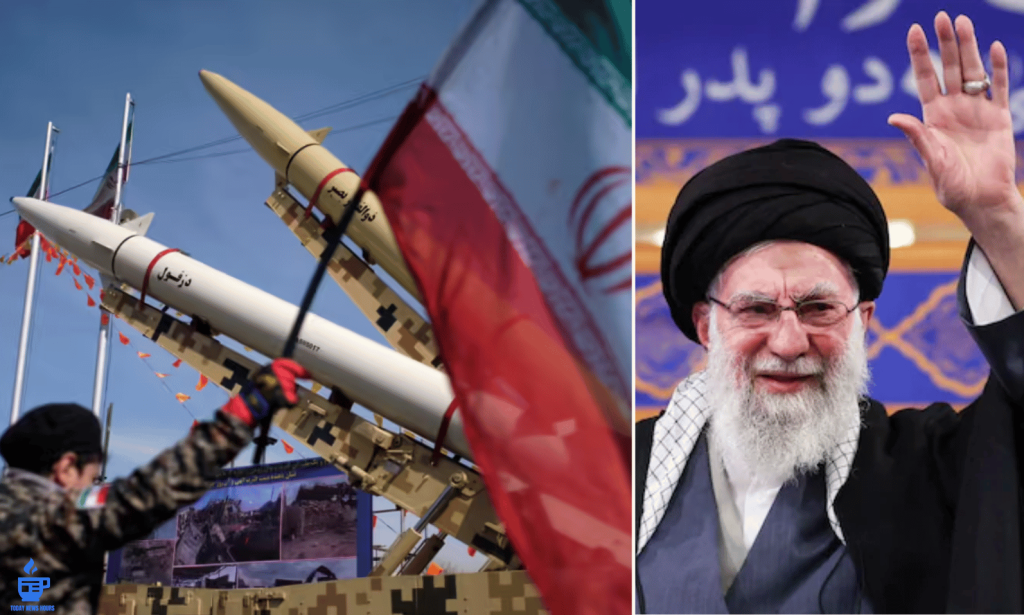
Experts suggest that while the earthquake could be purely seismic, the proximity to sensitive military installations and the ongoing conflict in the region has amplified concerns. The U.S. and its allies have historically been wary of Iran’s nuclear ambitions, and any indication of further escalation could have significant geopolitical consequences.
As investigations into the earthquake continue, global leaders are bracing for any developments that may indicate a shift in Iran’s stance on nuclear testing, with many calling for continued monitoring and transparency.

