Politics
Eisenkot Faces Tough Choices Amid Power‑Sharing Talks with Netanyahu
By Nour Odeh
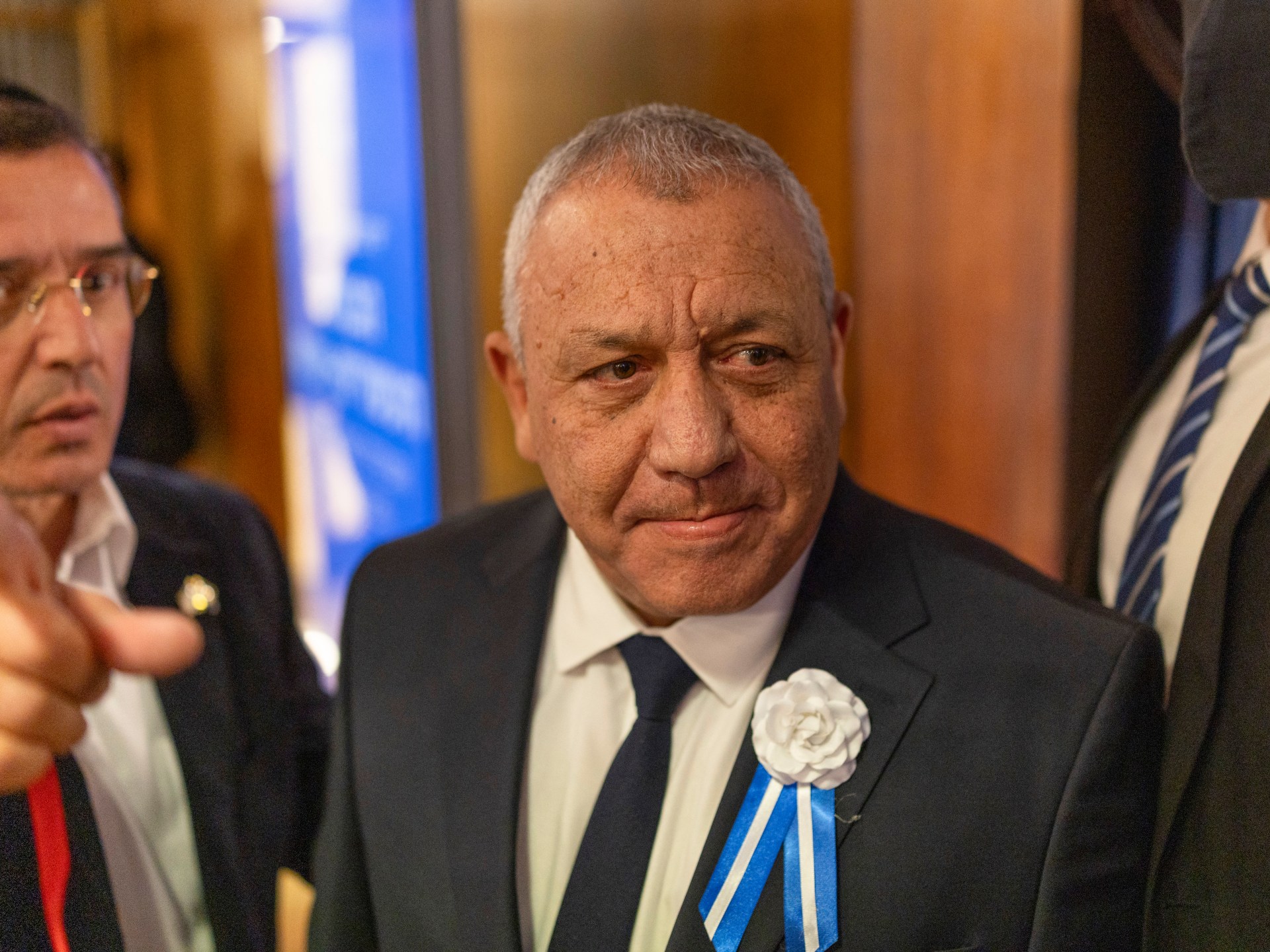
After the 2026 Israeli elections, which were described as the most consequential in recent decades, Gadi Eisenkot, leader of the anti‑Netanyahu “change bloc,” was tasked with forming the next government. His bloc does not hold enough seats in the Knesset to secure a confidence vote alone. The United Arab List and the Joint List, parties led by Palestinian citizens of Israel, hold 19 seats and have offered to support Eisenkot in replacing Netanyahu. However, some members of the change bloc, such as Avigdor Lieberman, have pledged not to back any coalition that includes an Arab‑led party or relies on votes from Palestinian citizens, a stance that contradicts Lieberman’s own position as chair of the Knesset’s Foreign Affairs and Defense Committee.
In the limited space for political manoeuvres, Eisenkot has been negotiating with potential partners while also attempting to open dialogue with ultra‑Orthodox parties, particularly United Torah Judaism. Meanwhile, former Prime Minister Naftali Bennett has pursued a unity government with Netanyahu’s Likud party and succeeded in convincing Eisenkot’s Yashar party to enter formal talks with Likud. The prospect of abandoning the change bloc’s central promise to oust Netanyahu looms large over these negotiations.
Bennett and others argue that a unity government is necessary due to the lack of a clear Zionist majority against Netanyahu. Yair Golan, leader of the Democrats group, has publicly opposed any unity formula with Netanyahu and criticized Bennett’s efforts. The Yashar‑Likud talks are complex and have been marked by accusations from both sides. Netanyahu accuses the change bloc of undermining Israel by working with Arab‑led parties, which he has referred to as “the enemy.” Eisenkot has responded by saying that Netanyahu endangers Israel’s security and is willing to ignite war for personal gain.
From Likud’s perspective, a unity government would require a rotation agreement on the premiership, meaning that either Netanyahu would remain prime minister for two years or Eisenkot would serve as the second in the rotation. This scenario gained traction after judges overseeing Netanyahu’s corruption trials recommended dropping the most serious bribery charge and reconsidering or reaching plea bargains on other charges, strengthening Netanyahu’s negotiating position and prompting him to call for an end to the political boycott against him.
If Eisenkot fails to form a government, voters may be forced to return to the polls with Netanyahu still in office, potentially eroding support for the change bloc and ending the political careers of some leaders, including Eisenkot. Choosing unity with Netanyahu would also damage Eisenkot’s credibility among supporters. Many point to the 2020 coalition agreement between Netanyahu and Benny Gantz, which included a rotating premiership; that government collapsed before Gantz could assume the role, and Gantz’s political career never recovered.
Forming a unity government with Netanyahu would represent a reversal of the change bloc’s election promises on issues such as transparency, judicial reform, and the influence of religion on the state, because Netanyahu’s allies are already embedded in the state bureaucracy and can entrench these policies. It would also reflect the broader structural problem in Israel, according to sociologist Honaida Ghanem, who notes that anti‑Arab sentiment is one of the few policies most Jewish Israelis can agree on, while they disagree on the nature of the state, the influence of religion, and other fundamental issues of identity and governance. The prospect of a unity government remains possible but unlikely, given the personal and political risks for the change bloc leaders.
Frequently asked questions
Which parties have offered to support Eisenkot in forming a government?
The United Arab List and the Joint List, parties led by Palestinian citizens of Israel, hold 19 seats and have offered to support Eisenkot in replacing Netanyahu.
What stance has Avigdor Lieberman taken regarding coalition partners?
Lieberman has pledged not to back any coalition that includes an Arab‑led party or relies on votes from Palestinian citizens, contradicting his role as chair of the Knesset’s Foreign Affairs and Defense Committee.
What would a unity government with Likud entail for the premiership?
It would require a rotation agreement, meaning either Netanyahu would remain prime minister for two years or Eisenkot would serve as the second in the rotation.