Politics
CJP Leader Warns Parties Against Shifting Stance Ahead of Parliament Session on Delimitation
By Swati Gandhi
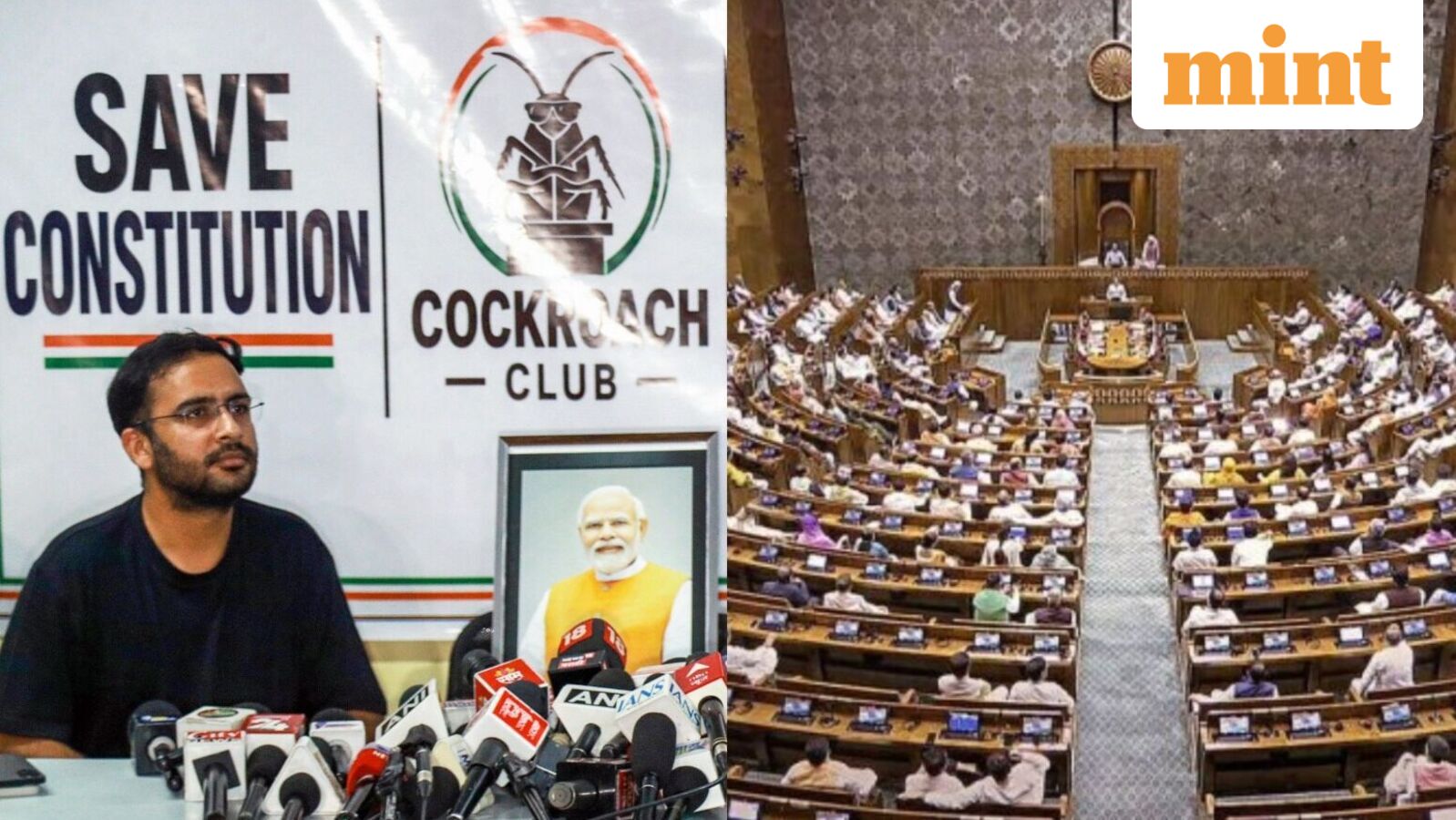
Cockroach Janata Party (CJP) leader Ashutosh Ranka warned political parties not to change their position on the proposed delimitation exercise before a special Parliament session that will begin on November 30. In a social media post, Ranka said the nation would closely watch the proceedings and accused the Centre of using the women’s reservation bill as a cover to manipulate electoral boundaries and disproportionately increase seats in states that have lagged in population control. He added that while the BJP has been clear on both issues, parties and politicians who switch sides may have been paid off or lost their principles, and that betrayal of the people’s mandate would not be forgiven. Ranka maintained that the women’s reservation issue deserves support across parties but alleged that the government is using the legislation as a pretext to push the Delimitation Bill, according to ANI. The remarks come amid growing debate over the delimitation exercise and the implementation of the women’s reservation law ahead of the reconvened Parliament session. On Thursday, the Lok Sabha Secretariat announced that the second part of the Eighth Session of the 18th Lok Sabha would begin on November 30 and is expected to conclude on December 3, subject to government business. Minister for Parliamentary Affairs Kiren Rijiju said the Centre had requested the Lok Sabha Speaker and the Rajya Sabha Chairman to reconvene the Lower House on November 30 and the Upper House on December 2 to take up key government business. The announcement has fueled speculation that the Delimitation Bill and the Women’s Reservation Bill may be taken up during the sittings, although the government has not clarified which bills will be considered. Parliament last convened during the Monsoon Session, which ended on August 13, with both Houses adjourned sine die. The proposed Delimitation Bill seeks to increase the total strength of the Lok Sabha to 850 seats. The ruling National Democratic Alliance (NDA), led by the Bharatiya Janata Party (BJP), says the exercise is a constitutional necessity to reflect new census data and facilitate the implementation of 33% reservation for women in the Lok Sabha. The INDIA bloc, led by the Congress, demands immediate implementation of the women’s reservation law and opposes linking it to delimitation. The Constitution (131st Amendment) Bill, 2026, was first introduced in the Lok Sabha on April 16. It seeks to increase the strength of the Lower House to 850 seats and facilitate the implementation of the Women’s Reservation Bill passed in 2023. However, the Bill failed to secure the constitutionally required special two‑thirds majority of members present and voting in Parliament and was consequently not passed. (with ANI inputs)