Politics
Cabinet to Approve Delimitation and Women’s Reservation Bills Amid Parliamentary Numbers Crunch
By Harsh Yadav
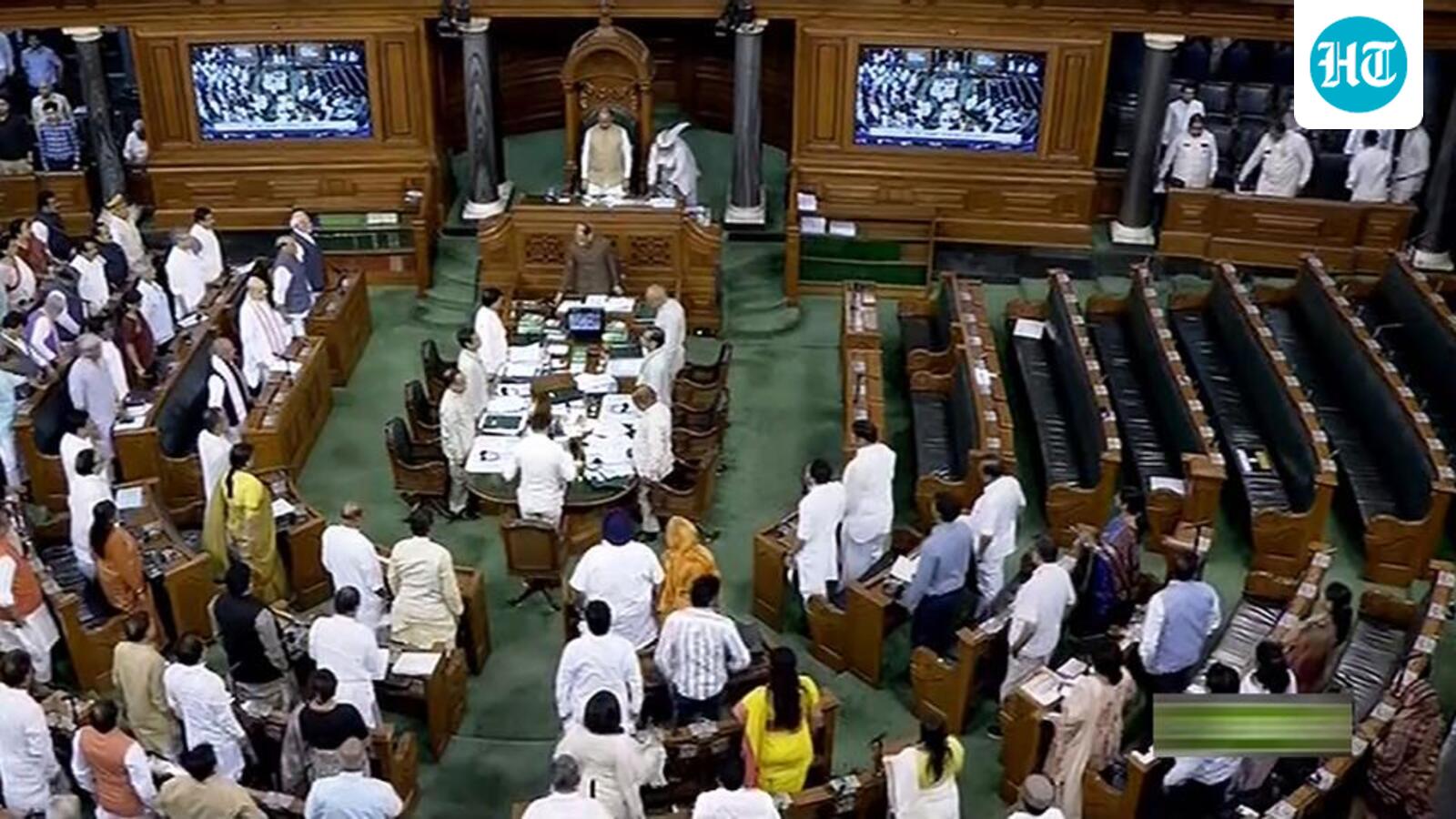
The Union Cabinet is expected to meet on Friday to approve the Constitution (131st Amendment) Bill and the Delimitation Bill, which aim to redraw India’s political map and introduce a 33% reservation for women in the Lok Sabha and state assemblies before the 2029 election. The amendment would increase the Lok Sabha from 550 to 850 seats, allocating up to 815 seats to states and 35 to Union Territories, while the Rajya Sabha ceiling remains 250. The Delimitation Bill would base the exercise on the latest census, effectively the 2011 census, and would be headed by a Supreme Court judge with the Chief Election Commissioner or a nominee and the state election commissioner as members.
Southern states have objected to a purely population‑based allocation, arguing that their slower population growth would reduce their parliamentary weight. A “flat 50%” formula, which would raise every state’s seats by half while preserving current proportions, was discussed in April but was not included in the bill. The government is now considering increasing seats by up to 50% in every state while keeping inter‑state proportions based on the 1971 census, though no final decision has been made.
The amendment bill failed in April, receiving 298 votes in favour and 230 against, 54 short of the 352 votes required. Since then, the Lok Sabha composition has changed: 20 of Trinamool Congress (TMC) MPs merged with the Nationalist Citizens Party of India, and six Shiv Sena (UBT) MPs merged with the Eknath Shinde‑led Shiv Sena. The NDA now has about 320 members in the 540‑member house, needing 360 votes for passage. The NDA is roughly 40 votes short on its own. The Nationalist Congress Party (NCP) with eight members could bring the total to about 328 if it supports the bill, but its leader has said the party will consider backing it only if a flat 50% increase is guaranteed for all states. The DMK, which has 22 members, left the opposition bloc in May and may support the bill after reviewing the draft and receiving assurances on its demands.
Even with the DMK, the NDA would reach only about 350 votes, still about 10 short. Additional support would be needed from 15 other members outside both alliances, including the Yuvajana Sramika Rythu Congress Party (YSRCP), Aam Aadmi Party (AAP), and several smaller parties. Attendance will be critical, as the two‑thirds rule counts only those present.
The fate of the 20 TMC MPs who merged with the Nationalist Citizens Party is also pivotal. Abhishek Banerjee has asked the Speaker to disqualify them under the anti‑defection law, but the rebels claim their merger is protected. All 20 have sent replies to the Speaker, and the Supreme Court is hearing Banerjee’s plea for a decision within a fixed time. Until the Speaker decides, the 20 MPs can vote on the bill.
In the Rajya Sabha, seven AAP members merged with the BJP in April, bringing the BJP’s strength to 113. The NDA holds 141 seats in the 245‑member house, 20 short of the 163 needed. The bill would also require ratification by at least half of the state legislatures under Article 368.
The opposition, led by Congress, supports women’s reservation but demands keeping the Lok Sabha at 543 seats, maintaining current state allocations, reserving 182 seats for women, and freezing the arrangement for 25 years. Rahul Gandhi has called the amendment an attempt to seize power through delimitation.
Prime Minister Narendra Modi and Home Minister Amit Shah have expressed confidence that the government has the numbers to pass the bills. If the bills fail, the 2029 Lok Sabha election may not be held under the new boundaries, delaying both the expansion and the women’s quota.
Frequently asked questions
What changes does the 131st Amendment Bill propose for the Lok Sabha?
It would increase the Lok Sabha from 550 to 850 seats, allocating up to 815 seats to states and 35 to Union Territories, while keeping the Rajya Sabha ceiling at 250.
How many seats will be reserved for women under the new bill?
The bill introduces a 33% reservation for women in the Lok Sabha and state assemblies.
What is the current vote requirement for the NDA to pass the amendment?
The NDA has about 320 members in the 540‑member house and needs 360 votes for passage, making it roughly 40 votes short on its own.