World
UK Imposes Sanctions on Yemen’s Houthis Over Escalating Attacks on Saudi Arabia
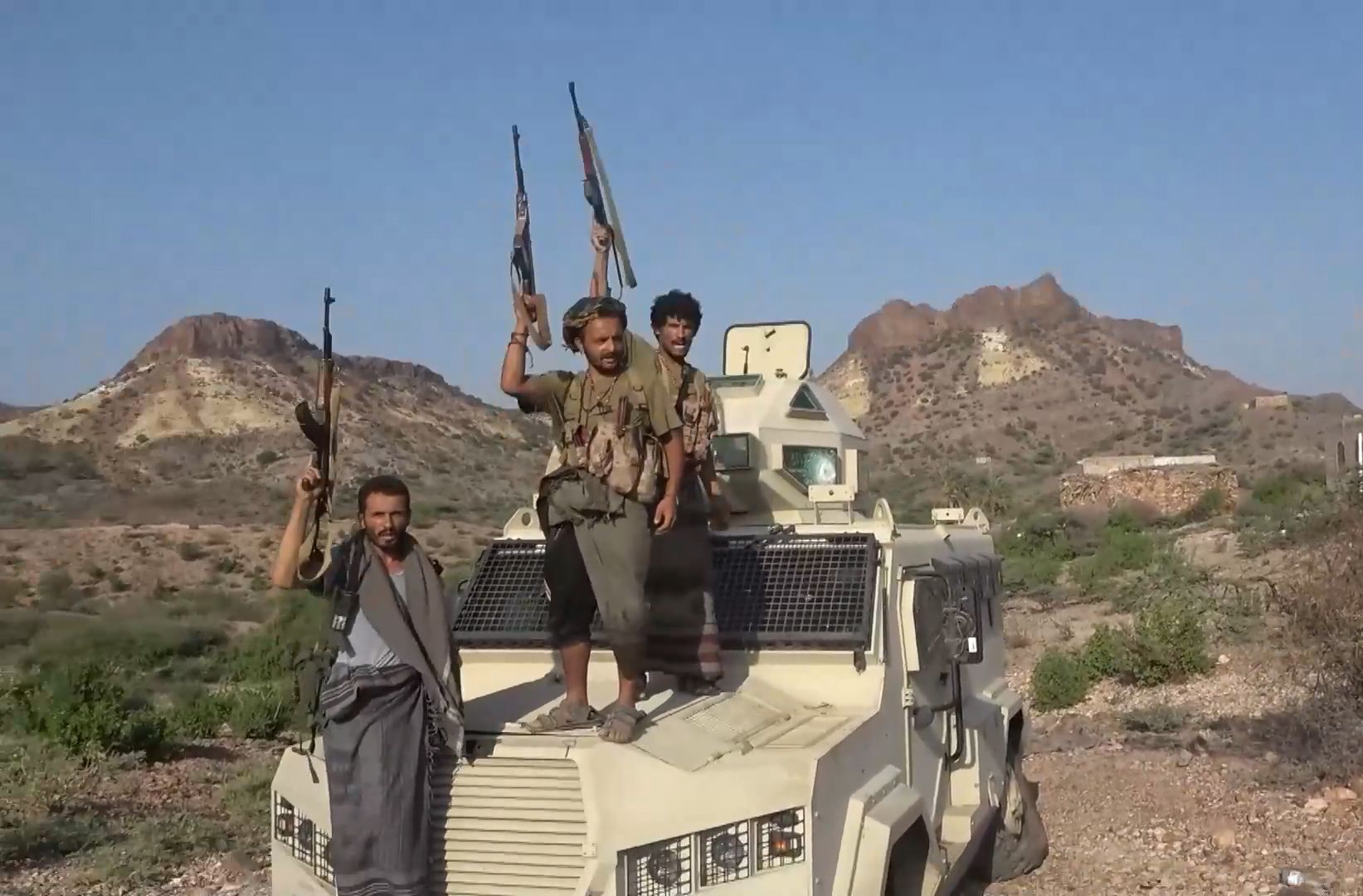
The United Kingdom announced sanctions on Yemen’s Houthi movement and four senior leaders on Tuesday, accusing the Iran‑backed group of renewed aggression within Yemen and attacks on civilian infrastructure in Saudi Arabia. The sanctions include asset freezes and travel bans on the group and its leaders, including Interior Minister Abdulkarim Amir al‑Din Hussein al‑Houthi, Security and Intelligence chief Abdul Hakim Hashem Ali al‑Khaiwani and chief prosecutor Sarim al‑Din Mufadal, who has been accused of sexual violence, rape and torture.
The move follows a surge in Houthi attacks on Saudi Arabia, including strikes on the financial district in Riyadh this week. The Houthis have also captured the Red Sea port of Mocha and the island of Mayyun, extending their control over the Red Sea and undermining the Saudi‑backed Yemeni government. The conflict began when the Houthis seized the capital, Sanaa, in late 2014, forcing President Abd Rabbu Mansour Hadi to flee. Saudi Arabia intervened to support the Hadi government, viewing the Houthi rise as a security threat.
Foreign Secretary Ed Miliband said the sanctions send a clear message that the UK will act in support of British values and interests. He linked the measures to Houthi attacks on shipping in the Bab al‑Mandeb strait, one of the world’s busiest maritime lanes, and noted that the UK has naval and logistics bases in Bahrain and Oman.
The sanctions come after the UK and the United States jointly sanctioned Houthi figures in January 2024 over attacks on Red Sea shipping, and after the UK joined the US in air strikes on Houthi positions. The United Nations Security Council, led by the UK, renewed its Yemen sanctions regime until November 2027.
Analysts say the sanctions are largely symbolic, as the targeted leaders are unlikely to travel to the UK or hold assets there. The Houthis’ income comes mainly from black‑market trade, smuggling, taxation of local businesses and control of ports, none of which a UK asset freeze touches. The missile and drone programme has continued despite years of UN, US, EU and UK listings.
Some experts argue that while individual sanctions may have limited effect, collective action by multiple countries can matter. Saudi Arabia has urged other nations to list the Houthis as a terrorist entity to strengthen its campaign against the group.
Humanitarian concerns were raised by Human Rights Watch researcher Niku Jafarnia, who warned that sanctions could impact aid organisations working in Houthi‑held areas. She noted that the UK’s sanctions include a humanitarian exception covering aid and other activities that meet basic human needs.
The UK has not proscribed the Houthis under anti‑terrorism laws, unlike the US, Canada and Australia, which have designated the group as a terrorist organisation. The Houthis deny diverting humanitarian aid, but critics say their tactics, including the use of detainees as bargaining chips, undermine the possibility of a political settlement to the war.
Frequently asked questions
Which Houthi leaders were targeted by the UK sanctions?
Interior Minister Abdulkarim Amir al‑Din Hussein al‑Houthi, Security and Intelligence chief Abdul Hakim Hashem Ali al‑Khaiwani, and chief prosecutor Sarim al‑Din Mufadal.
What actions did the UK take as part of the sanctions?
The UK imposed asset freezes and travel bans on the Houthi movement and the four senior leaders.