World
Iraq Rejects Claims of Army Movements into Kurdish Region
By Anadolu
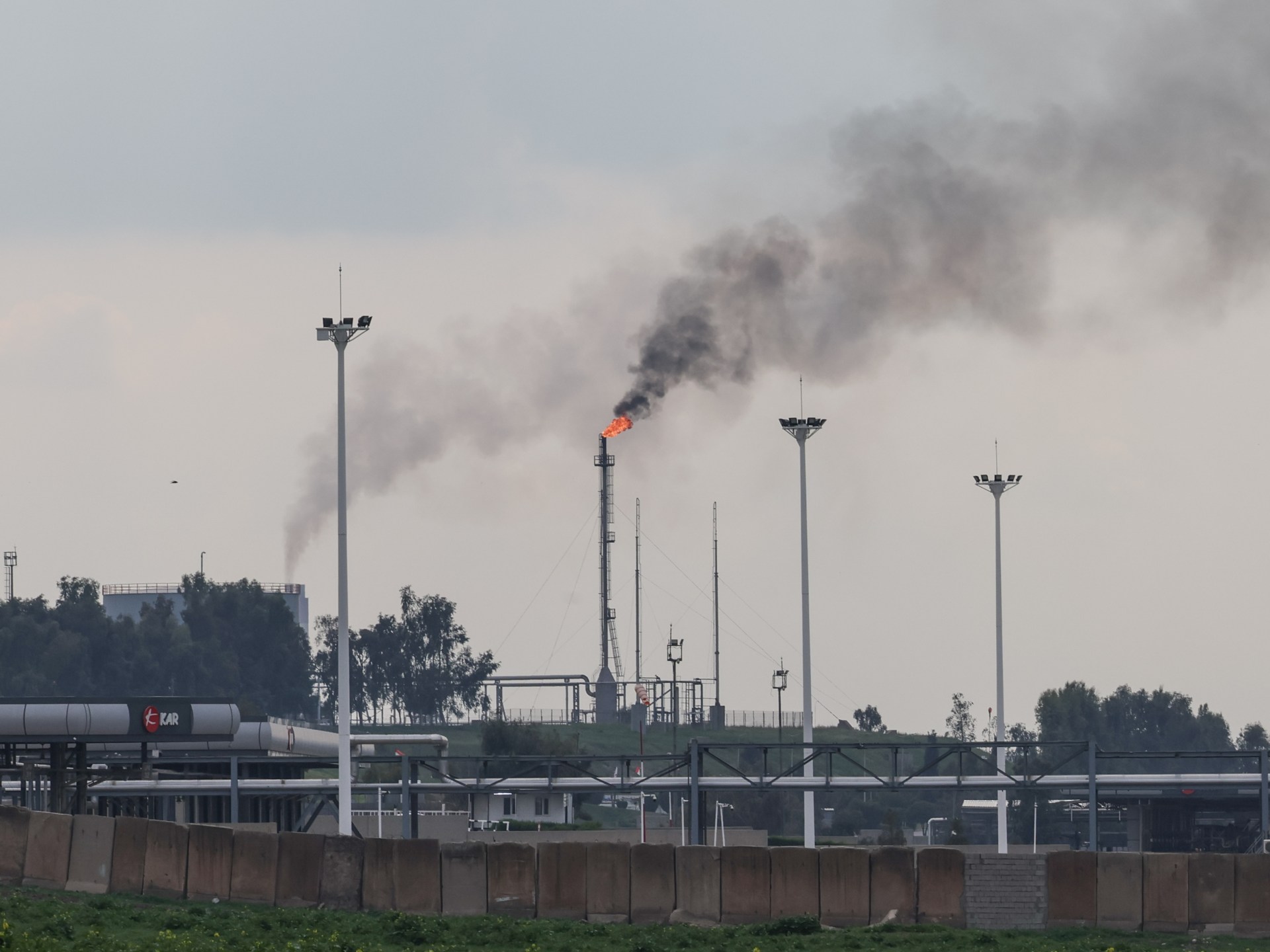
Iraq’s government has denied local media reports that Iraqi army units were moving toward the Kurdistan region. Government spokesperson Haidar al‑Aboudi told state broadcaster Al‑Iraqiya on Wednesday that the reports were false. He said oil smugglers were diverting “tens of billions” into private accounts and that the salaries of Kurdistan’s public employees were unrelated to the dispute.
Prime Minister Ali al‑Zaidi said national sovereignty is indivisible and that protecting Iraq’s wealth is a “battle for existence,” vowing to end all forms of smuggling. He ordered the Border Ports Authority to take control of all crossings in the Kurdistan region and to shut unofficial crossings. He also directed federal authorities to take over oil fields in Kirkuk, Nineveh, Salahuddin and Diyala that are under Kurdish security control.
Iraq’s Federal Supreme Court issued an interpretive ruling affirming federal powers to secure international borders and deploy armed forces across all Iraqi territory. The ruling also confirmed Baghdad’s right to oversee border crossings, oil and gas production and export, and both oil and non‑oil revenues.
Border Forces Commander Mohammed Abdul Wahab Sukkar al‑Saidi told the state‑run Iraqi News Agency on Thursday that the command had begun implementing the commander‑in‑chief’s directive to close all unofficial crossings with neighbouring countries, though he did not specify how many would be affected.
The Kurdistan Regional Government’s council of ministers, chaired by Prime Minister Masrour Barzani, rejected any attempt to return Iraq to a centralised system. Kurdistan Region President Nechirvan Barzani said addressing the region in “military language” does not solve any problem.
Thousands gathered in Erbil on Thursday to protest the government’s plan to take over border crossings and oil operations. Al Jazeera’s Mahmoud Abdel Wahed reported that protesters said the plan “touches on their sovereignty and territorial integrity” and undermines the constitutional rights of the Kurdish people. They questioned whether Baghdad could resolve the issue peacefully without sparking a new conflict.
Baghdad estimates that 200,000 to 230,000 barrels of oil a day are being smuggled, worth about $200 million a month, according to Al Jazeera correspondent Suhaib al‑Asa. Salim Zakhour, a constitutional law researcher, told Al Jazeera that the ruling, issued within 24 hours at al‑Zaidi’s request, gave Baghdad a legal basis to act. He said the court’s decision is final but noted the issue is also political.
The country’s four presidencies have agreed to hold a national dialogue on December 1 to resolve the crisis. The orders followed an investigation into smuggling at the state‑run North Oil Company, after which al‑Zaidi dismissed eight officials, including Kirkuk’s police chief and operations commander.