India
Muslim Clerics Apologize After Vande Mataram Played at Waqf Board Event
By Naseer Ganai
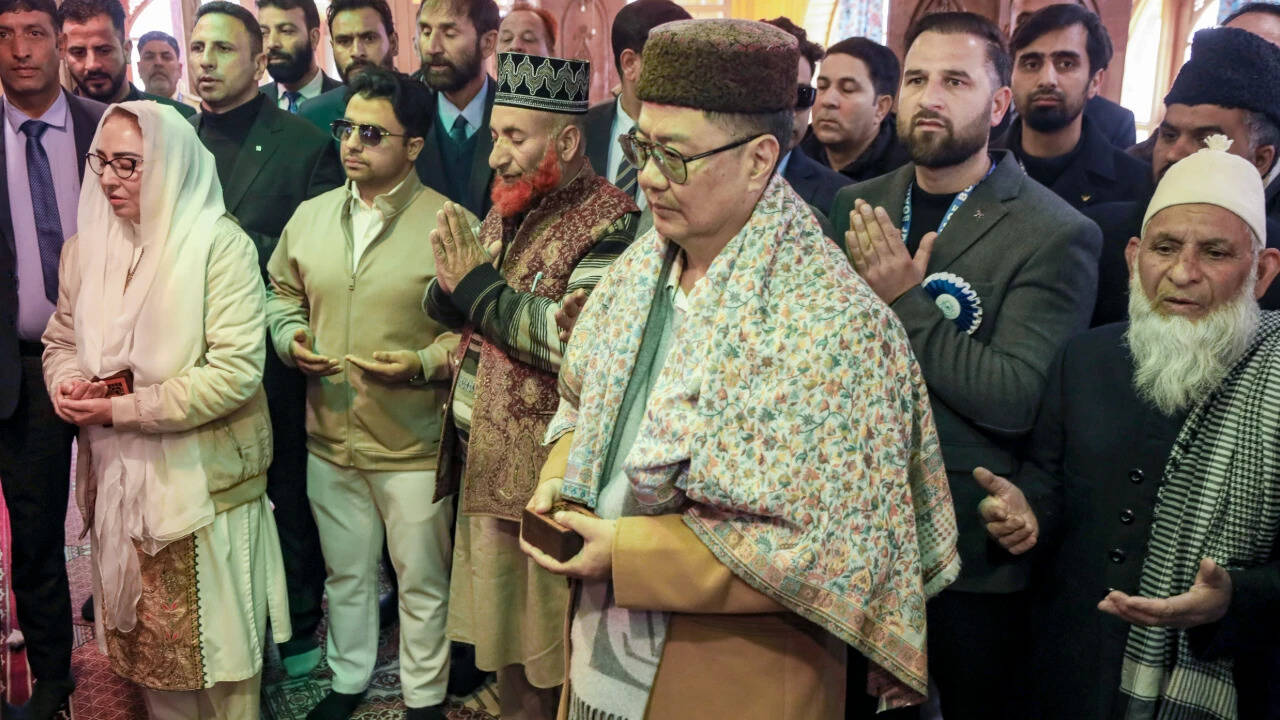
At a Waqf Board function in Srinagar on Monday, all six stanzas of Bankim Chandra Chattopadhyay’s 1875 poem Vande Mataram were played in full, following a Union Home Ministry directive that requires the full version at state functions, official events and legislature sessions. The event was attended by Union minority affairs minister Kiren Rijiju, waqf board chairperson and senior BJP politician Dr Darakhshan Andrabi, Lok Sabha MP Mian Altaf Ahmad and other dignitaries.
Several Muslim clerics who attended the gathering expressed regret, saying they had not endorsed the song in their hearts or words. "Since we attended the gathering, if our participation has hurt anyone’s religious sentiments, we sincerely repent before Allah and pray that He accepts our repentance," they said in a statement released on Wednesday.
The clerics, who were part of the Mirwaiz Umar Farooq‑led Mutahida Majlis‑e‑Ulama (MMU), a coalition of religious organisations, said there was no legal obligation to play Vande Mataram at an official function and criticised the waqf board for doing so at an event organised by an institution entrusted with safeguarding Muslim religious endowments. MMU argued that playing the poem conflicted with Islam’s principle of Tawheed, or absolute oneness of Allah, and that any expression attributing divinity to the motherland is contrary to fundamental Islamic belief.
In August, the President cleared the Prevention of Insults to National Honour (Amendment) Act, placing Vande Mataram on a par with the national anthem. The amendment did not change the stanzas but made disrespect or disruption punishable. The poem had been abridged in 1937 when the Congress Working Committee approved only its first two stanzas to respect religious diversity.
Andrabi was not available for comment.
Frequently asked questions
Why was Vande Mataram played in full at the Waqf Board event?
Because a Union Home Ministry directive requires the full version at state functions, official events, and legislature sessions.
What did the Muslim clerics say about playing Vande Mataram?
They apologized, saying they had not endorsed the song, and argued there was no legal obligation to play it and that it conflicted with Islam’s principle of Tawheed.
What did the Prevention of Insults to National Honour (Amendment) Act do regarding Vande Mataram?
It placed Vande Mataram on a par with the national anthem, making disrespect or disruption punishable, though it did not change the stanzas.