India
Telangana Women’s Commission Calls for Special Probe into Illegal Egg‑Harvesting Scheme
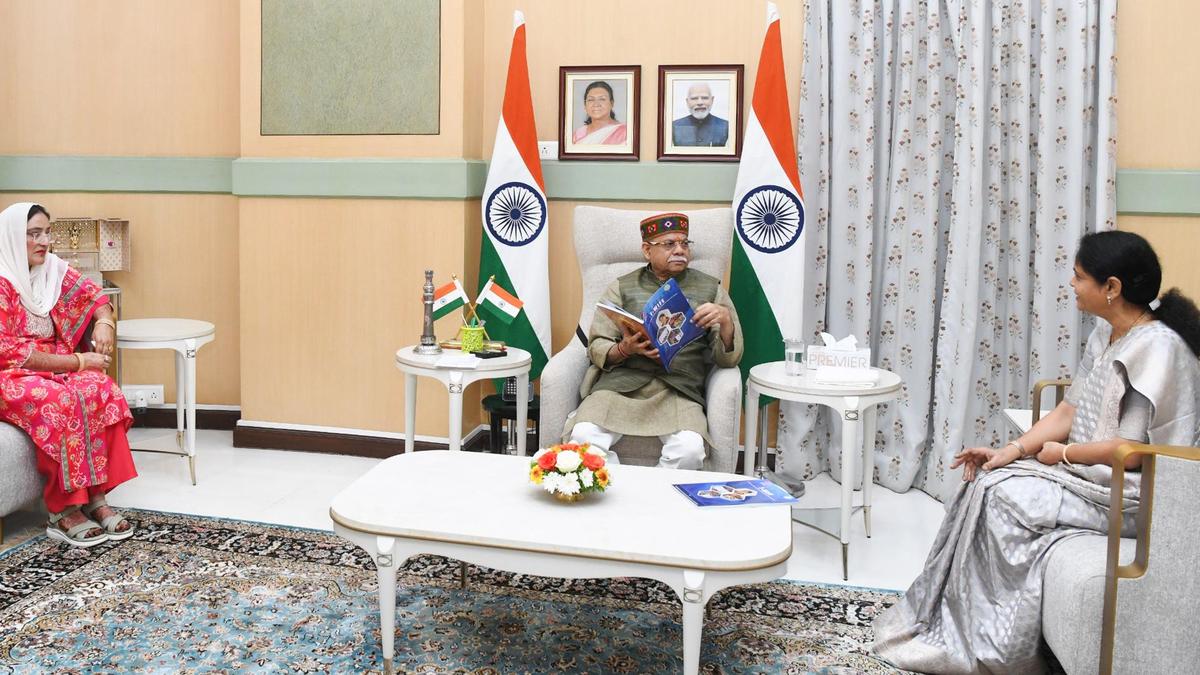
The Telangana State Women’s Commission has asked Governor Shiv Pratap Shukla to recommend a special investigation into the illegal oocyte (egg) collection racket that was uncovered in Hyderabad a few weeks ago. The Commission’s Chairperson, Nerella Sharada, and Member Uzma Shakeer met the Governor at Lok Bhavan on Wednesday, November 25, 2026, to brief him on the scheme, which allegedly exploited poor and middle‑class women. In October, the Malkajgiri Commissionerate Police reported that they had busted an illegal human egg harvesting racket, arresting eight people and rescuing 43 women from Uttar Pradesh, West Bengal, Maharashtra and other states from four premises in Hyderabad. Ms. Sharada presented the Governor with the findings of the Commission’s inquiry, information from officials, police investigations and legal developments. She explained that women from various states were reportedly brought to Hyderabad under the pretext of employment and then lured into illegal oocyte retrieval, taking advantage of their financial vulnerabilities. Given the inter‑state nature and broader implications of the racket, the Commission urged a special investigation. It also highlighted loopholes in the Assisted Reproductive Technology (ART) Act and called for amendments to strengthen the law and better protect women’s rights, health and safety. The Governor responded positively to the Commission’s representations and requested detailed information on the matter, according to a press note. The Commission has previously issued notices to eight ART centres and egg banks over suspected irregularities. About ten days ago, the police requested documents from 14 fertility centres, including consent forms and electronic records related to egg donation procedures, to determine how many women were approached, how often they underwent the procedure and whether proper consent was obtained.