World
US Sanctions on Hezbollah‑Linked Charity Likely Have Limited Effect
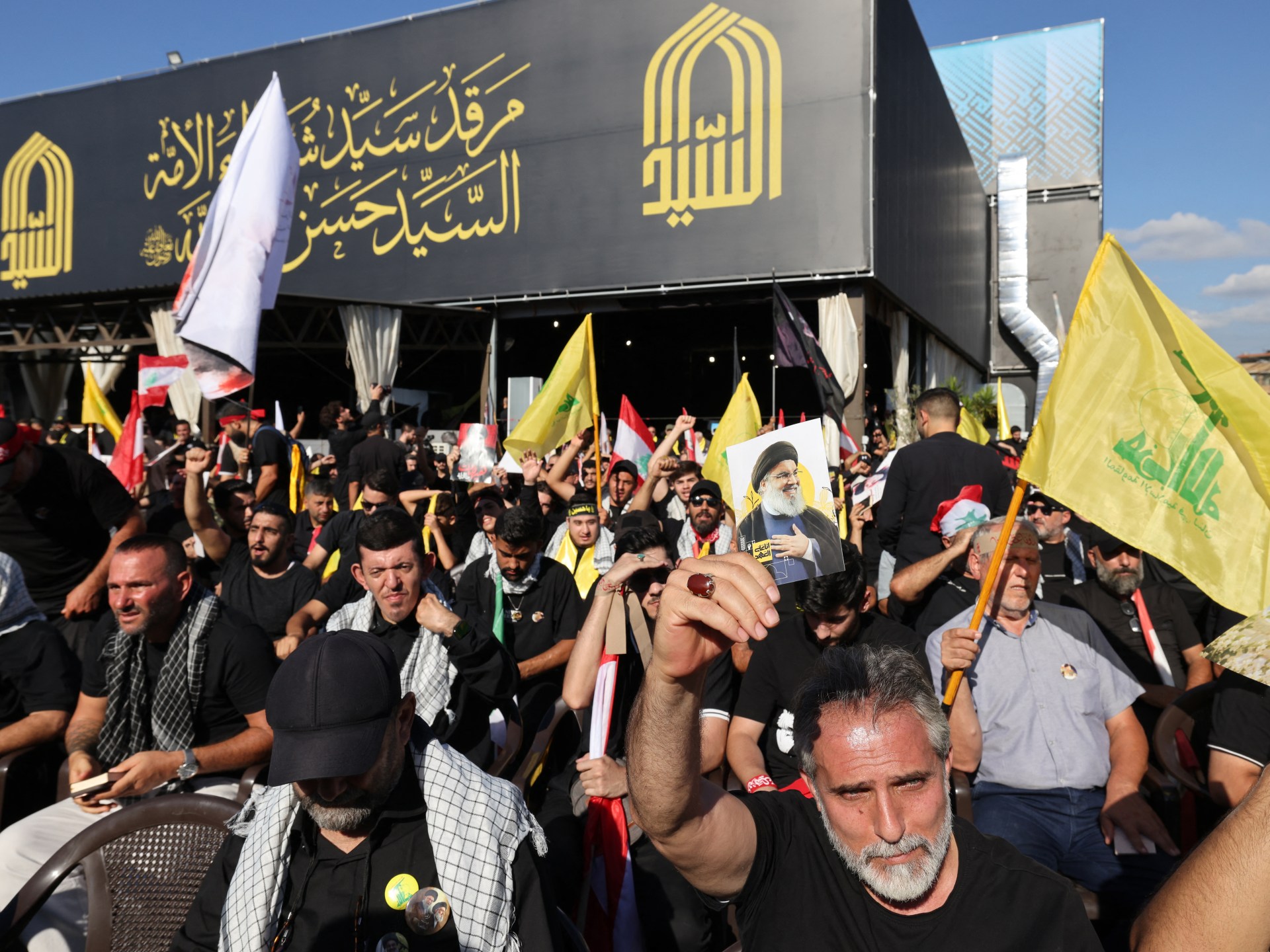
The United States announced new sanctions on Wa Ta’awanu Association, a charity linked to the Iranian‑backed Lebanese group Hezbollah, on November 18. Treasury officials said the organization is a “front organization” for Hezbollah and that the sanctions aim to disrupt the group’s financing networks. Analysts told Al Jazeera that the measures are unlikely to weaken Hezbollah significantly and may instead harm ordinary Lebanese citizens.
Qassem Kassir, a Lebanese journalist close to Hezbollah, said the threat of sanctions on political, judicial and security figures would not change Lebanon’s reality. He added that the charity does provide assistance to needy Lebanese people and that sanctions would not stop its work.
Ali Hamade, a journalist with Annahar, suggested that Washington may issue additional sanctions rounds targeting bankers, businessmen, real‑estate figures and contractors linked to Hezbollah. He said politicians, security personnel, judges and public administrators were unlikely to face sanctions yet.
Hezbollah, a Shia‑dominated movement that emerged during the Lebanese civil war, is believed to receive direct financing from Tehran and operate its own financial networks. Other Hezbollah‑affiliated entities, such as Al Qard Al Hassan and Jihad Al‑Binaa, have also been sanctioned.
Israel, backed by the United States, has continued to attack what it says are Hezbollah targets in Lebanon and holds territory up to 10 km into Lebanese territory. Israel has tied its withdrawal from Lebanon to Hezbollah’s full disarmament. A Framework Agreement signed in June established pilot zones where Israeli troops would withdraw and the Lebanese army would deploy to disarm Hezbollah, but the program has seen little success.
David Wood of the International Crisis Group said sanctions are one of several pressures Washington can apply to Hezbollah’s financial networks, but he warned that the effect may be limited. He noted that sanctions raise the cost of doing business with Hezbollah but may not reach affiliates already operating outside traditional financial systems.
Karim Safieddine of the Tahrir Institute for Middle East Policy argued that U.S. sanctions are politically driven and reflect its strategic partnership with Israel. He said partisan sanctions can deepen divisions in Lebanon and have repercussions for ordinary people, especially those in the Shia community.
The U.S. pressure campaign continues to affect Lebanese citizens who do not support or oppose Hezbollah, according to Safieddine, who noted the difficulty of separating the group from the broader Shia community. The sanctions are not based on human‑rights criteria, he added.
Frequently asked questions
Which charity was targeted by U.S. sanctions?
Wa Ta’awanu Association, a charity linked to Hezbollah.
What is the main goal of the sanctions?
To disrupt Hezbollah’s financing networks.
How might the sanctions affect ordinary Lebanese citizens?
Analysts say they may harm ordinary Lebanese citizens, especially those in the Shia community, and could deepen divisions.