World
SCO Civilisational Dialogue Forum Ends with ‘Indraprastha Communique’ on Cultural Heritage and Equality
By Divya A
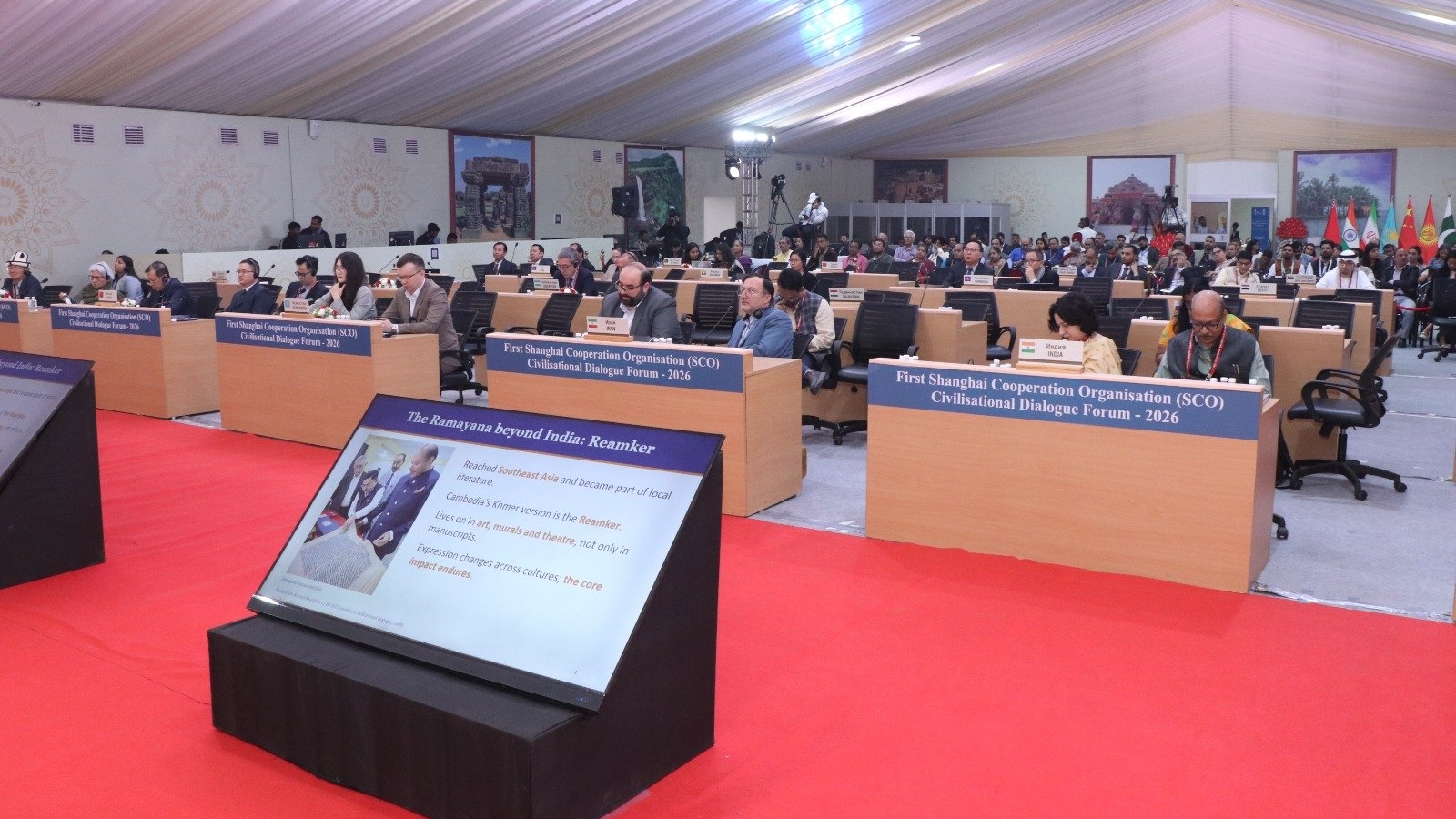
The first SCO Civilisational Dialogue Forum finished on Sunday evening at New Delhi’s Purana Qila with the release of the “Indraprastha Communique.” The document lists areas of agreement among participants, including the protection of cultural heritage from illicit trafficking and the principle that every civilisation should have an equal voice. Union Culture Secretary Vivek Aggarwal said the three‑day forum involved extensive discussions among delegations from SCO member countries and dialogue partners about shared civilisational heritage, cultural exchanges and people‑to‑people links. He added that the communique will provide a comprehensive summary of the session, outline consensus areas and detail how the civilisation dialogue can be advanced further. Aggarwal noted that the forum, proposed by India, will be held biennially under the SCO framework.
During the event, Pakistani Climate Change Minister Musadik Masood Malik was present. Aggarwal said there were no formal bilateral talks between India and Pakistan, though Indian officials interacted with Malik at banquets and during other forum activities. Both countries held separate bilateral meetings with visiting ministers and deputy ministers from Iran, Tajikistan and Nepal. This was the first visit by a Pakistani minister to India since Operation Sindoor in May last year. Malik said he would discuss SCO issues first and would address the Indus Waters Treaty when called upon, emphasizing the need to focus on the poor and vulnerable people affected by regional issues.
Aggarwal highlighted the role of cultural dialogue in international relations, stating that cultural exchange bridges citizens of different nations and can foster global unity by showcasing the distinct qualities of Indian civilisation. He said sharing India’s soft power and cultural richness conveys a message of peace.
The forum, inaugurated by Prime Minister Narendra Modi on November 20, saw delegates from more than 20 SCO member countries, observer countries and dialogue partners, including Iran, China, Russia, Nepal, Kazakhstan, Tajikistan and Turkey. Four technical sessions covered manuscripts and linguistic heritage, archaeology, cultural expressions and monastic trails, with experts sharing insights and delegations providing feedback. The communique’s name reflects the venue, Purana Qila, a site linked to the ancient city of Indraprastha mentioned in the Mahabharata, and a 14th‑century inscription identifying Indraprastha as part of Delhi was displayed during the event. The document also highlighted joint nominations by countries for UNESCO heritage status.
Frequently asked questions
What was the main outcome of the SCO Civilisational Dialogue Forum in New Delhi?
The forum concluded with the release of the Indraprastha Communique, which lists agreements on protecting cultural heritage from illicit trafficking and ensuring every civilisation has an equal voice.
Which Pakistani minister attended the forum and what were his priorities?
Pakistani Climate Change Minister Musadik Masood Malik attended; he said he would discuss SCO issues first and address the Indus Waters Treaty when called upon, emphasizing the need to focus on poor and vulnerable people affected by regional issues.