World
Settlers Seize West Bank Military Zones, Blocking Palestinian Access
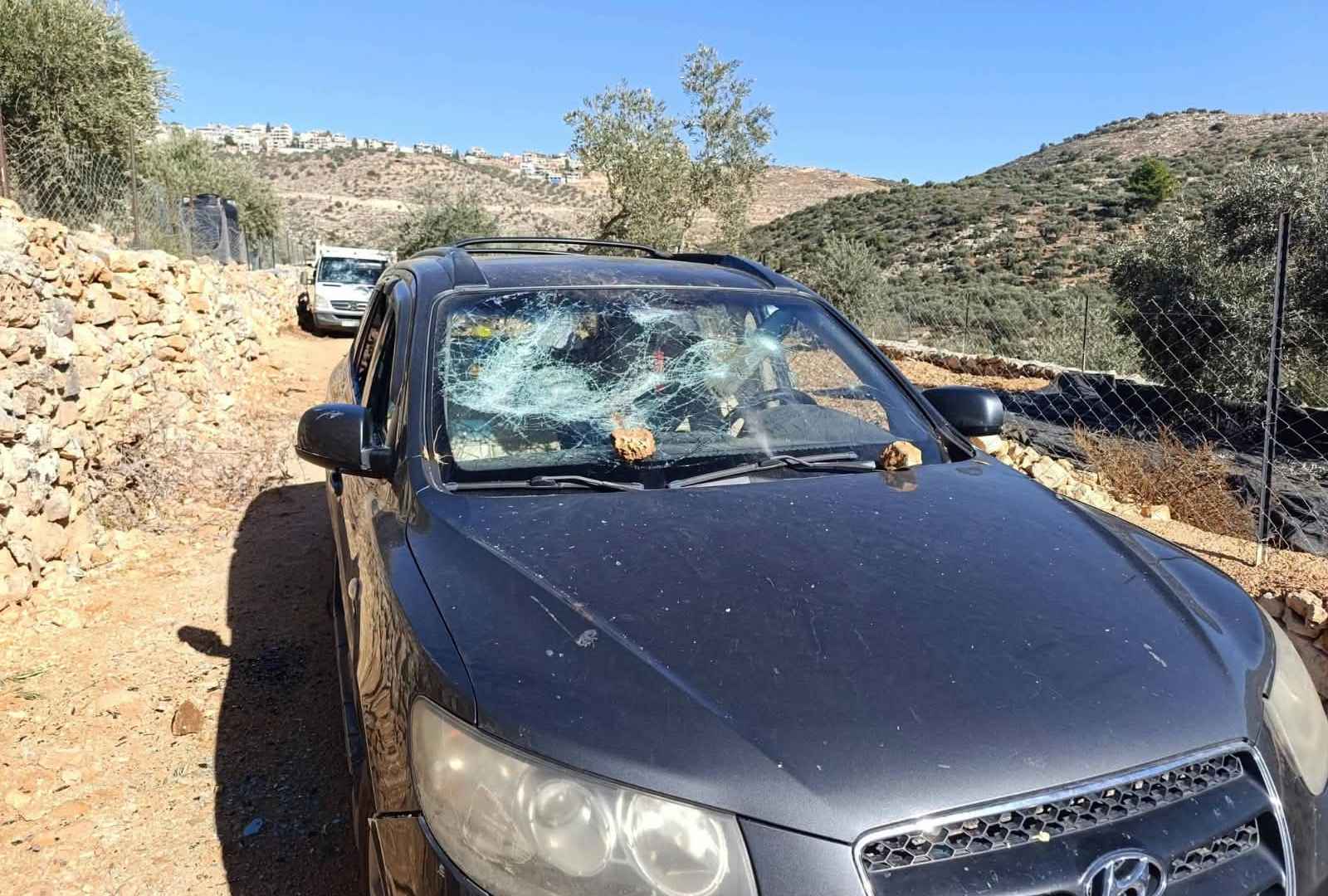
Closed military zones in the occupied West Bank are being taken over by settlers and used as staging posts for attacks on Palestinians. Saleh Zahran, 39, inherited farmland with 120 olive trees in Deir Abu Mishal, a village west of Ramallah that falls in Area B under joint Israeli‑Palestinian control. He described his family’s life on the land, noting that before settlers arrived they could freely harvest fruit and use the property. In June, a settler outpost was established about 1 km from his land. Since then, Zahran’s family has been unable to reach the farmland; settlers have attacked their vehicles, pepper‑sprayed his elderly father, and blocked access. On November 10, an Israeli High Court decision granted the village two days of army‑coordinated harvesting, a first for Area B. Zahran and his brothers attempted to harvest but were confronted by about 20 settlers who threw stones, smashed their truck and a four‑wheel drive, and cut tyres. No soldiers were present, and police did not arrive despite calls. The next day, the army and its liaison office were present but only allowed farmers to stay until about 9 a.m., showed a map of permitted areas, and told them to leave by 2:30 p.m. Their lawyer, Ghiyath Nasser, said villagers could access less than a third of the area, so Zahran could harvest only about 20 of his 120 trees. When he finally reached the farm room after five months, he found settlers had stolen or smashed his belongings and were drawing water from the two wells he had restored; saplings planted the previous year had died. Although on paper settlers are barred from the Zahran family’s property, in practice Palestinian owners are kept out. Nasser said the army demolished the outpost twice after the first legal petition, but it was rebuilt each time and then declared a closed military zone for Israelis only, preventing soldiers from demanding permits or coordination from Palestinian owners. Wail Qut, a lawyer with the Jerusalem Legal Aid and Human Rights Center, noted similar patterns in Madama, south of Nablus. The army gated the road from the village to Nablus, citing security concerns, and the Israeli High Court dismissed the villagers’ petition, allowing farmers to reach the land only on foot or by animal and apply for permits. Qut described this as a “de facto closure.” An outpost of about 10 caravans appeared inside the closed area in April, and the army reopened the gate for settlers. In al‑Mughayyir, located at the northeastern edge of the Ramallah governorate, soldiers surrounded a wedding hall on November 13, used stun grenades, and took the groom and relatives away for two hours. Soldiers claimed gunshots and firecrackers had been fired, but attendees denied this. The army sealed and raided the village, citing a settler’s claim that someone from al‑Mughayyir had thrown firecrackers or shot at him. The village’s eastern entrance, which lies beyond its 43,000‑dunam (10,625.5‑acre) territory, has been closed for years, leaving villagers able to move freely in only about 900 dunams (222.4 acres). Marzouq Abu Naim, a village council member, said the first outpost on the eastern plain appeared in 2018 and has grown from 200 to 5,000 dunams, with dozens of similar outposts around the village. He described how settlers receive facilitation from authorities, including water, electricity, and roads. In August 2025, after a shooting wounded an Israeli teenager, the army ordered the clearing of olive trees beside a settler road through the plain as a “security threat”; more than 10,000 trees were uprooted, including 230 belonging to Abu Alia. Yesh Din, an Israeli NGO, noted that the closure order was enforced only against owners, while settlers continued to graze, plough and build on the plots. The pattern of selective enforcement is described by Lior Zur of Yesh Din as a mechanism for transferring possession of land from lawful Palestinian owners to settler trespassers. Similar cases have occurred in Duma, Burin, Taybeh, Ein al‑Duyuk, Qusra, Umm al‑Khair and elsewhere. The United Nations Humanitarian Country Team for the occupied Palestinian territory reported on November 20 that more than 400 settler attacks causing casualties or damage had been recorded since September, more than in any previous season. The Israeli Civil Administration has leased large areas of the West Bank to settlers for grazing, which is not done for Palestinians. Back in Deir Abu Mishal, olives are rotting as the season ends. Zahran’s children ask why they cannot return to the farm room for barbecues and the olive harvest; he says it is too dangerous, noting that settlers block access for thousands of people and that they are living the height of injustice.