World
Sudanese Mothers Face Heightened Hardships as War Drives Displacement and Widowhood
By Fatima Edam
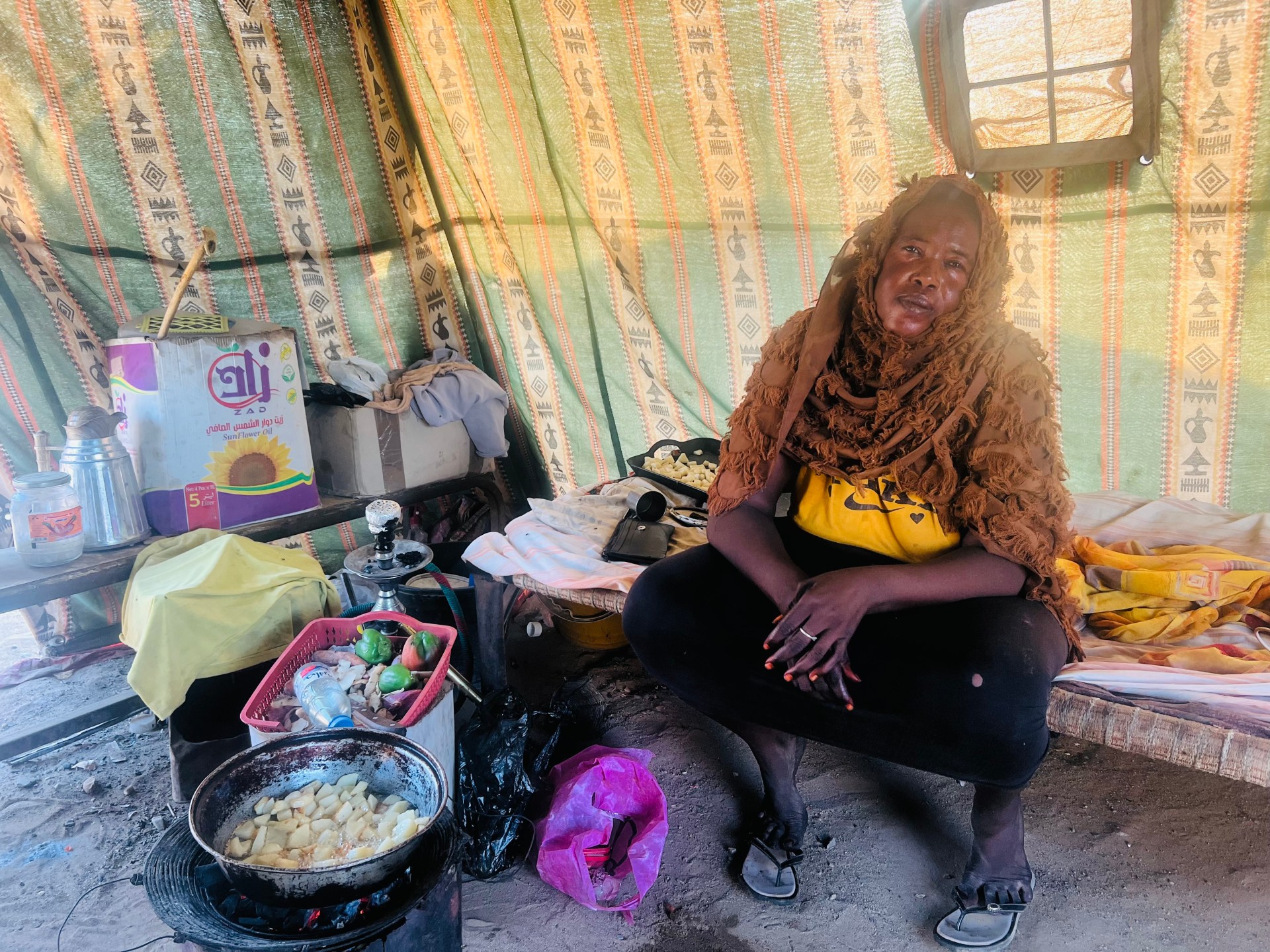
Women in Sudan are increasingly struggling to support their children amid rising living costs and shrinking humanitarian aid. Arafa Abdelaziz, 33, lost her husband and one son early in the April 2023 conflict between the Sudanese Armed Forces (SAF) and the paramilitary Rapid Support Forces (RSF). After her remaining eight‑year‑old son was killed by a stray bullet in Omdurman, she fled with her six‑year‑old son, who has a developmental brain condition. The 15‑day journey to Port Sudan was marked by robbery, assault and rape by RSF fighters. Arafa was beaten, had two gold rings taken from her fingers and was left with no possessions. She arrived in Port Sudan with no family support and was placed in a school shelter before being transferred to a displacement camp where she now lives with her son. Her son’s medication is sporadic, and Arafa worries about his health and future.
UN Women reported in October 2026 that 12.7 million people, mostly women and girls, needed support for gender‑based violence in Sudan, four times the pre‑war figure. Sexual violence is being used as a weapon of war, with women and girls at risk while fleeing conflict, in camps and while searching for basic necessities.
The war has killed up to 150 000 people and displaced millions. Income levels have fallen to 1992 levels and extreme poverty rates are worse than in the 1980s. The UN’s 2025 Gender Snapshot found that 75 % of female‑headed households in Sudan were food insecure, three times the rate among male‑headed households. The Mashad Observatory has documented 72 202 cases of widowhood since the outbreak of war in April 2023.
Humanitarian agencies say Sudan’s 2026 response plan, aimed at reaching 20.4 million people and requiring $2.9 billion, has received only 47 % of the needed funding. A spokesperson for the organisation said that addressing the crisis requires a shift from emergency relief to a comprehensive national strategy centred on widows and female‑headed households, including cash assistance, economic empowerment, vocational training, access to employment, finance, education, healthcare, legal protection and psychosocial support.
Zahra Idris, 39, fled Khartoum with her husband and two children as shelling intensified and arrived in Port Sudan three years ago. After losing their rented home and later her husband to heart disease, she now cares for two children with limited support. Her 12‑year‑old son has an intellectual disability that requires regular medical care, which the family cannot afford. Zahra said the cost of seeking assistance from different organisations was about 100 000 Sudanese pounds, money that could have covered basic household needs for several days.
Frequently asked questions
How many people in Sudan need support for gender‑based violence according to UN Women?
12.7 million people, mostly women and girls, need support for gender‑based violence in Sudan.
What is the target population for Sudan's 2026 humanitarian response plan?
The plan aims to reach 20.4 million people.