World
EU‑Syria Talks Focus on Migration Amid Normalisation Efforts
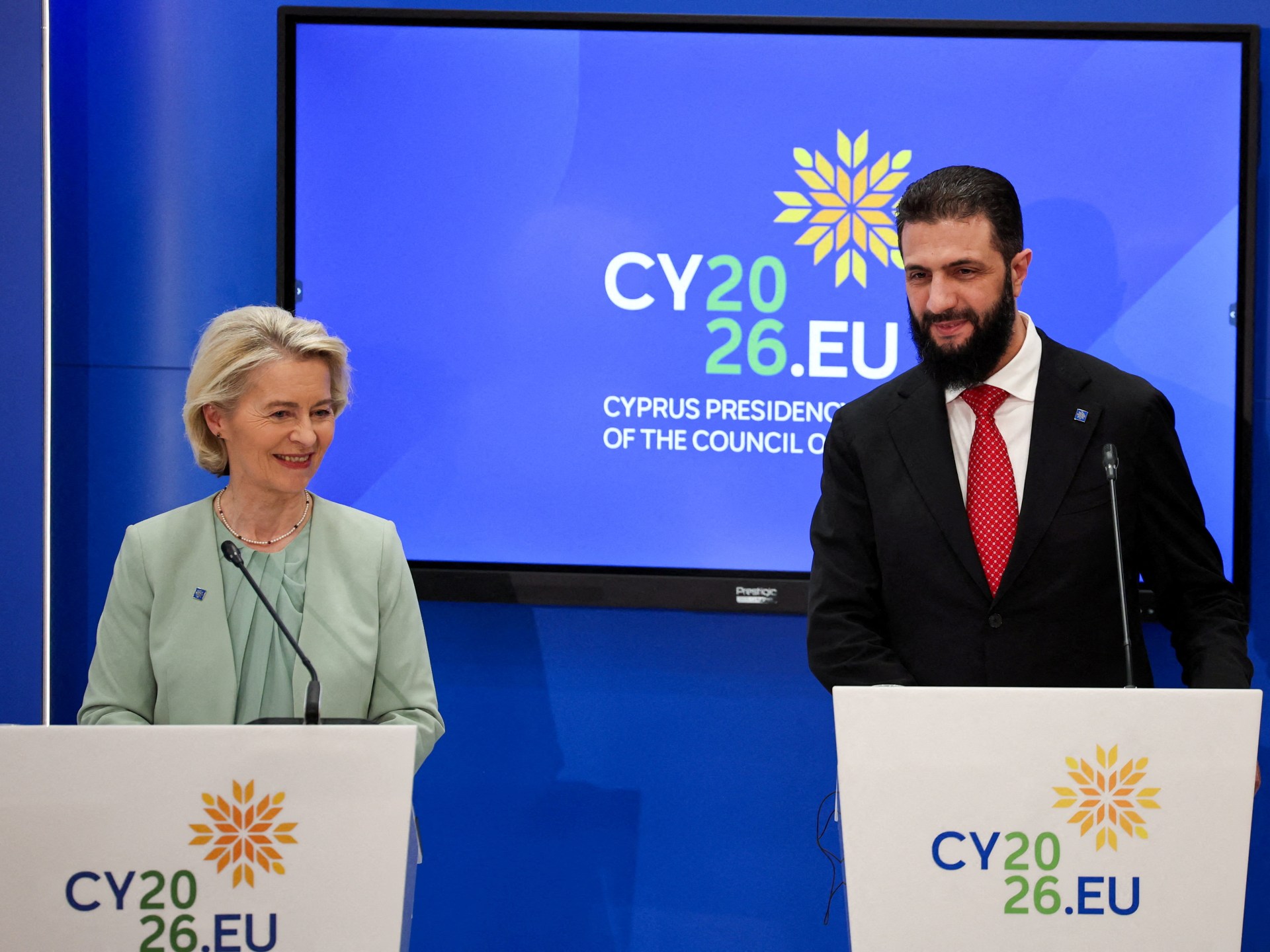
Syria and the European Union are negotiating a deal to restore trade and political ties after a 15‑year suspension, but officials say migration will likely dominate the discussions. The talks aim to provide a framework for trade, political dialogue and cooperation, according to Vice President of the European Commission Kaja Kallas, who said the goal is to give Europe and Syria a framework for trade, political dialogue and closer cooperation as soon as possible.
Syria’s new government, led by President Ahmed al‑Sharaa, seeks to lift remaining EU sanctions and rebuild relations. Brussels has announced a two‑year funding package of 620 million euros for Syria and has held its first high‑level political dialogue with Damascus.
Current and former EU diplomats have warned that rising right‑wing sentiment in Europe could lead to a focus on repatriating Syrians and on immigration policy, potentially sidelining human‑rights concerns.
The first cooperation agreement between the EU and Syria was signed in 1978. In 2011 the EU suspended ties after the Assad regime’s crackdown on protests, moved its mission to Beirut and imposed sanctions. The EU lifted all economic sanctions last year, although some dual‑use export controls remain.
Syria has already removed many sanctions and improved relations with Gulf Cooperation Council members and the United States. The new government has highlighted its role in fighting ISIL and as an energy transit point, proposing a trans‑Atlantic pipeline framework that bypasses the Strait of Hormuz.
Trade is a key issue; Brussels is expected to open the Syrian market to EU products, which could lower costs for Syrian consumers. Syrian exporters, mainly agricultural and pharmaceutical, must consider the limited range of goods they can export to the EU.
In the months after the regime change, some European states paused asylum claims for Syrians, citing the end of war dangers. Kallas emphasized the need for clear human‑rights conditionality and non‑recognition of occupied territories.
Around one million Syrians have returned home from neighbouring countries, but experts warn that rapid returns without adequate investment in services could destabilise communities. The EU must balance migration policy with the need to support Syria’s reconstruction and avoid making returns a price for renewed ties.