World
US and Israel Weigh New Attack on Iran Amid Rising Tensions
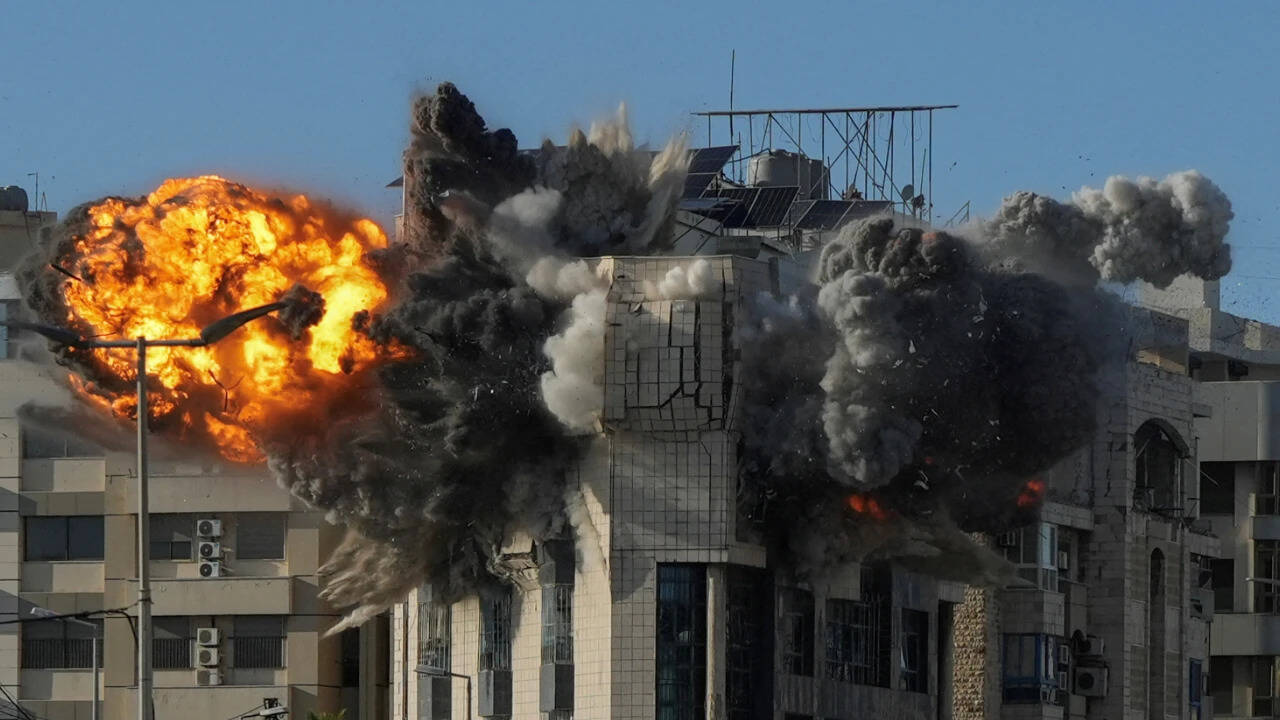
The United States and Israel are reportedly considering a new military strike on Iran within the next few weeks, CBS News said on Friday, citing sources familiar with the matter. Israel is worried that Tehran is quickly rebuilding its ballistic missile production and moving military and nuclear facilities underground. Israeli officials say the country is ready for another round of fighting and has bolstered its defenses against a potential Iranian first strike. It is unclear whether U.S. President Donald Trump would authorize another operation or what form it might take. The Netanyahu administration prefers a joint operation with Washington, but the political costs of renewed fighting could complicate the decision for both leaders. The war was a key factor in the Republicans’ defeat in the recent U.S. midterm elections and remains unpopular among American voters.
The U.S. has already deployed substantial military assets in the region, including tens of thousands of personnel, two aircraft carriers and their accompanying strike groups. CBS News reported that a new offensive could be launched within two to four days if Trump gave the order. Diplomatic deadlock and rising military tensions have persisted after months of indirect negotiations between Washington and Tehran failed to produce a ceasefire that would reopen the Strait of Hormuz. Iran has refused to discuss its nuclear program unless the U.S. lifts its naval blockade and accepts a set of other conditions.
Trump has repeatedly said Tehran wants a deal but has offered mixed signals about the possibility of renewed military action. In an interview with Fox News on Wednesday, he said he wanted an agreement that would last, while warning that he would "finish it off" soon, one way or another. Speaking to Israel’s Channel 12 on Thursday, Trump said he was "not rushing into any decision" and suggested the stalemate could continue into 2027.
The possibility of a fresh assault has gained attention following a meeting between U.S. Central Command chief Admiral Brad Cooper and senior Israeli security officials at Israel’s defense ministry on Wednesday. The Israeli military described the meeting as a "joint, comprehensive situational assessment." Israeli military chief Eyal Zamir and Mossad director Roman Gofman were among those who met Cooper. Gofman had also travelled to Washington the previous week and met U.S. officials, including CIA director John Ratcliffe, according to people familiar with the matter cited by CBS News. The presence of the Mossad chief at the meeting was unusual and fueled speculation that Iran was a central topic of discussion.
Netanyahu faces political uncertainty. Any decision to resume a major military campaign would come at a politically sensitive time for Netanyahu. His political rivals have been tasked with forming a government following Israel’s national election last month, potentially leaving him in office for only a few more weeks. Netanyahu has argued that Israel needs a unity government to confront its security threats, with Iran remaining central to his concerns. However, some of his political opponents suspect he may be using the prospect of renewed conflict to avoid losing power, CBS News reported.
Trump had endorsed Netanyahu ahead of the Israeli election and has indicated that he would prefer to work with the Israeli leader in any new operation against Iran. Meanwhile, Trump has raised the possibility that Iran could be seeking to develop chemical or biological weapons, but has provided no evidence for the allegation. "They’re looking at gases, looking at bio, because we’ve shut them out with the nuclear," he told a Fox News reporter in China. Iranian foreign ministry spokesperson Esmaeil Baqaei rejected the allegation on Thursday, comparing it to U.S. claims before the 2003 invasion of Iraq that Saddam Hussein’s government was developing weapons of mass destruction. In a post on X, Baqaei described the latest allegations as following a "fraudulent script".
Iran has consistently denied seeking to build nuclear weapons. However, after Trump withdrew the U.S. from the 2015 nuclear agreement during his first term, Tehran expanded its uranium enrichment programme beyond levels required for civilian nuclear energy. International monitors believe Iran still has a stockpile of about 900 pounds of uranium enriched to 60% purity, potentially buried beneath the remains of heavily damaged nuclear facilities, according to CBS News.
The speculation over a wider military operation comes amid renewed exchanges between Iran and the U.S. American forces struck Iran’s strategic Qeshm Island in the Strait of Hormuz on Tuesday. U.S. officials described the strike as an act of self‑defence after Iranian attacks targeted American assets in Bahrain, which the U.S. military said were intercepted. Iran also launched strikes against Kuwait this week, though officials said they caused no damage.
Frequently asked questions
What is the U.S. considering regarding Iran?
The U.S. and Israel are reportedly considering a new military strike on Iran within the next few weeks, according to CBS News.
When could a new offensive be launched?
CBS News reported that a new offensive could be launched within two to four days if Trump gave the order.
What recent action did the U.S. take against Iran?
American forces struck Iran’s strategic Qeshm Island in the Strait of Hormuz on Tuesday, describing the strike as an act of self‑defence after Iranian attacks on American assets.