World
UK Prime Minister Announces New Deal with EU, Sparks Debate Over Possible Re‑entry
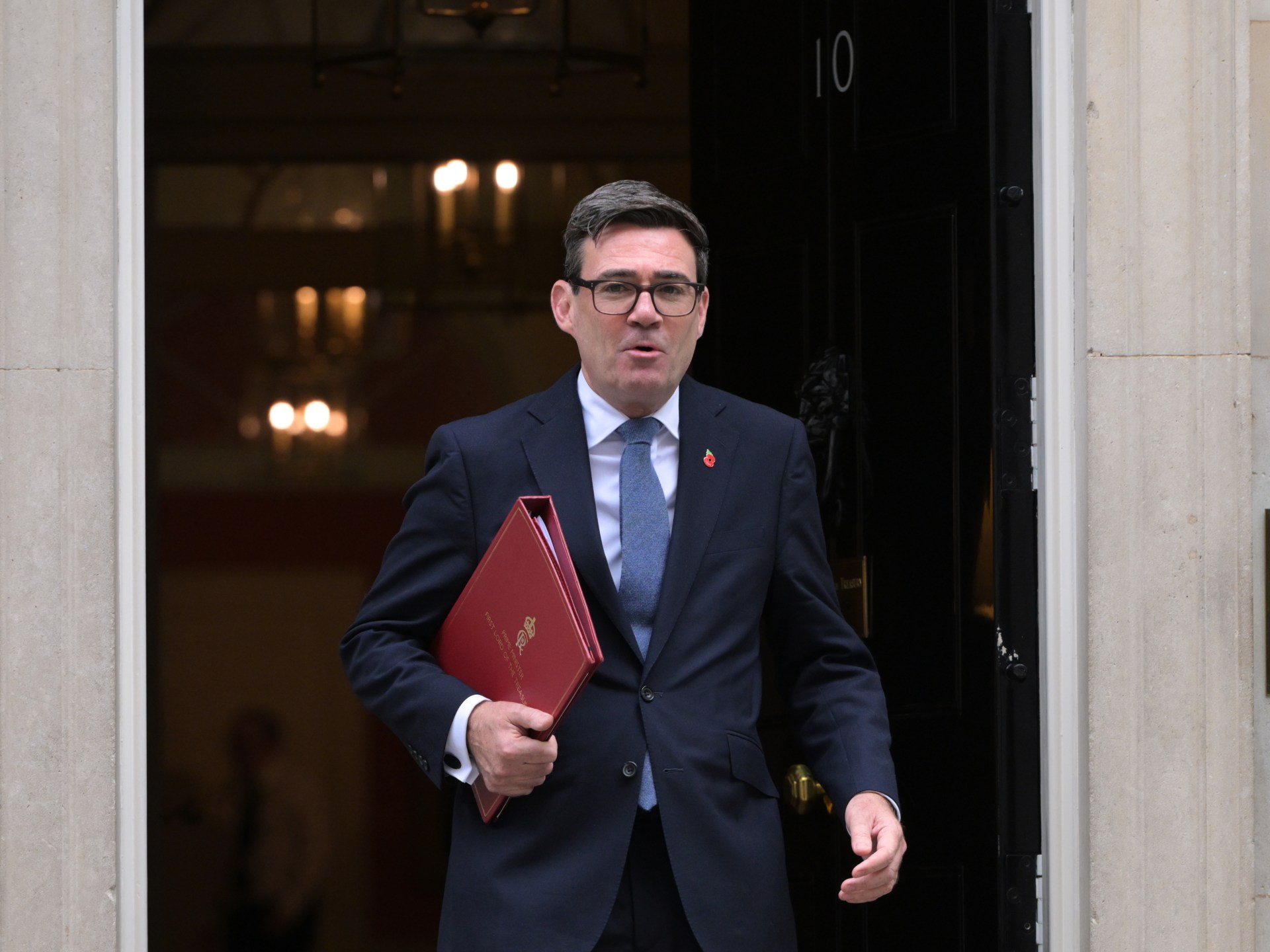
Prime Minister Andy Burnham returned from the UK‑EU summit in Brussels with a new deal that he described as rebuilding “the bridges that were broken all those years ago.” The agreements, unveiled in a joint news conference with European Commission President Ursula von der Leyen, cover three main areas: easing trade restrictions, expanding opportunities for young people to live and work across borders, and addressing carbon levies. Burnham called the deals “a good deal for Britain” and said they were the first steps toward bringing the UK back into the EU’s orbit.
The United Kingdom left the European Union following a 2016 referendum that was narrowly won by the Leave campaign. The vote has remained a source of division, with families and communities reportedly split over their positions. The EU remains the UK’s largest trading partner.
Polling expert Sir John Curtice reports that, once undecided respondents are excluded, 62 % of the public favour rejoining the EU while 38 % prefer to stay out. Curtice said the public’s attitude toward the EU has changed since 2016.
Some analysts suggest that the government could begin the process of rejoining without a new referendum, provided the EU agrees. Professor Sionaidh Douglas‑Scott of Queen Mary University of London noted that the 2016 referendum was not legally binding, but that ignoring it would be politically risky. She added that a referendum on re‑joining could be considered if public opinion had shifted enough.
Questions remain about the terms of any re‑entry, including whether the UK would be required to adopt the euro and how the EU might change after upcoming elections in France, Germany and Spain. Curtice noted that support for closer ties is often weaker than support for full membership, with about 35 % backing re‑joining if closer ties were offered as an alternative.
Former Leave campaign figures have resurfaced to oppose the prime minister’s efforts. Nigel Farage, former leader of Reform UK, visited Brussels to protest the deal. Other former Leave campaigners, including former Prime Minister Boris Johnson and former cabinet minister Michael Gove, have also re‑emerged.
The campaign group Stay Out estimates the annual cost of remaining in the EU at £39.3 billion (about $51.4 billion). Professor Anand Menon of King’s College London said that the debate over Brexit has lost salience and that many people feel trauma from the original debate.
The new deal has sparked renewed discussion about whether the UK should re‑enter the EU and how that process might unfold politically and legally.
Frequently asked questions
What are the three main areas covered by the new UK‑EU deal?
The deal covers easing trade restrictions, expanding opportunities for young people to live and work across borders, and addressing carbon levies.
What percentage of the public supports rejoining the EU according to Sir John Curtice?
Sir John Curtice reports that, once undecided respondents are excluded, 62% of the public favour rejoining the EU while 38% prefer to stay out.
Which former Leave campaign figures have opposed the new deal?
Nigel Farage, former Prime Minister Boris Johnson, and former cabinet minister Michael Gove have resurfaced to oppose the prime minister’s efforts.