World
Contaminated Fuel Drives Up Costs and Repairs for Yemeni Drivers
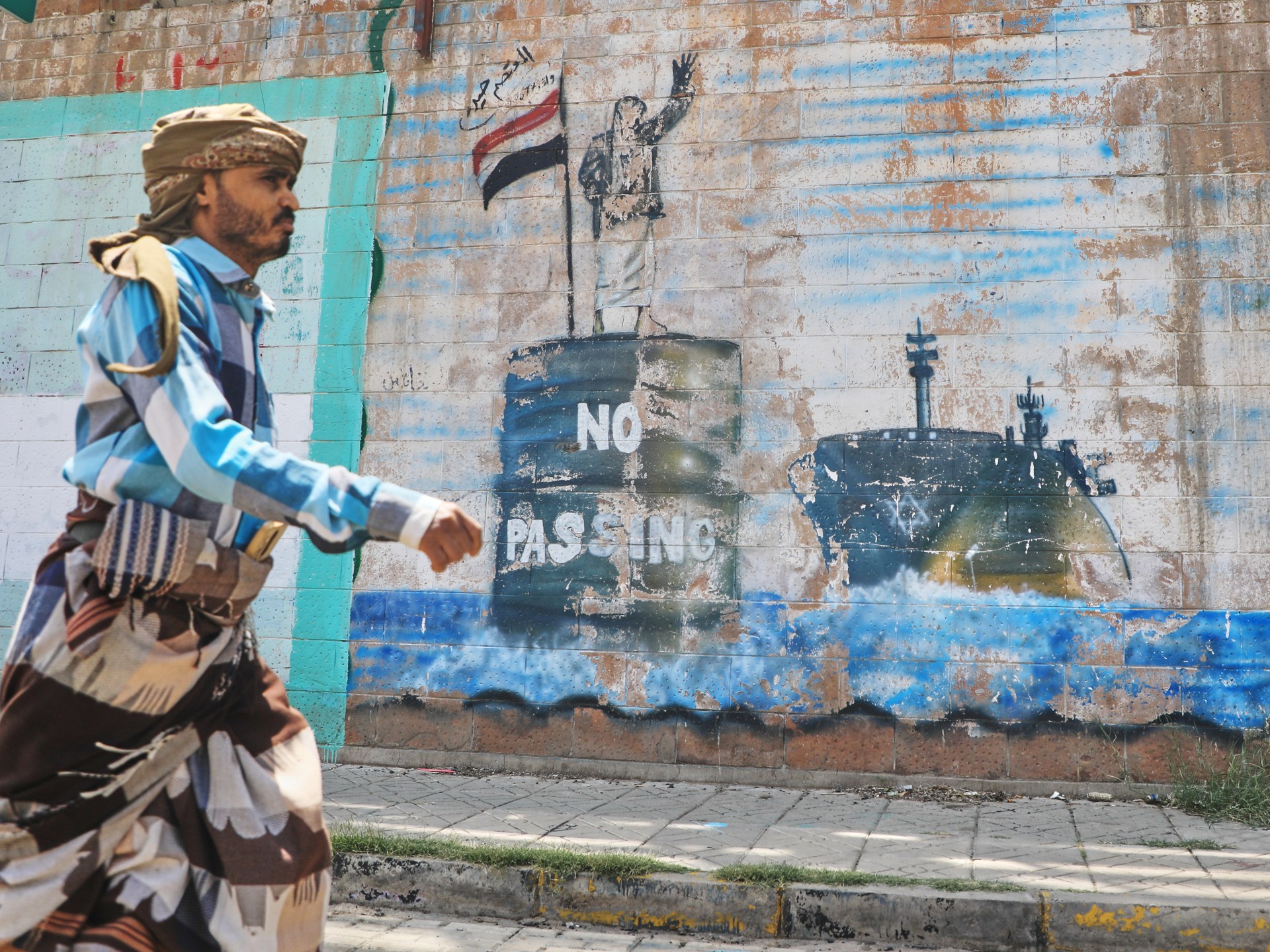
Drivers in Houthi‑controlled Yemen are facing higher fuel prices and costly vehicle repairs after reports of contaminated petrol damaging engines. Yazan, 28, filled his car in Sanaa and began a trip to Ibb that normally takes about two and a half hours. He found the car struggling to accelerate, with increased engine vibration that forced him to stop several times. The journey took six hours, and Yazan believes the problem was caused by petrol contaminated with oil and impurities that he bought in Sanaa. He told Al Jazeera that the fuel left many cars, including his, with faults and that drivers are paying for expensive petrol that damages engines.
Other Sanaa drivers have reported similar issues with contaminated and increasingly expensive fuel. The Yemen Petroleum Company (YPC), run by the Houthis, said in June that contaminated fuel resulted from inadequately equipped storage facilities in Hodeidah. Tanks in the port city and the nearby Ras Isa oil terminal have been attacked by Israeli and U.S. air strikes since 2024, which the YPC said prevented the removal of impurities before pumping fuel to the market. Yemenis dispute this explanation. The Sana’a Center for Strategic Studies says restrictions on fuel imports have led the Houthis to rely partly on lower‑quality Iranian fuel. Mohammed Ansi, a Yemeni academic, said fuel shipments are being brought in without accountability, oversight, or conscience, driven solely by profit.
Fuel imports fell sharply from January to May this year. Compared with the same period in 2025, imports through Houthi‑controlled ports fell 73 percent and through government‑controlled ports fell 60 percent, according to the World Bank. The drop is partly due to the impact of the U.S.–Israeli war on Iran on oil shipments through the Strait of Hormuz and damage to Yemen’s ports from various attacks.
The crisis is taking a financial toll on families amid the ongoing war. Yazan said paying for expensive petrol and vehicle repair is a new war on livelihoods. A few weeks ago, 20 litres of petrol cost 9,500 Yemeni riyals ($18 at Houthi rates) in Sanaa; the price has since risen to 11,400 riyals ($21), a 20 percent increase, not including additional repair costs.
Yemenis are already struggling to make ends meet, a situation that has worsened over a decade of conflict. An April IMF report said the conflict has caused significant macroeconomic vulnerabilities and a marked decrease in income per capita, leaving more than half of the population in urgent need of humanitarian assistance.
Taxi driver Akram Naji in Sanaa is among those affected. He took his vehicle to a mechanic after hearing a strange engine noise. The mechanic identified a faulty fuel pump, clogged fuel injectors, and reduced engine performance. Repairing the damage cost Naji 55,000 riyals (about $100). He said paying this amount immediately was a challenge, forcing him to reduce rent and daily expenses.
Mechanical engineer Ali Beidhani explained that when contaminated petrol enters an engine, the oily substance accumulates in the combustion system. Exposure to high temperatures makes it viscous, almost like glue, damaging engine valves, clogging fuel injectors, and causing vibrations. In severe cases, it can lead to complete engine failure. He noted that many drivers struggle to afford repairs, sometimes borrowing money or selling possessions.
Economic researcher Wafiq Saleh, executive director of the Taiz Centre for Yemeni‑Gulf Studies, told Al Jazeera that the spread of contaminated fuel heightens civilian misery. He said drivers, delivery riders, and farmers struggle to make ends meet and may be unable to feed their families. Saleh argued that authorities in Sanaa bear full responsibility for importing substandard fuel or supplying adulterated petrol, taking advantage of a lack of accountability. The proliferation of adulterated fuel drains citizens’ savings and threatens the livelihoods of thousands of drivers.
Naji now checks the colour of petrol at stations, hoping to spot contamination. He said a fault in his car is like a wound in his child’s body; he cannot bear to see either go untreated.
Frequently asked questions
What caused the fuel contamination in Yemen?
The Yemen Petroleum Company said contaminated fuel resulted from inadequately equipped storage facilities in Hodeidah, with tanks at the port city and Ras Isa oil terminal attacked by Israeli and U.S. air strikes since 2024, preventing removal of impurities before pumping fuel to the market.
How much has the price of petrol increased in Sanaa?
A few weeks ago, 20 litres of petrol cost 9,500 Yemeni riyals ($18 at Houthi rates) in Sanaa; the price has since risen to 11,400 riyals ($21), a 20 percent increase.
What kind of engine damage can contaminated petrol cause?
Contaminated petrol can accumulate oily substance in the combustion system, become viscous at high temperatures, damage engine valves, clog fuel injectors, cause vibrations, and in severe cases lead to complete engine failure.