World
Colombians Protest Tax Reforms Amid US Military Cooperation Debate
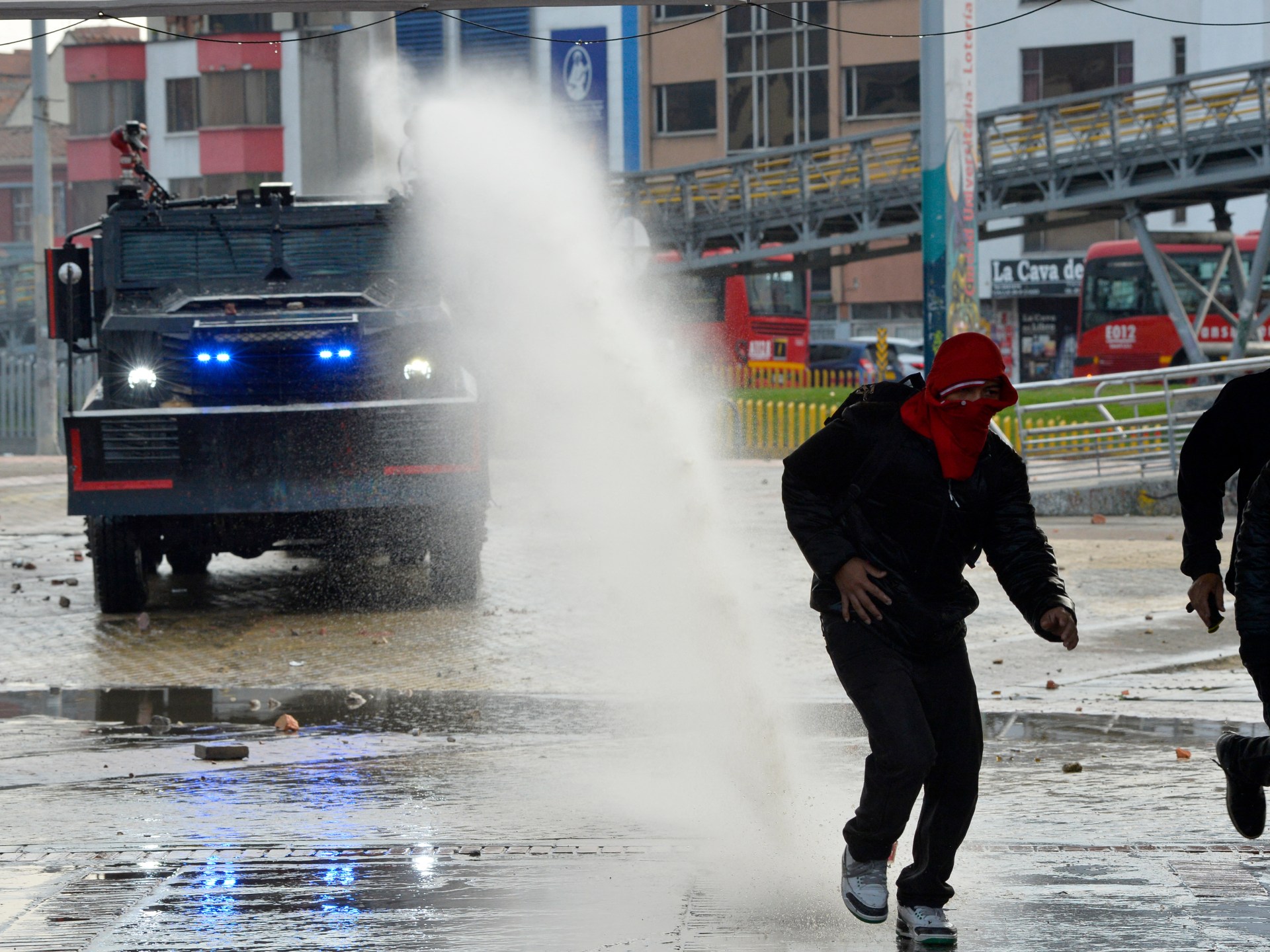
Thousands of Colombians took to the streets in a second nationwide protest against President Abelardo de la Espriella on Thursday, demanding opposition to proposed tax reforms and rising living costs. Trade unions, students and opposition groups demonstrated in Bogotá and other major cities, calling for the government to reverse plans to lower the income‑tax threshold, increase healthcare contributions and reduce corporate taxes. Leidy Gutierrez, a 21‑year‑old psychology student, told AFP that many Colombians feel vulnerable while the rich benefit. The reforms would require citizens earning more than about $985 a month to pay income tax, down from the current threshold of about $1,419. De la Espriella’s administration says the measures are needed to raise revenue amid a fiscal crisis, with next year’s deficit projected at 9.4 percent of GDP. The president has already withdrawn a controversial proposal to raise taxes on basic food products after widespread criticism. Former President Gustavo Petro, who has backed the demonstrations, urged Colombians to mobilise against policies he said threatened household incomes. De la Espriella said citizens were free to demonstrate peacefully but warned that he would not tolerate road blockades or what he described as “urban terrorism.” The marches were largely peaceful, though some ended in clashes with riot police, who fired tear gas and water cannon, AFP reported.
The demonstrations coincided with a dispute over U.S. military cooperation. President de la Espriella and U.S. Defense Secretary Pete Hegseth rejected a New York Times report that Bogotá had turned down a proposal for joint U.S.–Colombian military operations against drug‑trafficking groups on Colombian territory. The newspaper cited U.S. officials saying de la Espriella had told Washington he lacked sufficient congressional support to authorise the operations, prompting Hegseth to shorten his visit. A U.S. official told Reuters that concerns existed in Bogotá over congressional support but did not confirm that the Colombian president had rejected the proposal outright. De la Espriella denied rejecting any proposal from the Trump administration, saying cooperation with Washington was aimed at strengthening Colombia’s military capabilities rather than seeking the deployment of American troops. He stressed that any such deployment would require congressional approval. During his visit to Bogotá on Wednesday, Hegseth praised Colombia’s participation in the U.S.–led Americas Counter Cartel Coalition, an initiative to strengthen regional military cooperation against organised crime.
This protest is the second nationwide mobilisation since de la Espriella took office in August. Tens of thousands demonstrated in October against what opposition groups described as an erosion of human rights and social reforms introduced under Petro.
Frequently asked questions
What is the new proposed income‑tax threshold in Colombia?
Citizens earning more than about $985 a month would pay income tax, down from the current threshold of about $1,419.
What was President de la Espriella’s position on U.S. military cooperation?
He denied rejecting any proposal, said cooperation aimed at strengthening Colombia’s military capabilities, and that any deployment would require congressional approval.
What is the projected fiscal deficit for Colombia next year?
The deficit is projected at 9.4 percent of GDP.