World
NYT Dam Report Sparks Backlash Over Possible Military Links
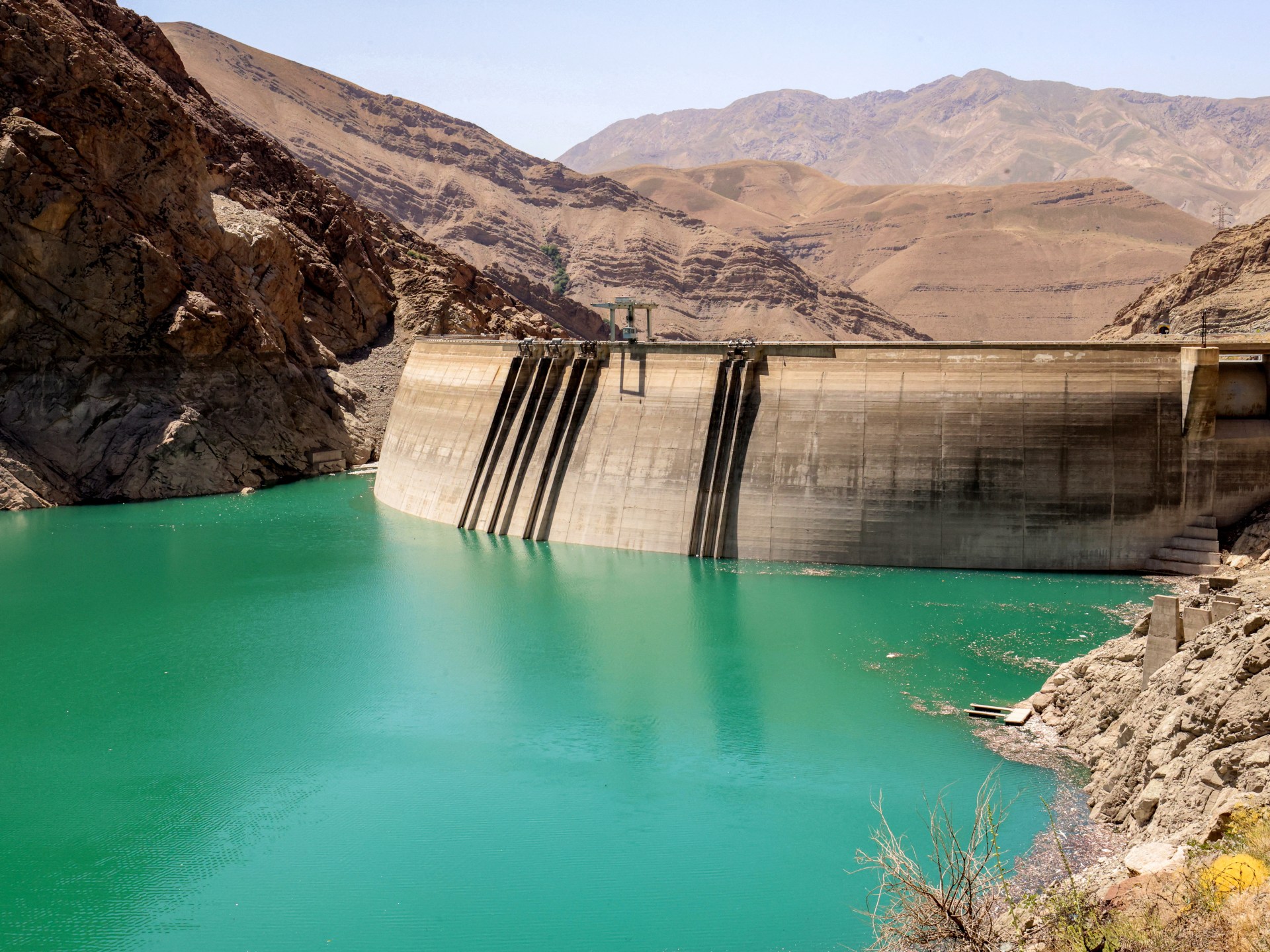
A New York Times story suggesting that some of Iran’s dams and water infrastructure may have been built to support the country’s missile programme has drawn sharp criticism. The article, published on Tuesday under the headline “War May Answer Longtime Riddle of Iranian Dams Built for No Clear Reason,” examined whether Iran’s extensive network of dams, pipelines and water‑transfer projects could be connected to its underground missile programme. It cited researchers who noted geographical similarities between dam locations and sites targeted by U.S. and Israeli air strikes, and some experts the paper spoke to said the water projects “may have been developed to support the country’s military buildup.” The Times acknowledged that any connection remains speculative, but some experts found the evidence “highly suggestive.” Critics argue that portraying dams as potentially serving military purposes could give justification for attacking infrastructure vital to millions of civilians. U.S.‑Israeli attacks on Iran since February 28 have damaged oil facilities, power plants, water reservoirs, bridges, hospitals and other civilian sites, and President Donald Trump has threatened further attacks. Iranian officials have condemned the report. Foreign Minister Abbas Araghchi called the allegations “rubbish” and accused pro‑Israel media of repeating Iraq‑war‑style propaganda. Foreign Ministry spokesperson Esmaeil Baghaei said the claims were “baseless” and part of a malicious campaign to justify attacks on vital infrastructure. Several experts quoted in the story have also challenged its conclusions. Kaveh Madani, director of the United Nations University’s water institute, wrote on X that spatial proximity does not prove causality and that he had not linked dams to missiles. Nima Shokri, a water‑security expert at Hamburg University of Technology, clarified that proximity does not establish why dams were built or justify attacks. Amir Aghakouchak of the University of California, Irvine echoed this view, stressing that dams are essential to civilian life and must never become targets. The Times has defended its reporting, saying it accurately cited research from seven international experts and that framing the investigation as a pretext for violence is dangerous. Spokesperson Nicole Taylor said the article sought to explain Iran’s infrastructure investment and the effects of U.S. and Israeli attacks on civilians. Co‑author Sanam Mahoozi said the report does not endorse or justify attacks on dams or other infrastructure. The controversy has revived criticism of the Times’ coverage before the 2003 U.S. invasion of Iraq, when the paper’s reporting on alleged weapons of mass destruction helped build public support for war. The newspaper has acknowledged shortcomings in that earlier coverage. The current backlash highlights concerns that the report could influence future military actions against Iran’s civilian infrastructure.
Frequently asked questions
What did the NYT article claim about Iran's dams?
It suggested that some of Iran’s dams and water infrastructure may have been built to support the country’s missile programme.
How did Iranian officials respond to the report?
Foreign Minister Abbas Araghchi called the allegations "rubbish" and accused pro-Israel media of repeating Iraq‑war‑style propaganda; Foreign Ministry spokesperson Esmaeil Baghaei said the claims were "baseless" and part of a malicious campaign.
What did experts say about the connection between dams and Iran's missile program?
Experts like Kaveh Madani, Nima Shokri, and Amir Aghakouchak said spatial proximity does not prove causality and that dams are essential to civilian life and should not be targeted.