World
African Journalists Face Hunger, Unpaid Work and Threats, Survey Reveals
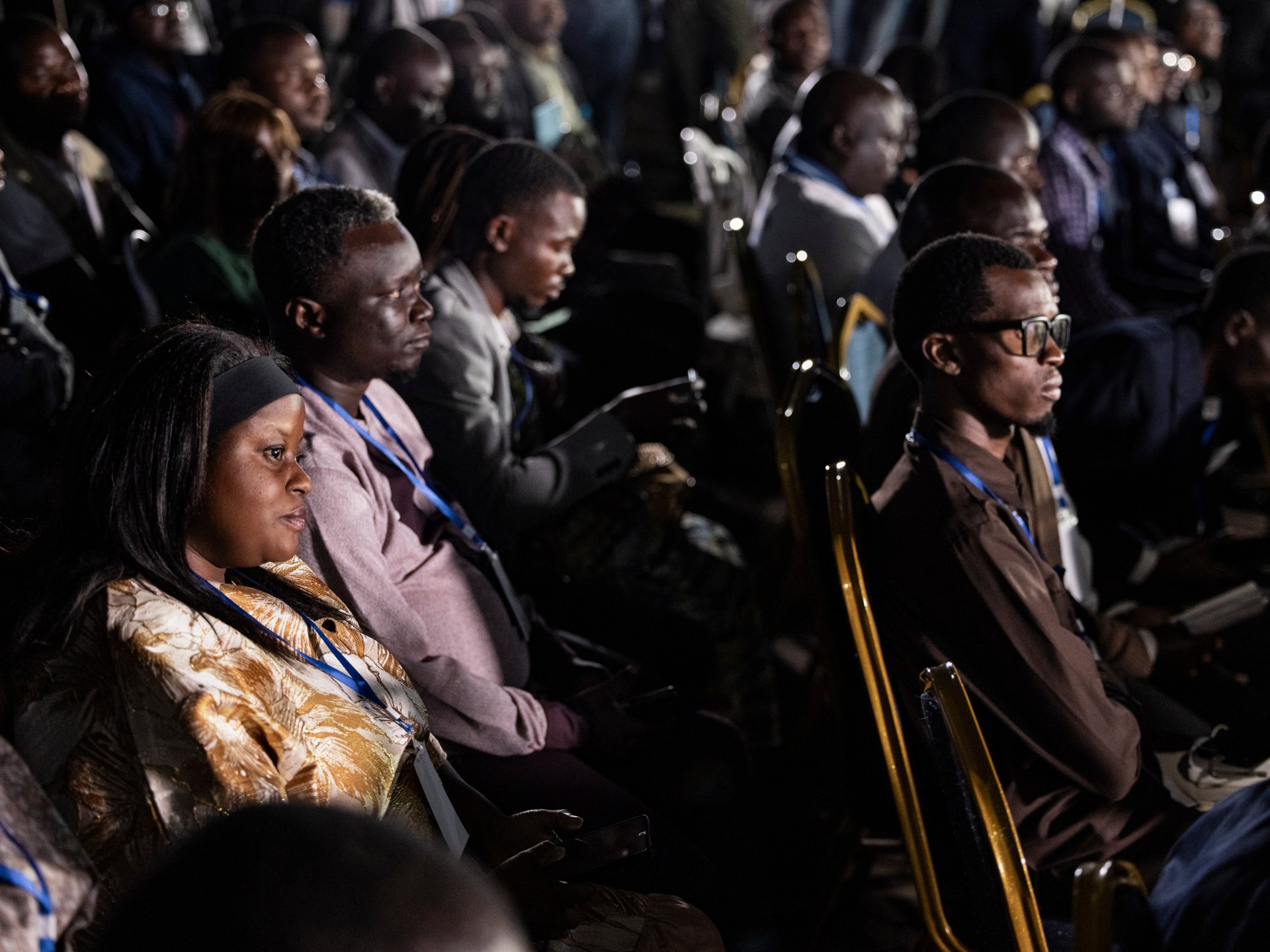
A continent‑wide survey carried out by the Federation of African Journalists (FAJ) with UNESCO’s support gathered responses from 1,586 journalists in 45 African countries. The study found that 61 percent of respondents said their journalism income did not meet basic living needs, 58 percent reported delayed salaries, and 62 percent had no written contracts. In Central Africa, 55 percent of respondents experienced salary arrears lasting three to eight months within a single year. Many journalists also lack health insurance, paid leave, and other social protections, with freelancers and contributors being the most exposed.
The survey highlights how poverty and unpaid work undermine investigative journalism. Journalists report that they rely on side businesses, borrowed money, and political “per diems” to survive, which can create opportunities for outside influence. Eighty‑four percent of respondents said they practiced self‑censorship frequently or occasionally, and 69 percent said threats had led them to avoid certain stories. Sixty‑five percent of participants had experienced work‑related threats or intimidation in the previous three years, and 78 percent said they had no workplace access to legal support.
Online attacks are also common, with journalists reporting harassment, digital surveillance, and hacking attempts, often without digital safety training. Female journalists face additional risks, including sexual harassment, online gender‑based violence, unequal pay, and exclusion from leadership. The survey found that 44 percent of journalists reported frequent burnout and 47 percent had considered leaving journalism.
Regional findings show delayed or inadequate pay in West, Central and Southern Africa, and political intimidation, arrests and legal harassment in East and North Africa. The report cites Ghana as an example where, despite strong democratic credentials, many media workers earned as little as G500 cedis ($38.80) to 1,000 cedis ($77.61) a month.
The study also documents progress in some countries. In Mauritania, a 2025 government decision regularised 1,860 media workers at public media institutions after a campaign by the Association of Mauritanian Journalists, FAJ and the International Federation of Journalists. These workers gained permanent contracts, equal pay, benefits, medical coverage, paid leave and retirement benefits. In Morocco, a collective agreement signed in February 2023 increased the net monthly salary of eligible journalists with more than four years of experience by 2,000 dirhams ($201). Namibia’s formal registration of the Namibia Media Professionals Union enabled a substantially improved settlement for workers facing retrenchment at The Namibian newspaper. In Somalia, the National Union of Somali Journalists developed a national action plan on journalists’ safety adopted in September 2022.
The African Union has also taken steps to address journalists’ safety and media freedom. The AU Peace and Security Council called for greater protection of journalists, action against impunity and stronger safeguards for access to information in October. Ambassador Bankole Adeoye, AU commissioner for political affairs, peace and security, has advocated for media freedom and journalists’ safety.
The survey concludes that governments, media organisations and multilateral institutions must enforce labour protections, pay wages on time, provide written contracts, social protection and legal support, protect the right to organise and bargain collectively, treat freelance journalists as workers with enforceable labour rights, investigate attacks and stop using laws to intimidate reporters. Without these measures, journalists are forced to choose between pursuing the truth and securing their own survival, leaving the public with unfinished investigations, unchecked abuses and hidden facts.
Frequently asked questions
How many journalists participated in the FAJ survey?
1,586 journalists from 45 African countries.
What percentage of journalists reported that their income did not meet basic living needs?
61%.
What progress was achieved for media workers in Mauritania in 2025?
A government decision regularised 1,860 media workers at public media institutions, giving them permanent contracts, equal pay, benefits, medical coverage, paid leave and retirement benefits.