World
Houthis Sustain War Effort Through Diverse Funding, Impacting Yemen’s Economy
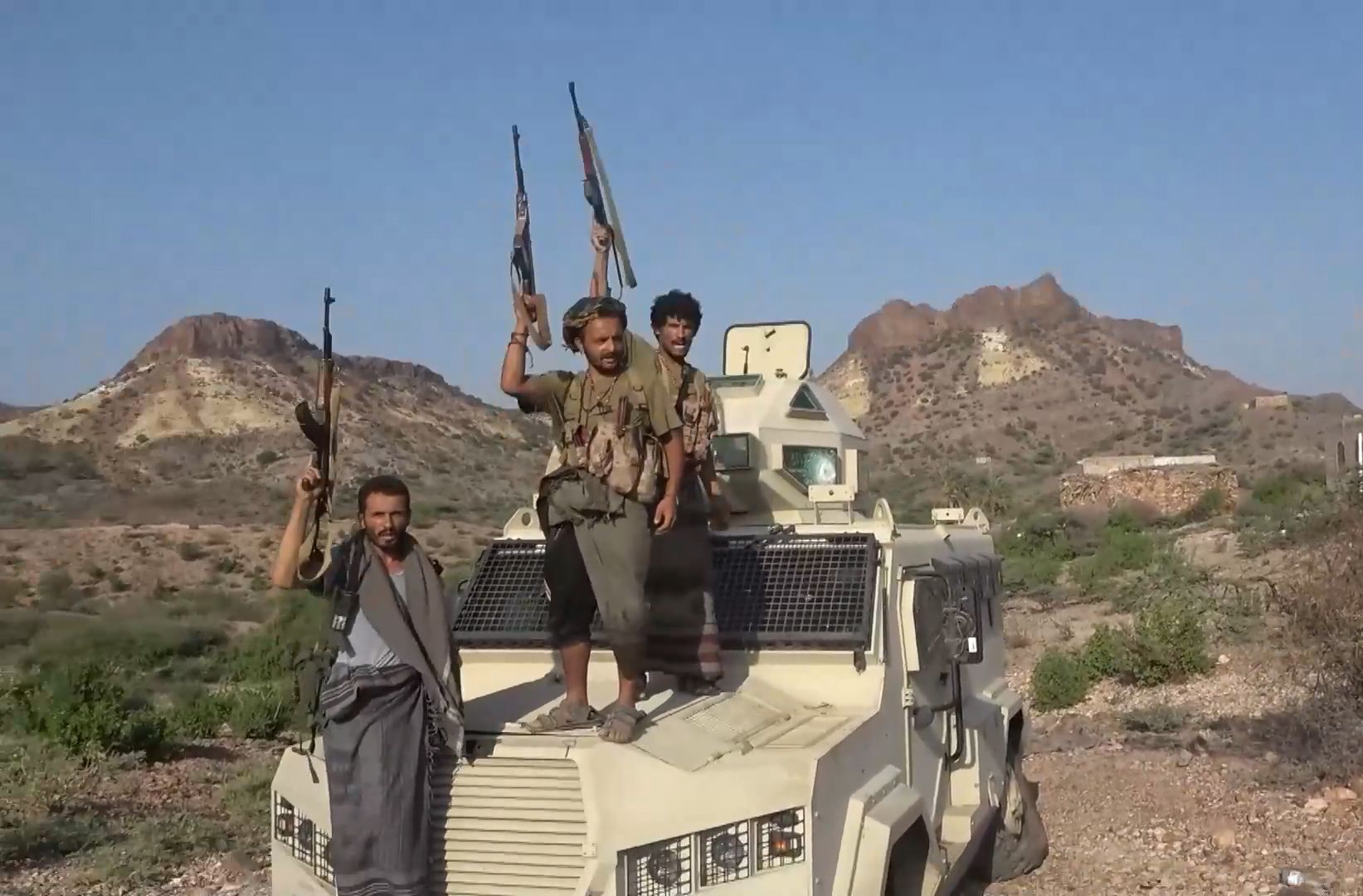
The Houthi movement’s expanding war economy supports military recruitment while deepening poverty and eroding public services. In Sanaa, Yemen, 19‑year‑old Mohammed joined Houthi forces on the Red Sea coast in March. He said the group continues to supply fighters despite Saudi‑led coalition air strikes, international sanctions, and attempts by Saudi Arabia and the Yemeni government to cut off funding. “It is not always war and death on the battlefield. We have a good time. We eat the best food. We can chew khat. If injured or sick, we will be taken care of. Our commander on the ground makes sure we have the supplies we need,” Mohammed told Al Jazeera.
Over a decade of conflict, the Houthis have built a range of revenue streams. A July report by the Mokha Center for Strategic Studies estimated that the Houthi financial system generates about $2.5 billion annually, including roughly $800 million from taxes and customs, $600 million from additional fees and levies, $300 million from cash and in‑kind contributions, and about $100 million linked to mobilisation events. A May research paper from the same institution estimated that nearly 60 percent of collected revenues in Houthi‑controlled areas go to security and military sectors.
Funding techniques have diversified. Ali Naji, a Sanaa resident, said he receives messages urging him to contribute to missile and drone forces. Small contributions, such as 100 Yemeni riyals (about $0.19 at the Houthi‑set exchange rate), can add up to millions. Envelopes are also distributed at funerals and rallies, where people donate cash, weapons, or traditional daggers. Mass rallies feature a cloth on the ground where attendees can give what they can.
Imported oil has become a major revenue source. In January, the U.S. Treasury reported that Iran sold and provided free monthly shipments of oil to the Houthis through Iranian‑owned or affiliated companies in Dubai. Illicit oil sales have generated more than $2 billion annually, according to the Treasury.
Yazeed Al‑Jeddawy, a research manager at the Sanaa Center for Strategic Studies, explained that the Houthis use a self‑reinforcing system: economic control finances coercion, and coercion enables further economic control. Income sources include taxes, customs duties, zakat religious levies, additional levies, fuel, and telecommunications. Control over import permits, fees, and foreign currency gives the group leverage over traders and businesses, sustaining the security apparatus and patronage networks.
Al‑Jeddawy noted that the Houthi financial system supports recruitment amid shrinking employment opportunities and unpaid public‑sector salaries. Joining Houthi forces has become a source of income for some young men, accompanied by ideological indoctrination that extends influence into families and communities. Economic deprivation thus facilitates mobilisation and reinforces the group’s authority.
A 2024 United Nations panel estimated about 350,000 Houthi fighters, including some under 18. The resources fund recruitment, mobilisation, an expanded security apparatus, sophisticated weapons, fortifications, trenches, tunnels, underground facilities, and weapons workshops, all requiring sustained expenditure.
Wafiq Saleh, an economic researcher and executive director of the Taiz Centre for Yemeni‑Gulf Studies, said Houthi‑run civilian institutions are starved of funds, salaries are not paid regularly, and basic services such as health and education deteriorate. “About one million Yemeni public employees have not received their salaries regularly since 2016. Meanwhile, the group has developed its arsenal and funded its war efforts. When war is a priority, the living conditions of the population become miserable,” Saleh told Al Jazeera.
Roughly 80 percent of Yemen’s population lives below the poverty line, and nearly 22.3 million people depend on some form of humanitarian assistance, according to United Nations reports.
For Mohammed, funding military operations is a duty and a long‑term investment. “Liberating the country and expelling foreign forces is not free,” he said. “So, funding fighters and military operations should be every patriot’s priority.”