World
Xi Urges Free Trade Amid U.S. AI Chip Restrictions
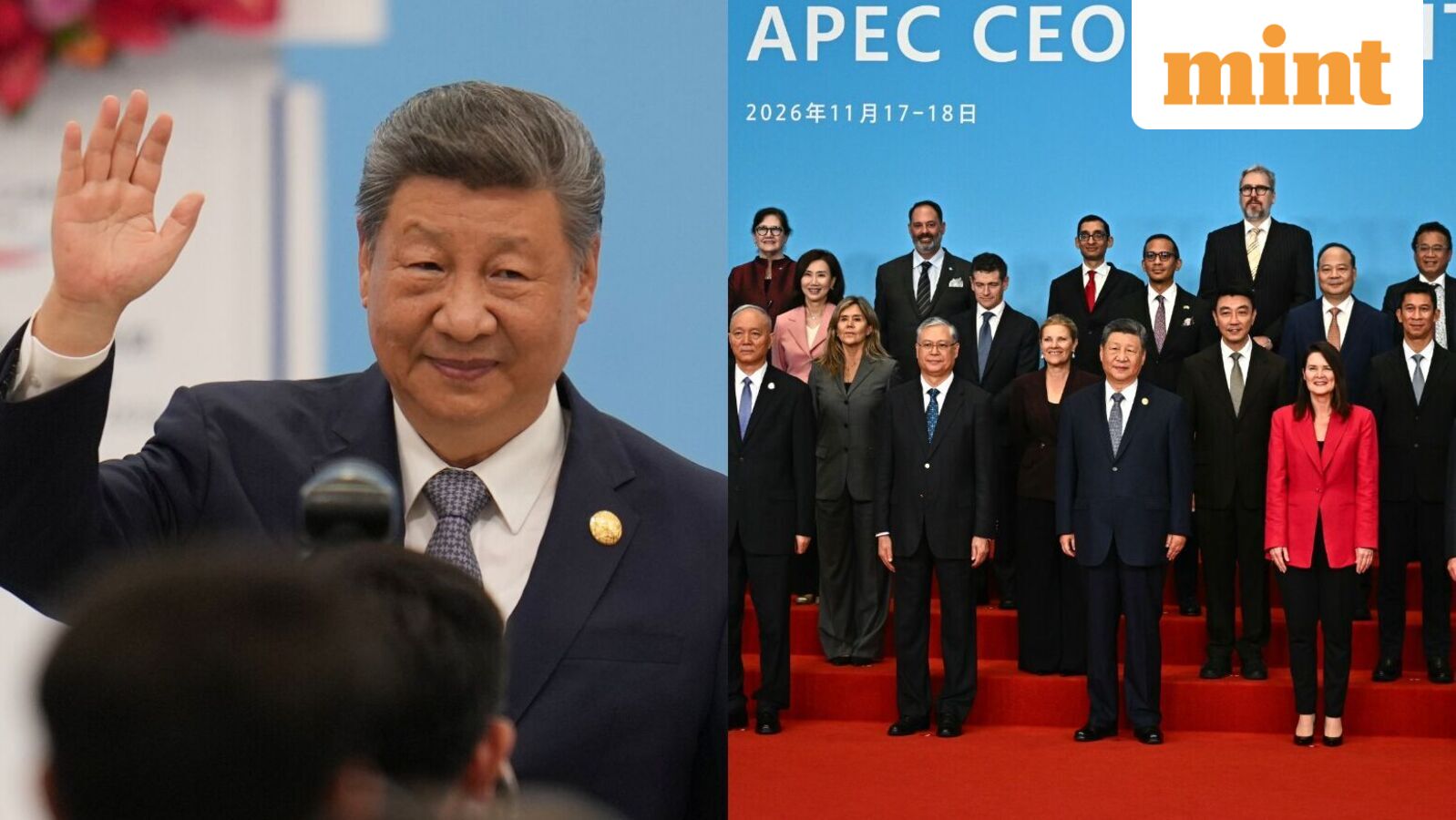
Chinese President Xi Jinping delivered an opening address at an Asia‑Pacific summit on Wednesday, calling for support of a "free and open trade" system and opposing "protectionism." He urged the maintenance of the rules‑based multilateral trading system centered on the World Trade Organization, the stability of global industrial and supply chains, and closer technology partnerships. Xi said that global growth lacks momentum and that unilateralism and protectionism are rampant, noting that China has stood against them and remains committed to true multilateralism.
Xi’s remarks came after the United States announced further limits on China’s access to advanced artificial‑intelligence chips. The U.S. says the restrictions are intended to prevent sensitive technology from threatening national security and to stop Chinese companies from renting advanced Nvidia computing power through overseas data centres or obtaining processors via Singapore and other countries. Some shipments to certain markets now require U.S. export licences.
China’s Ministry of Commerce expressed strong dissatisfaction and opposition to the new U.S. rules, stating that China would take countermeasures if the restrictions proceed. The ministry urged both countries to resolve differences through consultation and cooperation. It warned that data‑centre operators serving Chinese customers may face stricter customer‑verification and licensing requirements, potentially affecting utilisation and expansion, and that Chinese AI developers could face higher costs and slower access to computing power.
Xi added that China would continue to invest in its industrial complex and develop new technologies that would benefit other countries. The U.S. Commerce Department’s Bureau of Industry and Security said the United States is a global leader in advanced computing and is committed to promoting the global adoption of American technology for legitimate commercial purposes while ensuring that sensitive technologies are not exploited in ways that threaten U.S. national security.
China warned it would retaliate if Washington proceeds with curbs on remote access to advanced chips. The Ministry of Commerce reiterated its opposition and stated that if the U.S. persists, China would take countermeasures to safeguard its sovereignty, security and development interests. The U.S. had previously imposed major export controls in 2022 to restrict China’s access to advanced AI chips and semiconductor equipment, citing concerns that Chinese companies were using offshore shell companies to acquire export‑restricted chips.
Frequently asked questions
What did Xi Jinping say about trade?
He called for support of a free and open trade system, opposed protectionism, and urged maintaining a rules‑based multilateral trading system centered on the WTO.
What are the U.S. restrictions on AI chips?
The U.S. announced limits on China’s access to advanced AI chips, requiring export licences for some shipments to prevent sensitive technology from threatening national security.
How did China respond to the U.S. restrictions?
China’s Ministry of Commerce expressed strong dissatisfaction, warned of countermeasures if restrictions proceed, and urged consultation and cooperation.