World
Army Major Alleges Pentagon Ignored Security Warnings Before Kuwait Drone Strike That Killed Six Troops
By Gokul Ankari
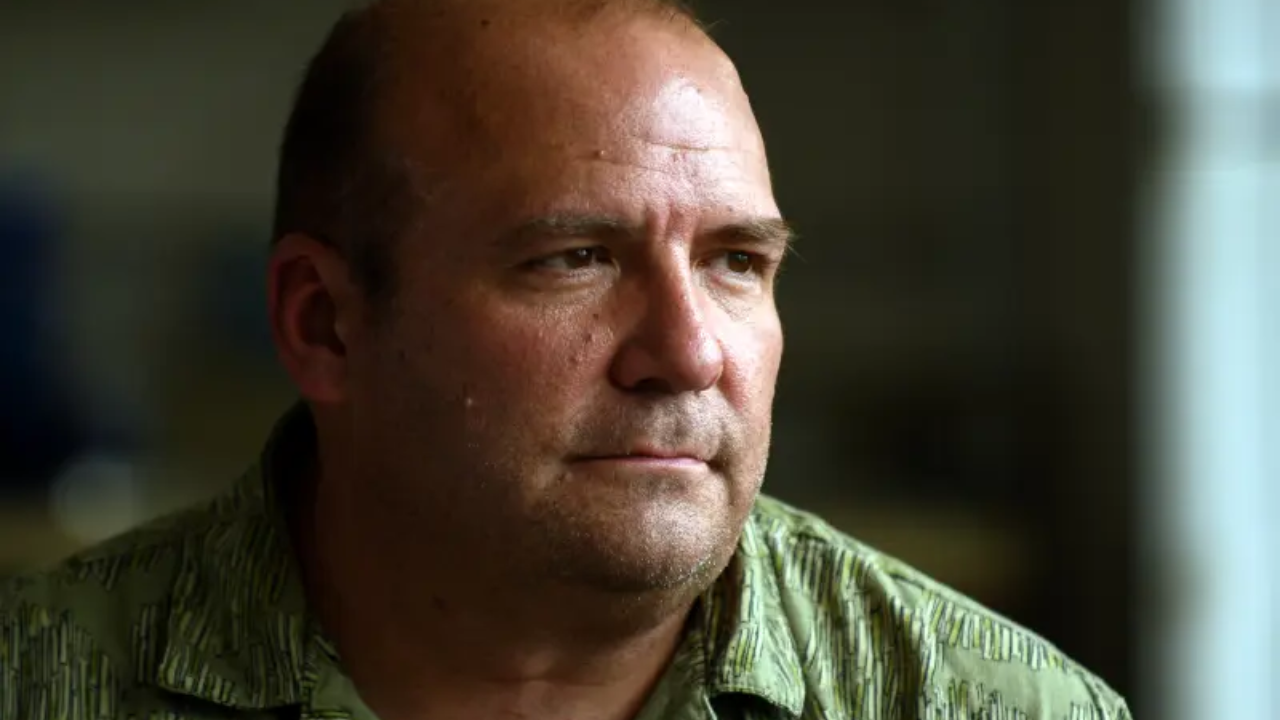
Army Major Stephen Ramsbottom, who survived a March 1 drone strike on a command post in Kuwait, filed a complaint with Congress alleging that senior military leaders were warned that the Port Shuaiba facility was not protected against aerial attacks and that those concerns were not addressed. Ramsbottom, who served as deputy chief of operations for the Army Reserve’s 103rd Sustainment Command, said the site was designed to withstand ground‑based threats but lacked the infrastructure to defend against drones. He described the incident as “a tactical failure by the Army, our leadership, and myself, all the way down to my level.” The strike targeted a tactical operations centre during the early days of Operation Epic Fury and killed six U.S. service members: Army Reserve Capt. Cody Khork, 35; Sgt. 1st Class Noah Tietjens, 42; Sgt. 1st Class Nicole Amor, 39; Sgt. Declan Coady, 20; Maj. Jeffrey O’Brien, 45; and Chief Warrant Officer Three Robert Marzan, 54. Ramsbottom said he raised the lack of protection with Maj. Gen. John Hinson, CENTCOM’s logistics officer, who reportedly replied, “We don’t have to worry about protection.” He also claimed that personnel at Port Shuaiba requested a counter‑drone system that never arrived. The complaint noted gaps in emergency medical facilities, citing the absence of a physician, a permanent aid station and only one ambulance. Senior U.S. defense officials have issued different statements. Secretary of Defense Pete Hegseth said the site was protected but acknowledged a drone had penetrated the defenses, calling it a “squirter.” Pentagon spokesperson Sean Parnell denied CBS News’ reporting, stating the tactical operations centre was not a makeshift office and that it had been reinforced with six‑foot walls.
Frequently asked questions
What was the main allegation made by Army Major Stephen Ramsbottom?
He alleged that senior military leaders were warned that Port Shuaiba was not protected against aerial attacks and that those concerns were not addressed, leading to a drone strike that killed six U.S. service members.
How many U.S. service members were killed in the March 1 drone strike?
Six U.S. service members were killed: Army Reserve Capt. Cody Khork, Sgt. 1st Class Noah Tietjens, Sgt. 1st Class Nicole Amor, Sgt. Declan Coady, Maj. Jeffrey O’Brien, and Chief Warrant Officer Three Robert Marzan.