World
Eisenkot’s Potential Coalition Faces Questions Over Right‑Wing Stance
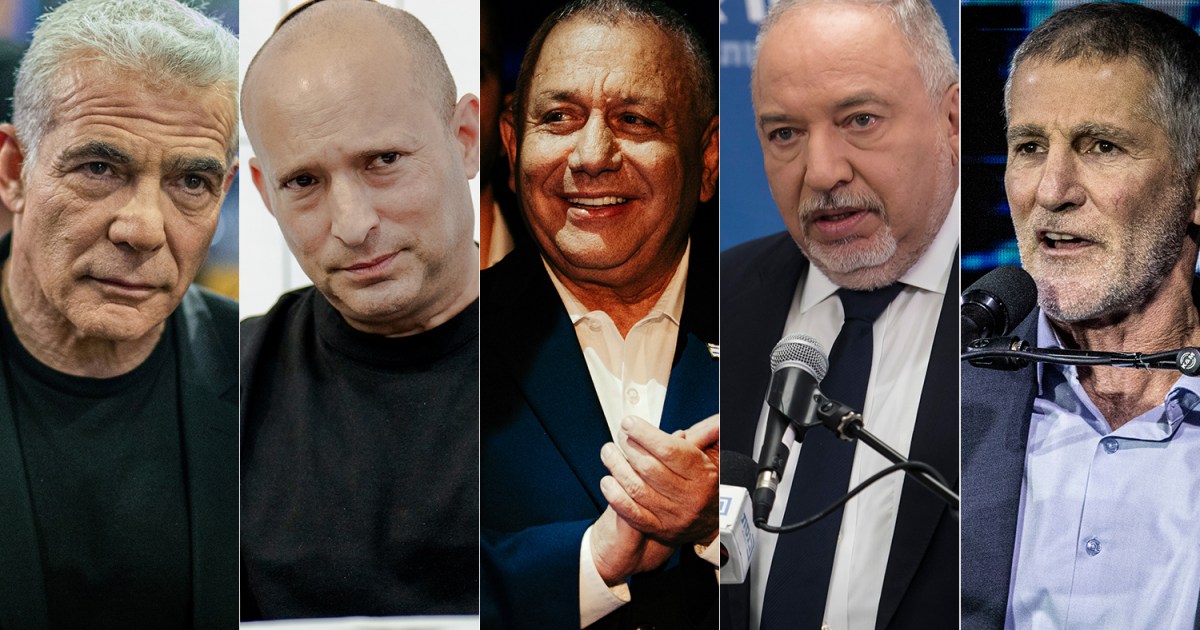
Former military chief Gadi Eisenkot is expected to form a coalition that could break with the far‑right policies of the previous Netanyahu administration. The current caretaker government, led by Benjamin Netanyahu, has brought far‑right figures into power, pursued aggressive settlement expansion in the occupied West Bank, and sought to weaken judicial oversight. Israeli academic Roi Zur notes that Likud sits further to the right than most conservative parties in Europe and now resembles a far‑right party. Eisenkot and his opposition bloc have pledged to repeal Netanyahu’s judicial overhaul, establish a state commission of inquiry into security failures before the October 7, 2023 Hamas‑led attack, and end the draft exemption for many ultra‑Orthodox youth in defiance of a 2024 Supreme Court ruling. The bloc’s main leaders are Eisenkot of the Yashar Party, Naftali Bennett and Yair Lapid of the B’Yachad Party, Avigdor Lieberman of Yisrael Beiteinu, and Yair Golan of the Democrats. Eisenkot is seen as a centrist security hawk who supports the war in Gaza, has a pro‑market economic platform, and rejects the establishment of a Palestinian state while backing illegal settlements. Bennett opposes Palestinian statehood and has advocated annexing 60 % of the West Bank; Lapid supports a two‑state solution only in the long term. Lieberman backs settlement expansion and has made incendiary remarks about Palestinians. Golan, who leads the Democrats—a merger of the centre‑left Labour and the left‑wing Meretz—holds liberal, progressive, dovish, secular positions. Analysts say that while the new coalition may appear more moderate internationally, its members largely share right‑wing positions on Palestinians. The United Kingdom’s Royal United Services Institute notes that Israel’s occupation of roughly 7,252 km² of Palestinian and Syrian territory and control over 5.5 million Palestinians without voting rights make it unlikely to be considered progressive or liberal. The shift toward the right in Israeli society has accelerated after the October 7 attack, and experts warn that even without Netanyahu, the broader political spectrum remains aligned on occupation and Palestinian rights, making a liberal government unlikely in the near term.