World
Israeli Court Extends Detention of Palestinian Land Defender Ghassan Najjar
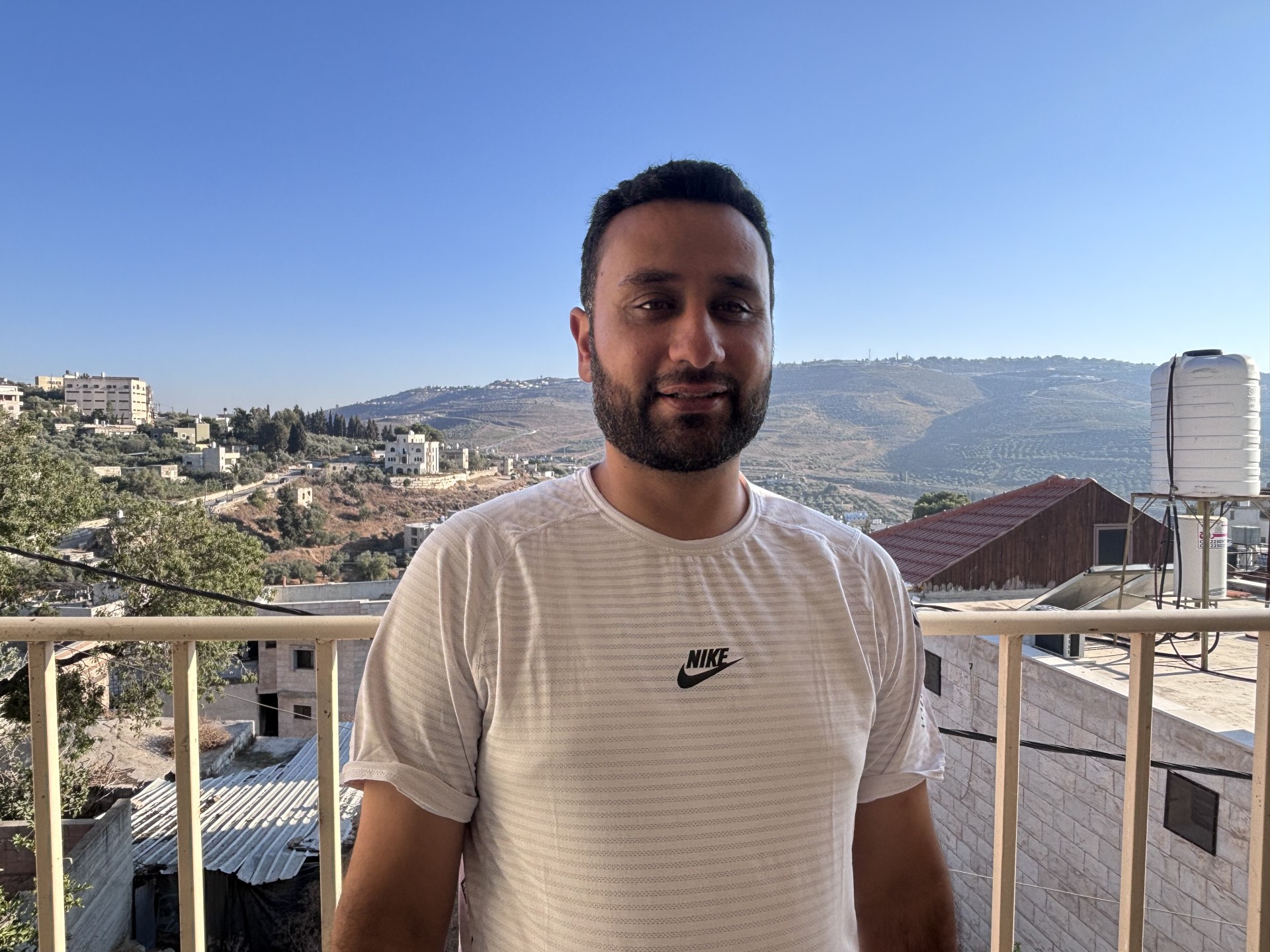
An Israeli military court has upheld a four‑month administrative detention order against Palestinian land activist and farmer Ghassan Najjar, who will remain in Ofer Prison until at least February 26 next year, with the possibility of an extension. Najjar was arrested during a pre‑dawn raid on Burin village, south of Nablus, on October 27 and has been held in administrative detention since. The authorities have not provided a reason for his arrest, as the legal framework allows it. Najjar, a veteran grassroots organiser, has spent nearly a decade in Israeli prisons, much of it under administrative detention, and has faced a travel ban since 2011. The Institute for Middle East Understanding (IMEU) told Al Jazeera that he was detained because he intended to harvest olives on his land and help other Palestinian farmers do the same. Israel’s security agency Shin Bet reportedly warned Najjar, cofounder of Burin’s Land and Farming Agricultural Cooperative, that he would be arrested if he did not stop organising with grassroots groups and Western activists. The olive harvest in the occupied West Bank is a key target of attacks by Israeli settlers, which have increased this year. The United Nations and other international voices have urged Israel to ensure Palestinian farmers’ protection and safe access to their land. B’Tselem, an Israeli human rights group, notes that administrative detention allows Israel to detain people without charge or trial, leaving detainees “helpless.” Following the court’s decision, Najjar will remain in Ofer Prison until at least February 26, his sister Suha Najjar told Al Jazeera. An Israeli military court will review his case and decide whether to extend the term. Suha said the decision was unjust and deeply upsetting, adding that her brother has been placed under administrative detention for four months without any charges and that the detention could be renewed. Earlier this month, Amnesty International called for Najjar’s immediate release, accusing Israel of detaining him solely for his peaceful activism to protect the olive harvest season in Burin. The rights group expressed concern that the family cannot visit or see him, increasing their anxiety about his physical and psychological well‑being. Amnesty urged states with leverage to pressure Israel to release all arbitrarily detained Palestinians, including Najjar, and to end the use of administrative detention.