World
Israeli Settlers Seize Eight Homes in Jericho, Prompting Palestinian Residents’ Fear of Further Takeover
By Nour Odeh
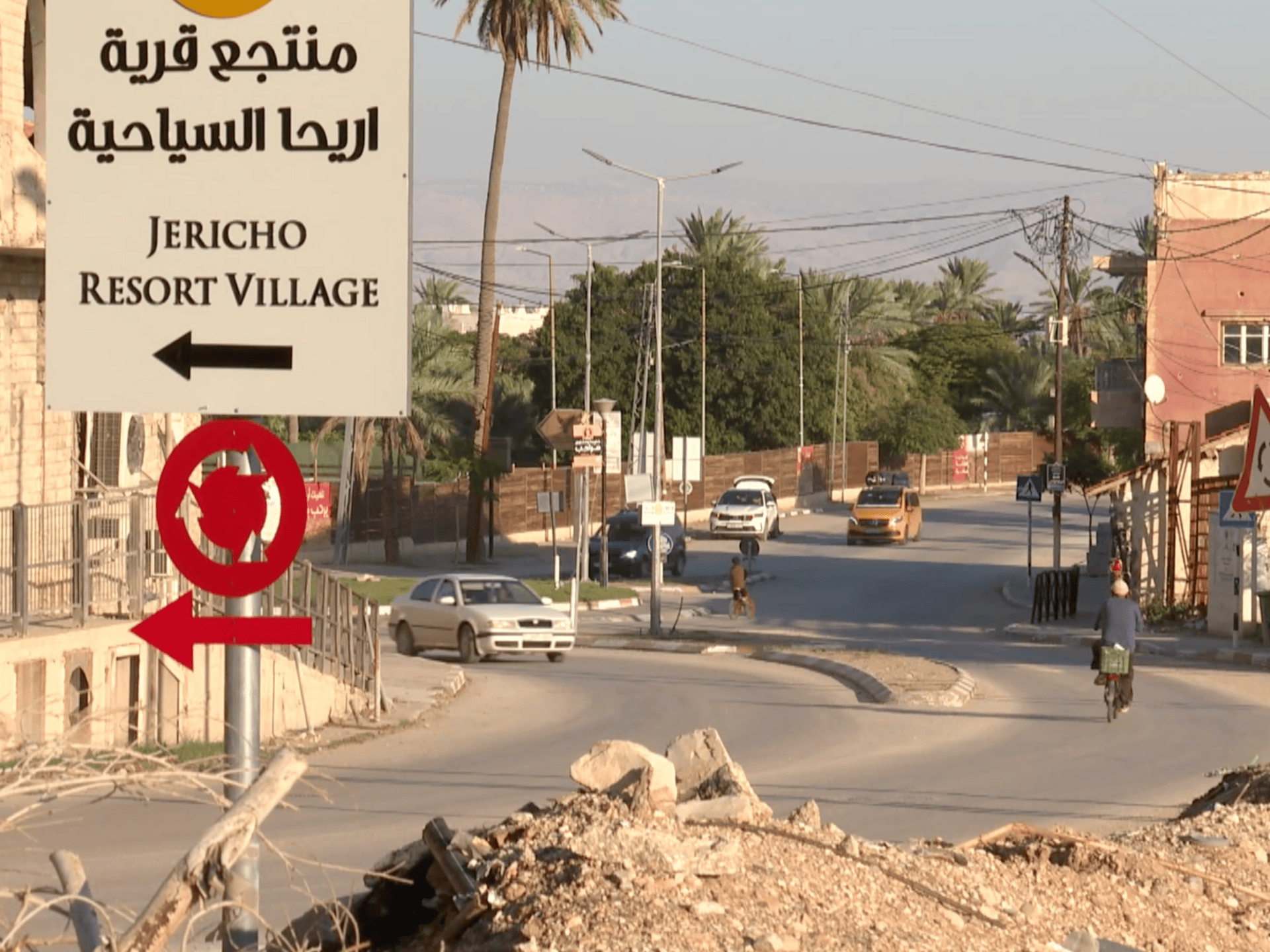
On November 4, Israeli settlers seized eight Palestinian homes in Jericho’s Diyouk al‑Tahta area after a months‑long operation led by the Nachala settler movement and supported by the northern West Bank settlement council. Residents reported that settlers had barred Mustafa from his land, beaten him and his elderly father—who required hospital treatment—and assaulted his uncle and cousins. Other Bedouin families in the area were also attacked and forced to leave their homes during the pogrom. Many of the houses were subsequently razed by settlers, a practice illegal under international law.
While speaking with Mustafa, a settler’s car passed quickly, and a settler later slapped a child who was riding a bike. The child, who could not speak Hebrew, described the incident as a surprise attack.
The homes taken over were under Israeli demolition orders. A government decision this year allowing settlers to purchase Palestinian property in Palestinian‑controlled areas has enabled settlement outposts to appear within cities, bringing Israeli army presence and movement restrictions to places like Jericho. In other areas, such as East Jerusalem and Hebron, settlers have claimed ownership based on alleged purchases or historical Jewish ties, but Palestinian owners often lose their homes in court.
Jericho is governed by the Palestinian Authority, which has opened an investigation into the takeovers, seeking to determine whether any sales to settlers facilitated the seizures. Several arrests have been made. Palestinian law prohibits selling homes in the West Bank to Israelis, and legal experts say such sales would be illegal under both Palestinian and international law.
Mahmoud Abu Fkheida, a farmer whose land was inherited through generations, said the campaign feels like an attempt to uproot Palestinians as seen in other villages across the West Bank. He expressed fear for his farm and home, worried that any phone call could signal an attack.
During filming, settlers—some wearing cloth hoods—ambushed the reporters, demanding they leave. The settlers were armed and had Israeli army protection. The reporters were forced to retreat toward homes still inhabited by Palestinian owners.
Jericho’s economy relies on tourism; today the cable cars to the Mount of Temptation ran empty, and city facilities were deteriorating. A new settlement on the eastern edge of the city now towers over the rubble of Palestinian villas, leaving fields barren.
Abdel Qader Abu Khashan, a resident, said the situation in Jericho signals a bleak future for Palestinians, describing the loss of homes and hope.
At Diyouk al‑Tahta, children played near their homes despite the surrounding settlers, unaware of the hardships that may shape their future.
Frequently asked questions
How many Palestinian homes were seized in Jericho's Diyouk al‑Tahta area?
Eight homes were seized.
On what date did the Israeli settlers seize the homes?
The seizure took place on November 4.