Technology
AI Shortens Early‑Stage Cancer Drug Discovery to Months, Says Manas AI CEO
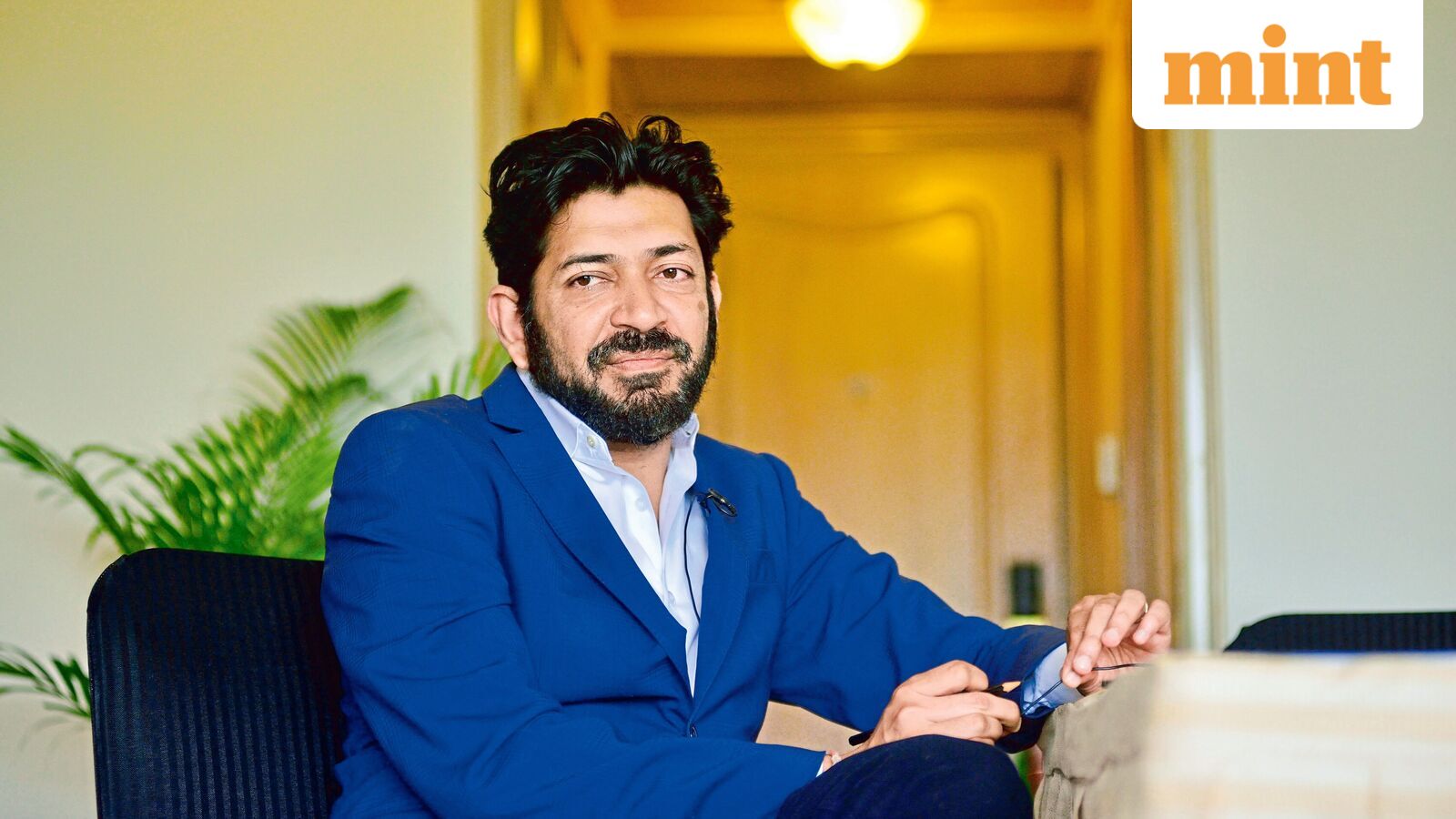
New Delhi – Artificial intelligence is reducing the time required for early‑stage cancer drug discovery from nearly eight years to three or four months, Dr. Siddhartha Mukherjee, oncologist, co‑founder and CEO of Manas AI, told the Hindustan Times Leadership Summit 2026 in New Delhi. Mukherjee, who is also an associate professor of medicine at Columbia University, said that the pharmaceutical industry has long struggled with rising development costs and fewer new drug approvals, a trend known as Eroom’s Law.
Manas AI uses machine learning combined with basic principles of physics and chemistry to identify weak spots on disease‑causing proteins and then builds new drug molecules from scratch. The company’s algorithms can locate a target spot on a pancreatic cancer protein in about two hours, a task that previously took human researchers a decade. By pairing AI‑driven molecular design with automated robotic lab testing, each design‑and‑test cycle takes three weeks, producing experimental cancer candidates up to 200 times stronger than existing competitor drugs.
Mukherjee cautioned that cancer cannot be cured in one fell swoop because each cancer is biologically distinct. While progress has been made against breast cancer, leukemia, and lymphoma, complex diseases such as pancreatic and stomach cancers remain formidable challenges. He also noted that speeding up early lab discovery is only half the battle, as human clinical trials, manufacturing, and regulatory approvals still take years and drive up costs. "AI buys time and cost in the front end, but what it does not change yet is the cost of running a trial and the regulatory clock," he said.
The CEO urged India and China to streamline testing rules without compromising safety checks, believing that with appropriate regulatory and technological reform, these countries could reverse Eroom’s Law.
Mukherjee highlighted the impact of his Bengaluru‑based cell‑therapy company, Immuneel Therapeutics, which he co‑founded with Kiran Mazumdar‑Shaw. By placing an automated, hospital‑adjacent manufacturing facility next to doctors and using AI‑designed binders, the team developed customized blood‑cancer treatments costing roughly $35,000 in India compared with $500,000 in the United States. The company successfully cured patients such as a young boy from Kolkata who had exhausted all standard leukemia therapies.
According to the World Health Organization and its cancer research agency (IARC) 2026, the world sees an estimated 20.6 million new cancer cases and nearly 10 million deaths each year. In India, the same report estimates 1.56 million new cases and over 900,000 deaths annually, with 3.32 million people living with the disease over a five‑year period. Separate data from the Indian Council of Medical Research (ICMR) projected 1.57 million cases for 2025, noting that one in nine Indians faces a lifetime cancer risk.
Frequently asked questions
How long does it take Manas AI to locate a target spot on a pancreatic cancer protein?
About two hours.
What is the cost difference for blood‑cancer treatments between India and the US?
$35,000 in India versus $500,000 in the United States.
How many new cancer cases are estimated worldwide in 2026?
20.6 million new cancer cases.