Business & Finance
Labubu Craze Wanes as Pop Mart Sees Sharp Sales Decline
By Today News Hours Editorial Desk
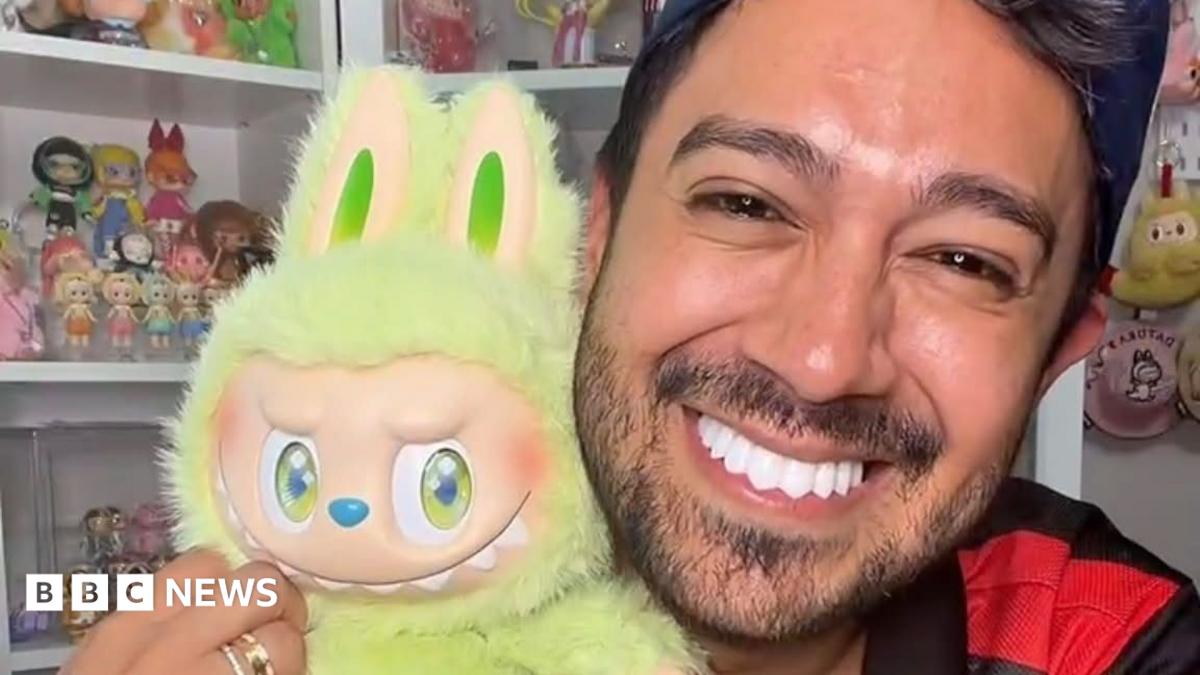
For years, Labubu dolls were a relentless hit. Collectors of all ages eagerly bought "blind boxes"—sealed mystery packages containing the quirky monsters—often paying $15 (£11) or more. Those who missed their desired characters turned to the resale market, where prices could climb even higher.
The craze even inspired a North Carolina tech worker, known online as Ensito, to quit his job in 2024 and devote himself to Labubu content creation. He has travelled to Italy and Spain to hunt the latest releases, spent more than $50,000 (£37,000) on a collection of over 400 Labubus, and even had custom Labubu‑style jagged teeth made by a dentist for events. Yet his once‑viral videos now struggle to reach the 10,000‑view mark he once achieved.
Ensito has shifted his focus to other trends such as Hello Kitty and squishies, signalling that the hype which made parent company Pop Mart worth more than US toy giants Hasbro and Mattel combined may be losing momentum. Analysts say the Beijing‑based brand is struggling to sustain excitement beyond a single viral moment.
Pop Mart reported that global sales in the three months to the end of September fell by as much as 50% compared with the previous year. The decline was especially steep outside mainland China, with US revenue down by at least 70%.
Pop Mart did not invent blind boxes, but its dolls helped popularise the format worldwide. The sales tactic made collecting feel "nostalgic," evoking the joy of opening gifts as a child, says marketing professional Katelynn Carlson, who discovered Labubus on social media and now owns 36 of them. One of her first Labubus was a rare doll, making the experience "even more exciting," she adds.
Labubu, launched in 2019, has been Pop Mart's most successful toy line. The monsters became fashion statements, worn by celebrities such as Kim Kardashian and Blackpink's Lisa. They regularly attracted long queues and were so popular that Pop Mart temporarily pulled the toys from its UK shops after reports of customers fighting over them. One fan paid more than $150,000 for a human‑sized Labubu.
A key part of the allure was how difficult some Labubu dolls were to find, with fans repeatedly buying blind boxes to obtain the version they wanted, says National University of Singapore marketing lecturer Samer El Hajjar. Pop Mart now operates 500 shops in more than 30 countries and 2,000 vending machines worldwide. The firm, listed in Hong Kong in 2020, is worth nearly $24 bn and remains one of the world’s most valuable toymakers, despite its shares falling by more than 50% from last year’s peak.
Investors worry that its global success was driven by a viral moment rather than sustainable growth based on long‑term customer loyalty, El Hajjar says. For Ensito, the dolls’ exclusivity helped fuel the craze. "Now it doesn't feel that way. I walk into a Pop Mart and there's a whole series of Labubus sitting there," he says.
Ashley Dudarenok of China research firm ChoZan says that the sense of exclusivity faded as Pop Mart ramped up production to meet demand. Pop Mart declined to comment on share‑price moves and did not respond to questions about falling sales.
As the Labubu mania cools, rivals have gained popularity. Blind‑box collectibles such as Sonny Angels—tiny, unclothed cherub‑like dolls—and miniature glow‑in‑the‑dark Smiski figurines have been flying off shelves. My Little Pony and K‑Pop Demon Hunters are also available in blind boxes. Miniso, founded in Guangzhou, sells a range of blind‑boxed Disney and Marvel characters in more than 8,000 shops worldwide. "Consumers aren't particularly concerned about where the brand comes from," Miniso executive Vincent Huang said earlier this year. "They're more focused on the shopping experience—designs, value for money, and enjoyment."
Experts say one of Pop Mart's biggest challenges is creating enduring characters. Hello Kitty brand Sanrio, which posted record earnings in the year to March, has a clear advantage in that area, analyst Boustani suggests. Pop Mart has invested heavily in brand growth, including a theme park in Beijing and a Labubu film, following the footsteps of franchising giants like Disney or Lego. But unlike Disney, which sells a story before it sells a toy, Pop Mart is working in reverse, says Dudarenok. "The real test for next year is whether Pop Mart can make people love a character without a celebrity holding it."
After spending huge sums on the monsters, collector Ensito says he is now questioning how much time and money people invest in collections each time a new trend emerges. "There's always going to be a trend every year. There's always gonna be something that's gonna be really popular," he says.
Melbourne‑based content creator Lawrence Yu says that after two years of chasing Labubus, he is likely to be "more selective" before adding to his roughly 50 dolls. His Labubu shopping and unboxing clips once drew up to a million views, but the frenzy has faded and Yu rarely makes videos about them now. "I definitely think the trend has slowed down… People go crazy and then it fizzles."
Clara Barbero from Canada believes Labubus are a "dead trend" but is still keeping an eye out for interesting releases. "I’m curating my collection more and only buying what I see myself liking for the next few years, and not just buying the newest series that’s out."
But the fluffy monsters still have truly devoted fans. Hedy Khaled from Liverpool says that although the hype around the dolls is cooling, she is just as attached to her collection of 70 Pop Mart figurines. "There's a distinction between those who chase trends and 'real fans'," she argues, so falling sales do not necessarily mean Labubus have lost their appeal.
For Carlson, it is the happiness the dolls bring, not the viral trend, that keeps her collecting. She still gets excited about new Pop Mart releases, such as its recent cat‑themed Labubu series, which has become one of her favourites. "I think there's something special about embracing our inner child and enjoying things simply because they make us happy."