Business & Finance
Bombay High Court Allows Tata Sons Board Meeting to Proceed, Rejects Interim Relief for Tata Trusts
By Swati Deshpande,Reeba Zachariah
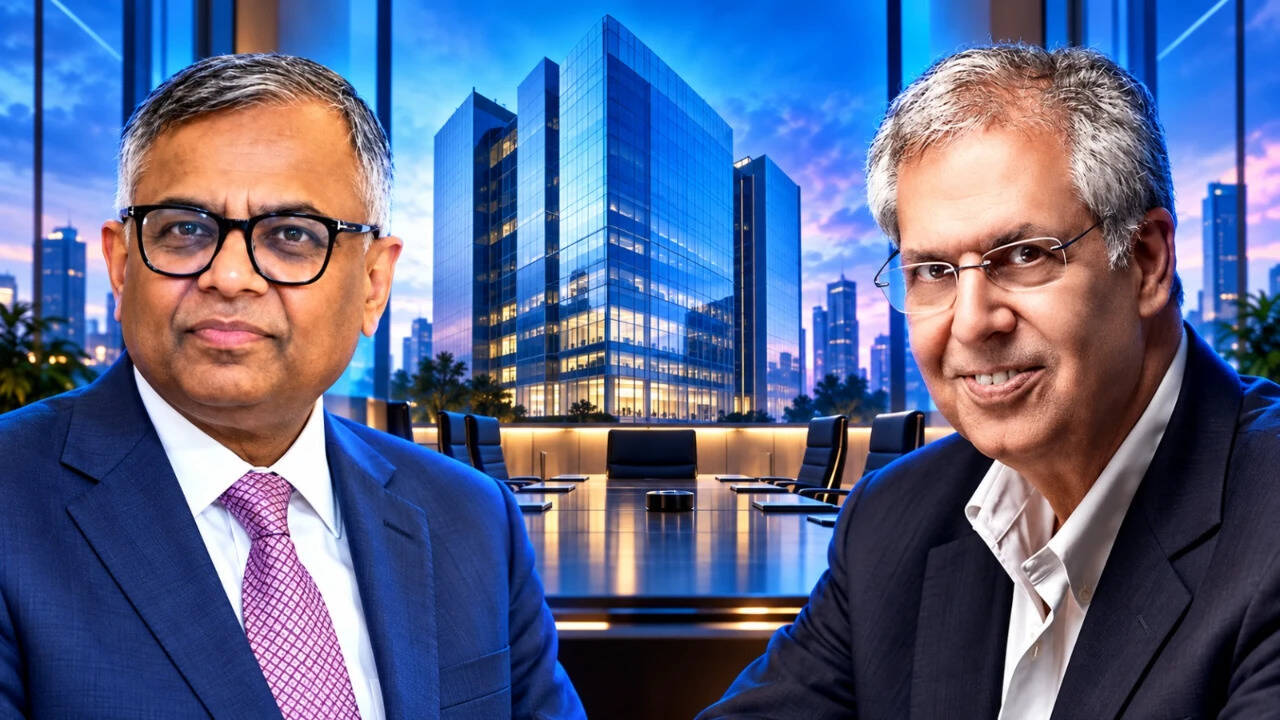
The Bombay High Court on Friday denied interim relief to Tata Trusts and declined to stay or defer the board meeting of Tata Sons scheduled for November 30. The meeting is set to confirm the September 17 resolution that reappointed N Chandrasekaran as executive chairman for a third five‑year term. Justice Abhay Ahuja, sitting alone, ruled that the meeting could go ahead as planned and that all decisions and resolutions passed will be subject to the court’s final orders.
The November 30 agenda includes the RBI’s listing directive, the conversion of Tata Sons into a public company, amendments to its articles, an extraordinary general meeting on Chandrasekaran’s reappointment, a funding request from the Shapoorji Pallonji Group, and Noel Tata’s proposal for a merger to avoid an IPO. All resolutions except the merger proposal are expected to secure a majority. Noel Tata is expected to vote against them, while Venu Srinivasan, the Trusts’ other nominee, is expected to vote in favour. On the merger proposal, the positions are expected to be reversed.
The court questioned whether the meeting should be deferred or whether Chandrasekaran should be allowed to cast his vote as executive chairman for a second term. Justice Ahuja noted that Chandrasekaran’s third term does not begin until February 27, 2027, and that his current term ends in February 2027. The High Court will hear the matter again on January 21, 2027.
The two Tata Trusts—Sir Dorabjee Tata Trust (SDTT) and RDTT—along with Noel Tata, argued for interim relief to prevent the chairman from exercising a casting vote when the Trust nominee directors Venu Srinivasan and Noel Tata differ on proposals. Senior counsel AM Singhvi, Aspi Chinoy, Mukul Rohatgi and Janak Dwarkadas represented the Trusts. They contended that allowing a casting vote would allow the company to be hijacked by non‑shareholders and would undermine the company’s articles.
Tata Sons and five of its directors were represented by senior counsel Harish Salve from London and Ravi Kadam. They opposed the deferment or stay, arguing that the Trusts’ real aim was to control the company according to Noel Tata’s wishes. Salve said that the Trusts were attempting to hold the board hostage and that the provision for a casting vote applies to both general and nominee directors.
The Trusts hold a 66% stake in Tata Sons and had filed two suits seeking a declaration that the chairman cannot use a casting vote when nominee directors differ, as Article 121 of the company’s Articles of Association requires an affirmative vote by majority. The September 17 resolution was passed 4:1 with acting chair Harish Manwani casting the tie‑breaking vote as Chandrasekaran abstained.
The High Court will decide the dispute next year. Tata Sons, represented by DMD Advocates, welcomed the interim order, while the Trusts, represented by Cyril Amarchand Mangaldas, were relieved that the court had not denied them any relief, though they will appeal to a division bench of the High Court.
Frequently asked questions
What was the outcome of the Bombay High Court's decision regarding Tata Trusts' request?
The court denied interim relief to Tata Trusts and allowed the Tata Sons board meeting to proceed as scheduled.
When is the next hearing scheduled for the dispute?
The High Court will hear the matter again on January 21, 2027.