Business & Finance
OPay Cancels US IPO After Foreign Inquiry, Delaying Planned Investment
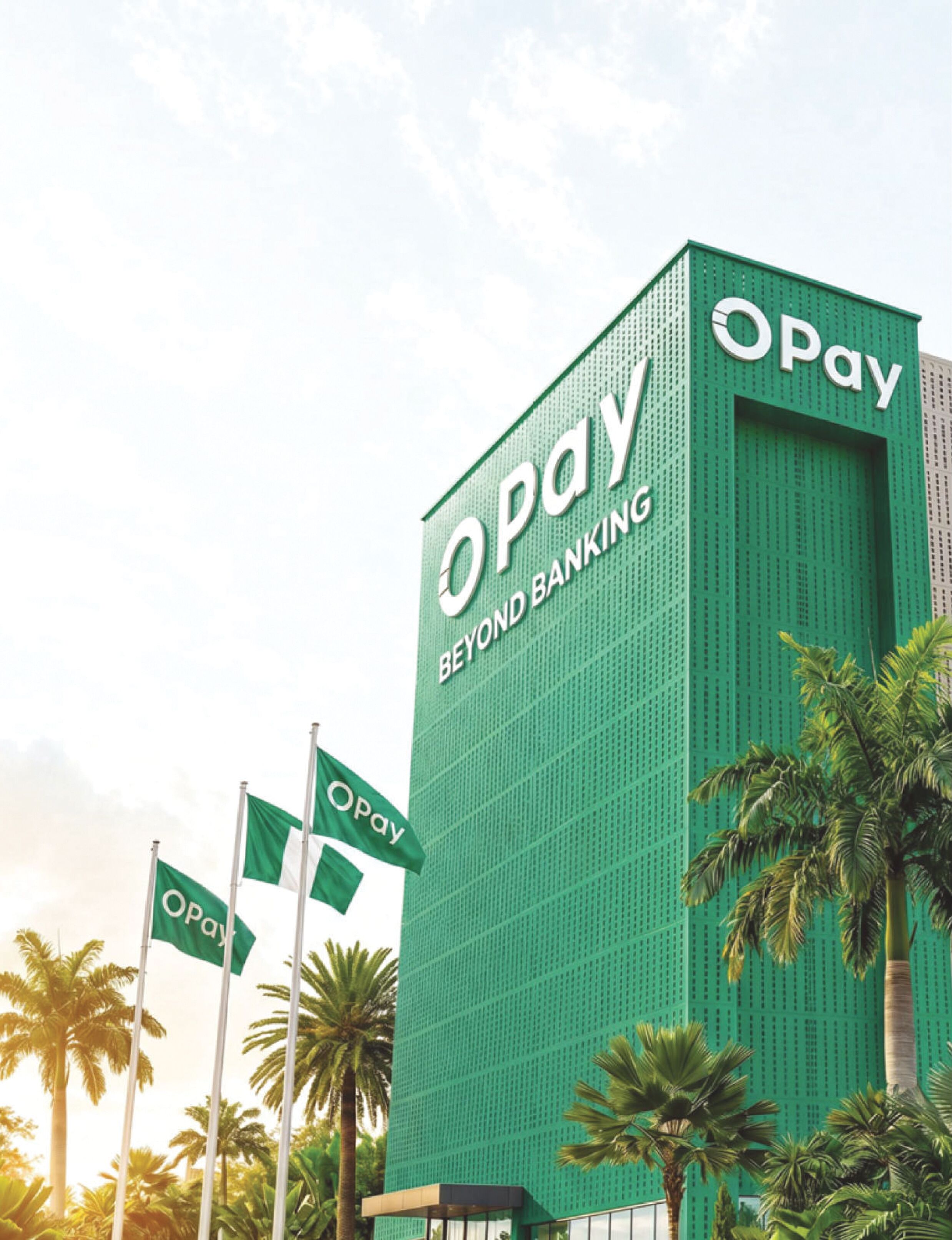
OPay withdrew its planned U.S. initial public offering after an inquiry from an unnamed foreign jurisdiction. Bloomberg later reported that the inquiry came from a Chinese regulator. The proposed $304 million offering never closed, and OPay’s shares did not begin trading. Standard Bank’s planned investment was contingent on the IPO completing. OPay had priced 16 million American depositary shares at $19 each, the lower end of its proposed $19‑to‑$21 range, but the company and its underwriters terminated the offering before trading began, so the sale was not completed and the proceeds were not received.
In its filing with the U.S. Securities and Exchange Commission, OPay said the inquiry related to a jurisdiction it considered immaterial to its business operations. It did not name the jurisdiction, regulator or subject of the inquiry. OPay said it expected the matter to be resolved and that it would not affect its operations or customer service in Nigeria and other markets.
On 4 November, Bloomberg reported, citing people familiar with the matter, that a Chinese regulator had made inquiries about OPay. The company’s public filing does not identify China, so the regulator’s questions and the reasons for them have not been disclosed.
Before the withdrawal, OPay’s IPO prospectus addressed whether it might need approval from Chinese authorities to list in the U.S. The company said its legal advisers believed it did not need to file with China’s securities regulator because it had no mainland China revenue in 2025 and its business and operating assets were outside mainland China. The prospectus also warned that uncertainty remained over whether Chinese approvals could be required for a U.S. listing in the future. The filings therefore show that OPay had considered potential Chinese regulatory requirements before the IPO, but they do not establish that the Chinese inquiry concerned its listing or that U.S. regulators stopped the offering.
OPay’s stated reason for withdrawing was an inquiry from an unnamed foreign jurisdiction. The listing had drawn attention because of OPay’s scale in one of Africa’s largest economies. The company’s prospectus reported U.S.$467 million in revenue for the first half of 2026, up from U.S.$197 million in the same period a year earlier. Nigeria accounted for U.S.$417.6 million, or 89.5 %, of that revenue. OPay also reported U.S.$90.9 million in net income for the six months.
The stalled offering also leaves the timing of Standard Bank Group’s planned investment uncertain. The South African lender said its investment was expected to close alongside or shortly after OPay’s IPO, subject to the offering being completed and regulatory approvals. The bank had also outlined plans to explore cooperation with OPay in areas including payments and digital financial services across African markets. The proposed listing and Standard Bank investment were detailed in OPay’s planned New York IPO, which was priced at $19 per share before being withdrawn. OPay has not announced a new timetable for the offering.
Frequently asked questions
Why did OPay cancel its US IPO?
OPay withdrew its planned US IPO after an inquiry from an unnamed foreign jurisdiction, later reported to be a Chinese regulator, and the offering was terminated before trading began.
What happened to Standard Bank’s planned investment?
Standard Bank’s planned investment was contingent on the IPO completing; with the IPO withdrawn, the timing of the investment is now uncertain.