Politics
Voters Reject Data‑Center Development in 40 of 41 Midterm Ballot Measures
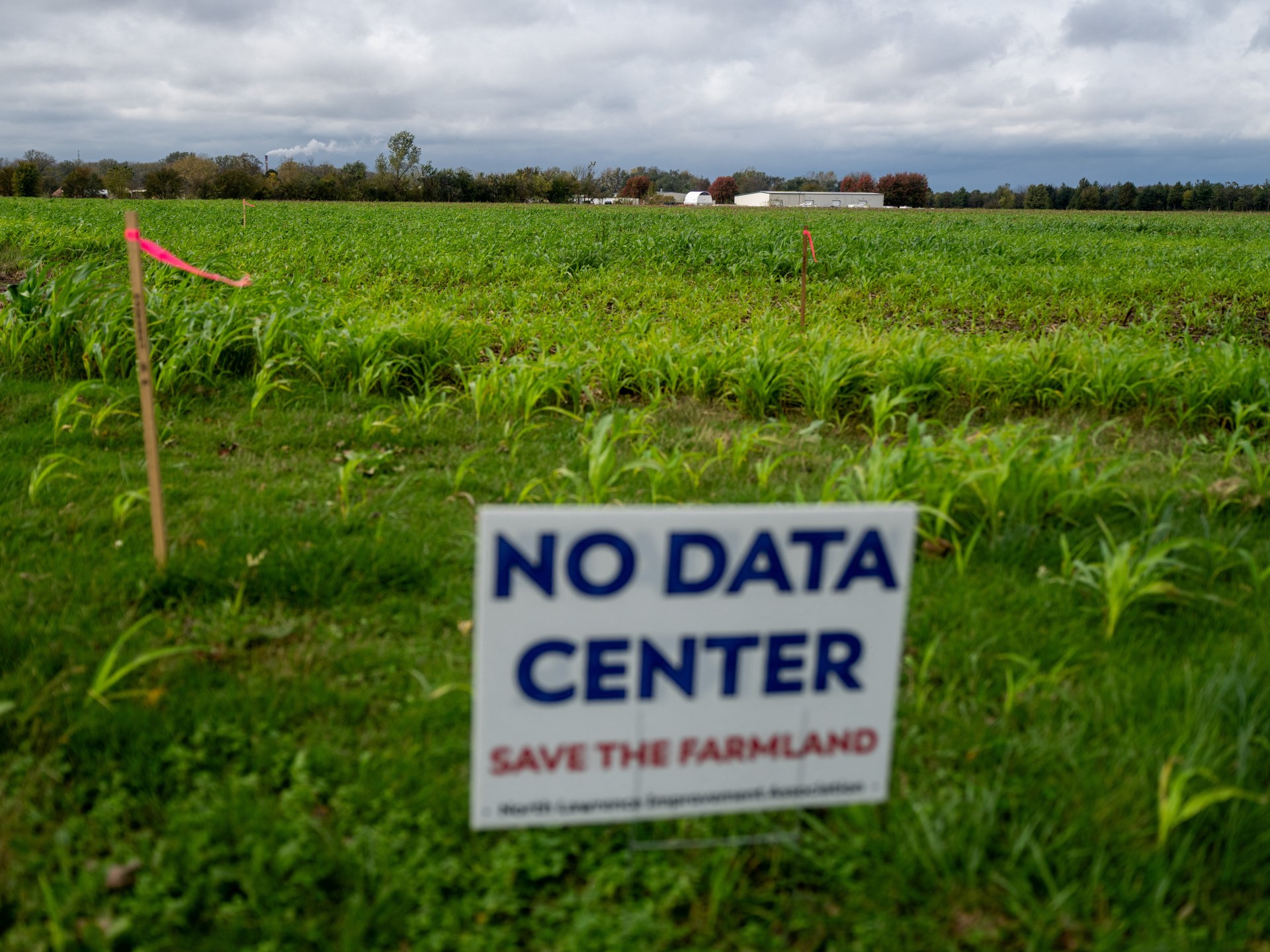
During the Tuesday midterm elections, voters rejected data‑center development in all but one of the 41 ballot measures that addressed the issue. A September poll had shown 70 percent of Democrats and 57 percent of Republicans supporting limits on new data‑centre construction, and the election results confirmed that sentiment. According to Data Centers on the Ballot, an election‑monitoring project run by Redbud Consulting, the measure that passed was in Harwood, North Dakota, a town of fewer than 800 residents. That measure would have required independent reviews of large industrial projects, such as data centres, before they could be built in the area.
Experts say the midterm outcomes illustrate that the debate over data centres has become a bipartisan issue tied to cost‑of‑living concerns and job stability. As of April, the Pew Research Center estimated that the United States had 3,000 data centres, with more than 1,500 in progress, largely driven by growth in the artificial intelligence (AI) sector. Bhaskar Chakravorti, dean of global business at Tufts University, told Al Jazeera that the rapid expansion of AI has raised worries about job displacement and the physical footprint of data centres in local communities.
Chakravorti added that data centres consume large amounts of water and energy, which critics say can drive up electricity costs for nearby residents. He cited a 2026 working paper from the Federal Reserve Bank of Dallas that estimated wholesale electricity prices had risen by 6.9 percent as a result of data‑centre demand. James Mercer, founder of Metro Colo Advisory, told Al Jazeera that voters were motivated by the prospect of higher electric bills.
The resistance to data‑centre development became a campaign issue for several high‑profile candidates. Democrat Sherrod Brown, who flipped a key Senate seat in Ohio, attacked Republican incumbent Jon Husted for his support of data‑centre projects. In Texas, Democrat Gina Hinojosa called for a moratorium on new data‑centre approvals until stronger protections for local communities were in place, and she defeated incumbent Greg Abbott in the governor’s race. Senator‑elect James Talarico, also a Democrat, pledged to increase data‑centre regulation and won Corpus Christi by a 12‑percentage‑point margin, proposing closed‑loop water systems and infrastructure improvements.
Democrats are expected to control both chambers of Congress after the election, and lawmakers are likely to increase scrutiny of the AI industry. Alex Turner, a former Google DeepMind researcher, told Al Jazeera that the new Congress would pursue real regulation and oversight. Senator Ed Markey of Massachusetts announced on social media that new probes into AI malfeasance would begin, while Yassamin Ansari of Arizona called for a pause on advanced AI development and a ban on artificial superintelligence.
Tech companies have responded to the election results. OpenAI released a framework titled "Setting a New Standard for Responsible AI Infrastructure," pledging to prioritize closed‑loop or low‑water cooling and to fund its own energy and infrastructure needs. The company also rebranded its data centres as "compute campuses".
The political shift is affecting Wall Street. Investors are increasingly wary of tighter AI oversight, and some of the sector’s biggest growth stocks have fallen. On Thursday, Nvidia lost $450 billion in market value in a single trading day, though it rebounded 4 percent on Friday, remaining down 6.8 percent over the previous five days. CoreWeave fell on Thursday before climbing 6.6 percent on Friday, ending the week down 16 percent.
Frequently asked questions
How many midterm ballot measures addressed data‑center development?
41.
Which measure passed and what did it require?
The measure in Harwood, North Dakota, would have required independent reviews of large industrial projects before they could be built.
What was the estimated rise in wholesale electricity prices due to data‑centre demand?
6.9 percent.