World
Trump’s Lawyers Seek to Overturn 34‑Count Hush‑Money Conviction in New York Appeals Court
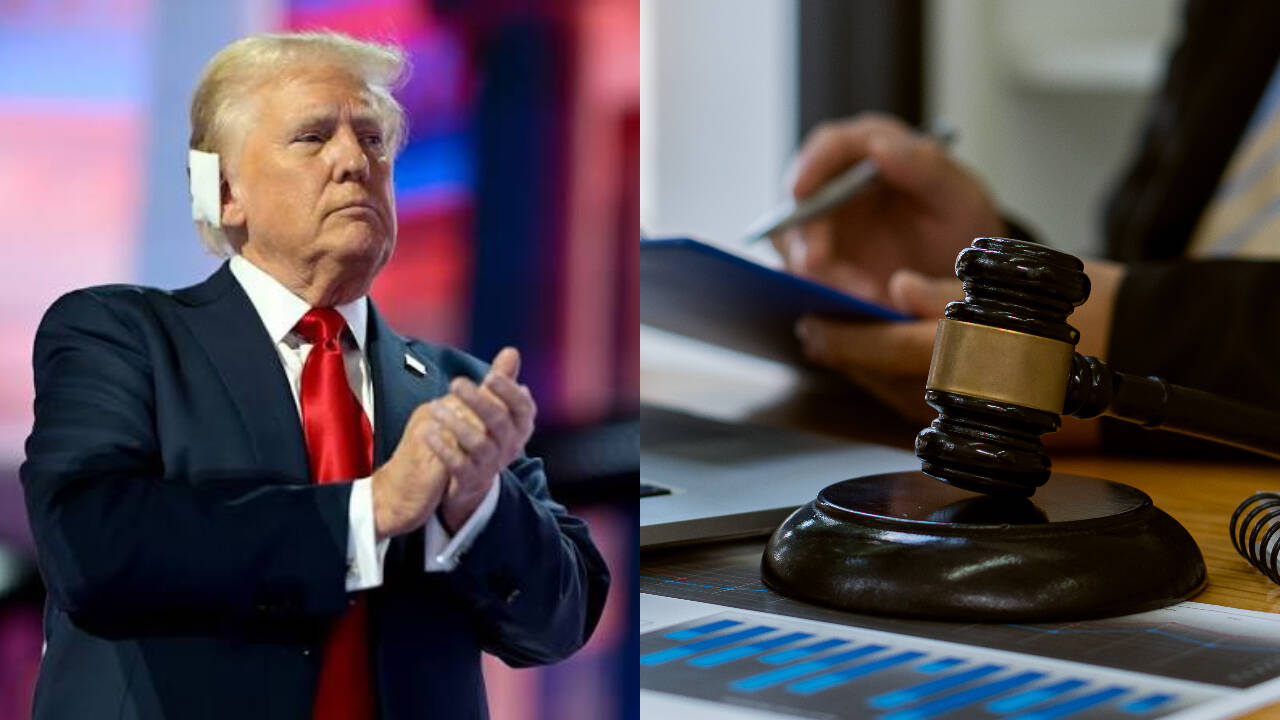
Nearly two years after a New York jury convicted former President Donald Trump on 34 felony counts related to a hush‑money payment before the 2016 election, his legal team is asking a New York appellate court to overturn the verdict. On Thursday, November 5, Trump’s attorneys presented arguments to a five‑judge panel that focused on presidential immunity, election law, and the evidence used at trial.
The case stems from a $130,000 payment made by Trump’s former lawyer Michael Cohen to adult‑film performer Stormy Daniels shortly before the 2016 election. The payment was intended to keep Daniels quiet about an alleged sexual encounter with Trump that the president has denied. Cohen was reimbursed by Trump’s company in 2017, and the payments were recorded as legal expenses. Prosecutors alleged that the business records were falsified to conceal a conspiracy to influence the election.
Trump’s lawyers argue that the prosecution improperly relied on the Federal Election Campaign Act (FECA) to elevate misdemeanors to felonies, contending that federal election law cannot form the basis of a state prosecution. They also challenge the jury instructions, claiming jurors should have been required to unanimously agree on the underlying crime that made the falsification charges felonies.
Another key issue in the appeal is evidence from Trump’s first term. The defense contends that testimony from former White House communications director Hope Hicks and Trump’s social‑media posts should have been excluded because they involved official presidential conduct protected by immunity. Hicks testified about discussions with Trump after the Daniels allegations became public in 2018, and the lawyers say the conversations concerned presidential duties such as managing press inquiries. Prosecutors, represented by Steven Wu for the Manhattan District Attorney’s office, argue that the conversations reflected Trump’s personal opinions rather than official duties.
The prosecution maintains that even if some evidence should have been excluded, its admission did not affect the outcome because other substantial evidence supported the conviction.
The five‑judge panel asked both sides questions throughout the hearing, including whether the cumulative admission of potentially improper evidence could still be considered harmless. Trump’s defense also challenged the requirement for jury unanimity on the underlying offenses, while prosecutors noted that the trial defense had previously accepted the judge’s approach.
The conviction, reached by a unanimous jury in May 2024, found Trump guilty on all 34 counts but imposed no penalty that would bar him from returning to the White House. Trump’s attempts to move the case to federal court have been unsuccessful; a federal judge denied his immunity dismissal request for the third time in August, and another appeal is scheduled for November 16. The New York appeals court has not yet issued a decision, leaving the historic conviction unresolved.