World
Lebanese Residents Prepare for Possible New Israeli Escalation
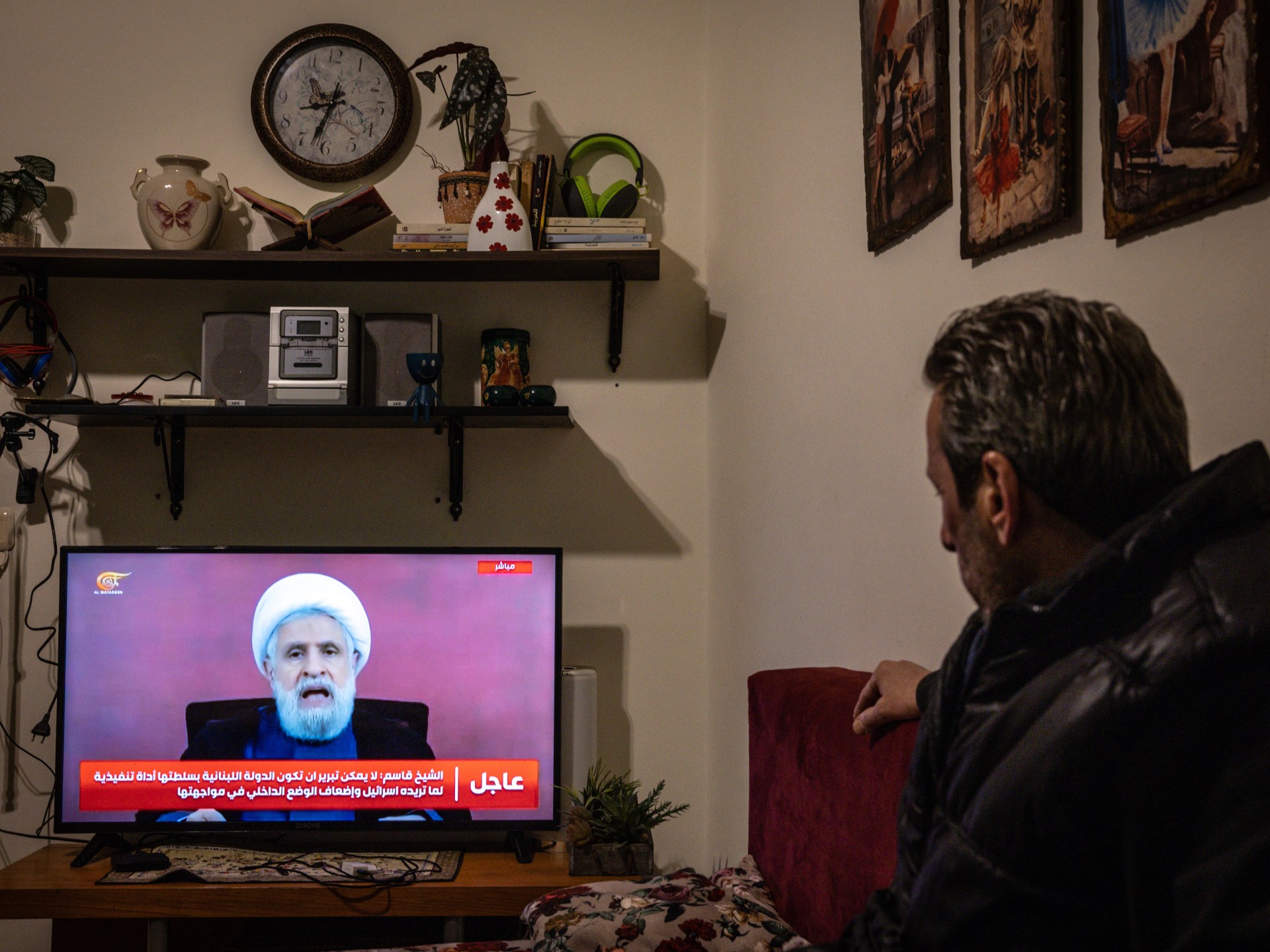
Lebanese residents are packing bags and stockpiling supplies as fears grow of a new Israeli escalation. In southern Lebanon, Aya, who lives in Abbasiyeh, stayed at home during Israel’s intensified attacks in March, even when a neighbour’s house was targeted. Although a ceasefire was announced in April and attacks have slowed, drones and explosions continue. Aya says her family has extra medication for her grandparents and she is ready to leave if attacks intensify again. She is also considering leaving Lebanon altogether.
Hezbollah and Israel have been at war since October 2023. According to the Lebanese health ministry, Israel has killed about 9,000 people in Lebanon, mainly during the autumn of 2024 and in March and April 2026. Israel has occupied up to 10 kilometres of territory, establishing a “Yellow Line” beyond which it continues to destroy towns and villages. A ceasefire was announced in April, just over a week after Israel launched more than 100 attacks in less than 10 minutes, killing more than 350 people. In June, Beirut and Tel Aviv signed a US‑brokered framework agreement to set up “pilot zones”, in which the Israeli military would withdraw and the Lebanese army would move in to disarm Hezbollah. After the ceasefire and agreement, active fighting eased, but Israel’s attacks and destruction of homes and infrastructure in southern Lebanon continue.
In July 2024, Ramez, who did not want to use his real name for security reasons, was in his bedroom in Beirut’s southern suburb of Haret Hreik when he heard loud explosions and the neighbouring building collapsed on his apartment. He has since stayed in his family’s second home, about a half‑hour drive southeast of Beirut, and keeps batteries, water and petrol tanks full. Other residents from Dahiyeh and the south keep go‑bags packed.
The World Bank expects inflation in Lebanon to rise to 17.5 percent this year, adding economic pressure. Analysts warn that repeated cycles of conflict could exhaust savings and goodwill, potentially leading to social unrest. Some families continue to pay rent for apartments in other parts of Lebanon to secure alternative accommodation in case another war breaks out, but that is a privilege not everyone can afford. Analysts also caution that another round of fighting could increase sectarian tensions, as Israel has tried to foment internal strife in Lebanon by warning non‑Shia communities in the south against hosting displaced people. The combination of economic hardship and potential sectarian conflict is seen as a combustible mix that could explode unexpectedly.
Frequently asked questions
How many people has Israel killed in Lebanon according to the Lebanese health ministry?
About 9,000 people, mainly during the autumn of 2024 and in March and April 2026.
What is the "Yellow Line" mentioned in the article?
A line up to 10 kilometres of territory occupied by Israel, beyond which it continues to destroy towns and villages.
What does the World Bank expect for inflation in Lebanon this year?
The World Bank expects inflation to rise to 17.5 percent.