World
Iran Grants Passage to Indian, Chinese, Qatari, Iraqi Ships Through Hormuz Amid US Blockade
By Nils Adler
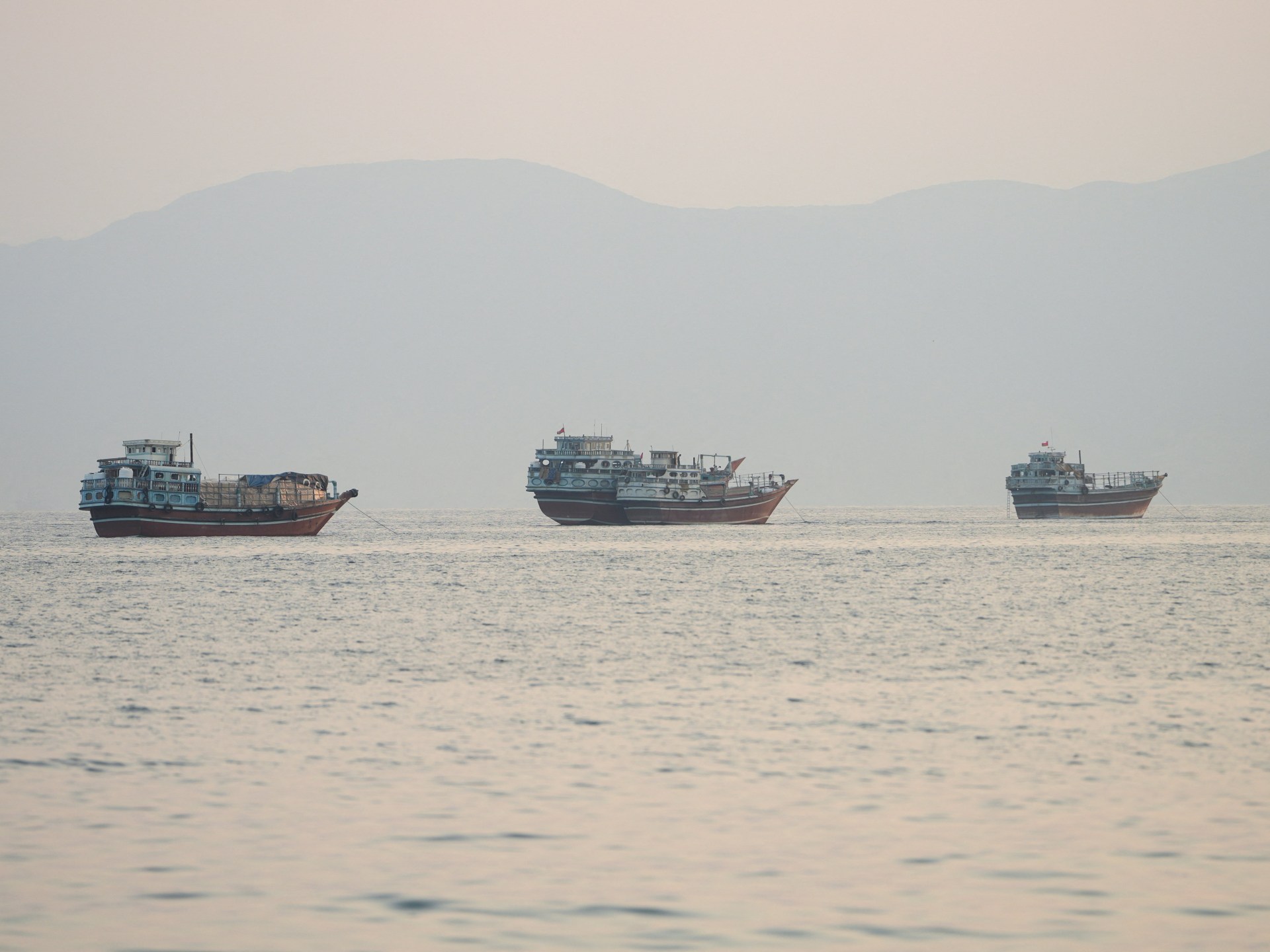
Iran has announced that ships from India, China, Qatar and Iraq may cross the Strait of Hormuz without interference, a senior Iranian lawmaker said on Tuesday. Amir Hayat Moqaddam, deputy chairman of the Iranian parliament’s National Security and Foreign Policy Committee, told the Iranian Students’ News Agency (ISNA) that vessels from these countries pass freely and that the United States does not intercept them. Iran shut the strait early in the US‑Israel war that began on February 28, and the United States re‑imposed a naval blockade on Iran’s southern ports in July.
Moqaddam said Tehran will receive medicine from India and political backing from China, and that it will collect transit fees from Indian and Chinese ships while Qatari vessels pass free. He did not specify whether Iraqi ships will pay a toll.
Analysts say the exemptions are a form of bartering. Rouzbeh Parsi of Lund University’s Department of History and Human Rights Studies told Al Jazeera that Iran has long used trade deals to circumvent sanctions. Nader Hashemi of Georgetown University suggested that Iran is likely charging a transit fee or a percentage of cargo value.
Wolfgang Pusztai, a security and defence analyst, noted that the move could generate significant revenue for Iran, as China is the largest purchaser of Iranian crude oil, buying nearly 90 percent of Iran’s total oil exports. Including Qatar, which has many liquefied natural gas buyers, and India, Iran may also be undermining Washington’s strategy in the conflict.
All four countries are heavily dependent on the Strait of Hormuz for exports. In October, of the 10.23 million barrels a day of Gulf crude that passed through the strait, about 42 percent went to China and 13 percent to India. Muyu Xu of Kpler told Al Jazeera that China is the country most able to cross US interests.
For India, the shutdown of Gulf oil has been a major loss, and it is a large producer of pharmaceuticals that Iran cannot manufacture itself. Qatar, which is mediating between Washington and Tehran, shipped no LNG through the strait in August but managed 1.8 million tonnes in October.
The announcement is not entirely new; Iran began allowing vessels from friendly countries to pass within weeks of the war’s start, and in April its military command said Iraq was exempt. With the Iraqi exemption, Iran probably intends to support the economic recovery of its western neighbour, a fellow Shia‑majority country, Pusztai said.
Whether ships can get past the US blockade depends on Washington. US Central Command (CENTCOM) has said the blockade applies to all vessels of all nations entering or leaving Iranian coastal areas or ports, but vessels avoiding Iranian ports are not affected. CENTCOM also says humanitarian shipments, including food and medical supplies, can pass after inspection.
Moqaddam did not limit the exemptions to ships trading with other Gulf states. Pusztai noted that if the exemptions truly apply to Chinese and Indian ships to and from Iran, it could make the American naval blockade more difficult and less effective, assuming Washington accepts the move.
Iran’s demand for ending the blockade is part of its broader conditions for peace talks with the United States, which will include discussions about Iran’s nuclear programme. Qatar‑mediated talks currently centre on an Iranian proposal to reopen the strait if the US meets seven conditions, including lifting sanctions.
Chris Beauchamp, chief market analyst at IG Group, told Al Jazeera that the exemptions have limited impact on oil markets at present, as markets are pricing in a peace deal. He added that if conflict flares up, Iranian commanders may not have time to distinguish their targets.
An exemption has not guaranteed safety. On October 30, the Qatari LNG carrier Al Mayeda was struck by “unidentified objects” in the Gulf, according to its owner, Qatar Gas Transport Company. More than 120 commercial ships have been hit in the region since the war began, with October being the worst month, according to data from the International Maritime Organization and United Kingdom Maritime Trade Operations.