World
UN Treaty Conference Highlights Choice Between Deterrence and Disarmament
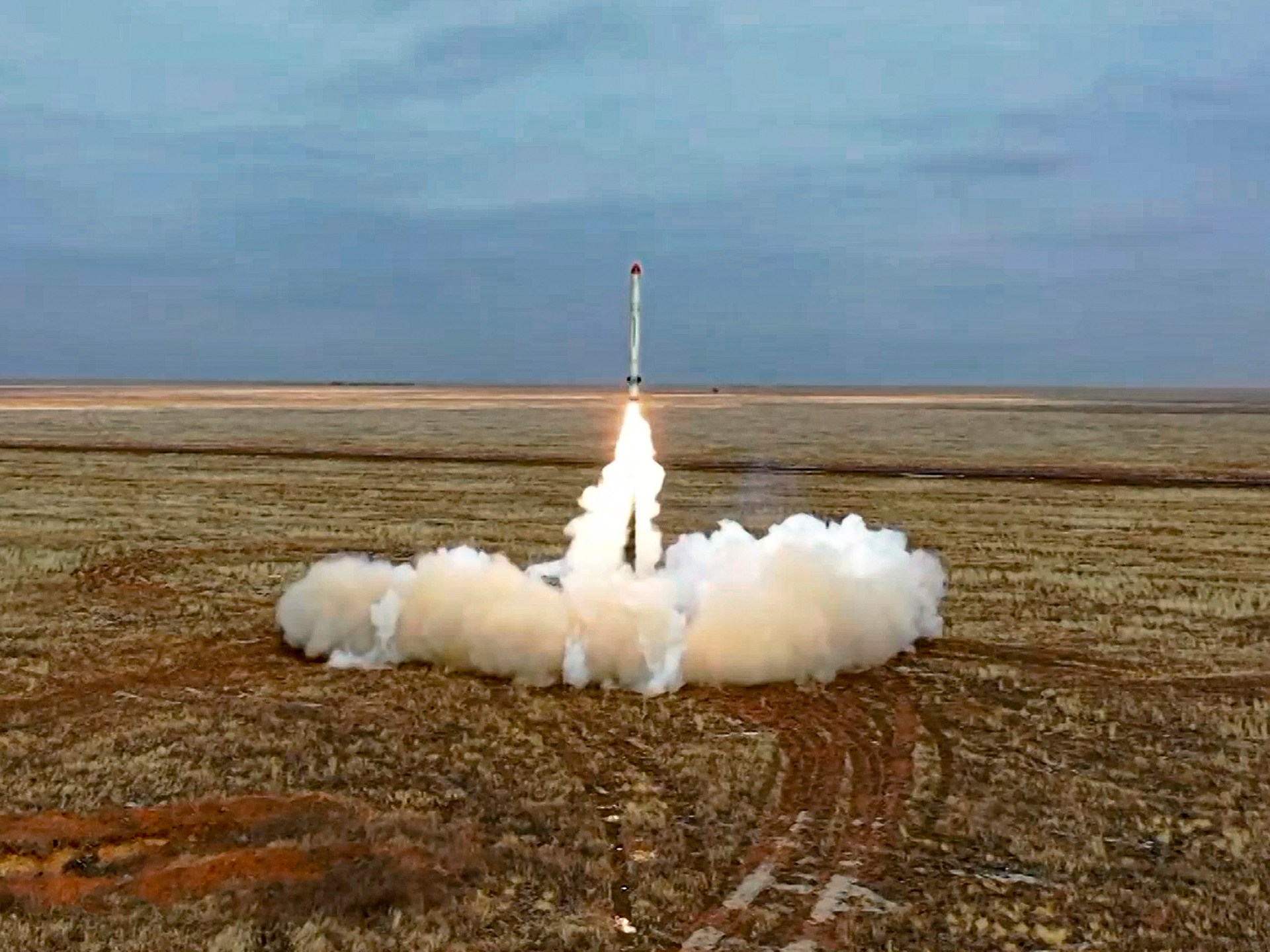
The upcoming United Nations conference on the Treaty on the Prohibition of Nuclear Weapons (TPNW) presents a chance to challenge the doctrine of nuclear deterrence. The world faces the greatest risk of deliberate or accidental nuclear conflict since the Cold War, according to the author. Although the threat of nuclear war has receded from headlines, it has not disappeared. In the early 1990s, the United States and Russia had an opportunity to eliminate nuclear weapons when only five states possessed them, but they declined. Today, the two countries, which together hold almost 90 percent of the world’s nuclear arsenal, have engaged in conflicts with non‑nuclear‑armed states: Ukraine and Iran. Leaders Putin and Trump have threatened to use nuclear weapons. While these threats have been reported, they have quickly faded from public attention.
The author notes that the rest of the world is countering this existential threat through quiet, multilateral diplomacy and persistent civil‑society advocacy, including work by ICAN. Putin, Trump, and Chinese President Xi Jinping recently met in a first‑ever three‑way summit. They reaffirmed that a nuclear war cannot be won and must never be fought, but did not introduce new commitments beyond discussing risk reduction and non‑proliferation.
The core question remains: how to secure safety in a world of competing nuclear powers. The author argues that the choice is between continuing to rely on deterrence—a theory unsupported by evidence that has brought humanity to the brink of catastrophe—and agreeing to the total elimination of nuclear weapons. Deterrence rests on the capability and willingness to use nuclear weapons to kill millions, and the 4,000 weapons deployed and ready for short‑notice use pose a constant threat.
The alternative—abolition—is gaining strength but is less discussed. It is embodied in the TPNW, which 101 countries have signed or ratified. The treaty bans nuclear weapons and all related activities, establishing a new norm of international law that renders them unacceptable alongside biological and chemical weapons.
The first review conference of the treaty will soon convene in New York under South Africa’s presidency. South Africa, which voluntarily dismantled its nuclear arsenal in the 1990s after developing it in the 1970s, serves as a model for elimination. The conference will assess implementation and identify ways to strengthen the treaty. Unlike the earlier Nuclear Non‑Proliferation Treaty review that failed to reach consensus, this gathering is expected to produce significant decisions, including a strong political declaration emphasizing disarmament and the urgency of addressing the risk of nuclear use, and calling out deterrence as a driver of that threat.
The author stresses that deterrence does not provide security; it creates chronic insecurity worldwide. Nuclear weapons are a political choice, created and dismantled by human hands, as South Africa demonstrated. Remaining countries that support the treaty but have not yet joined should do so now to highlight the isolation of the nine nuclear‑armed states and increase pressure on them and their allies to align with history.
President Kennedy’s words to the UN 65 years ago remain relevant: “The weapons of war must be abolished before they abolish us.”