India
Jammu and Kashmir to Set Up Prison Intelligence Units and Biometric Systems
By Arun Sharma
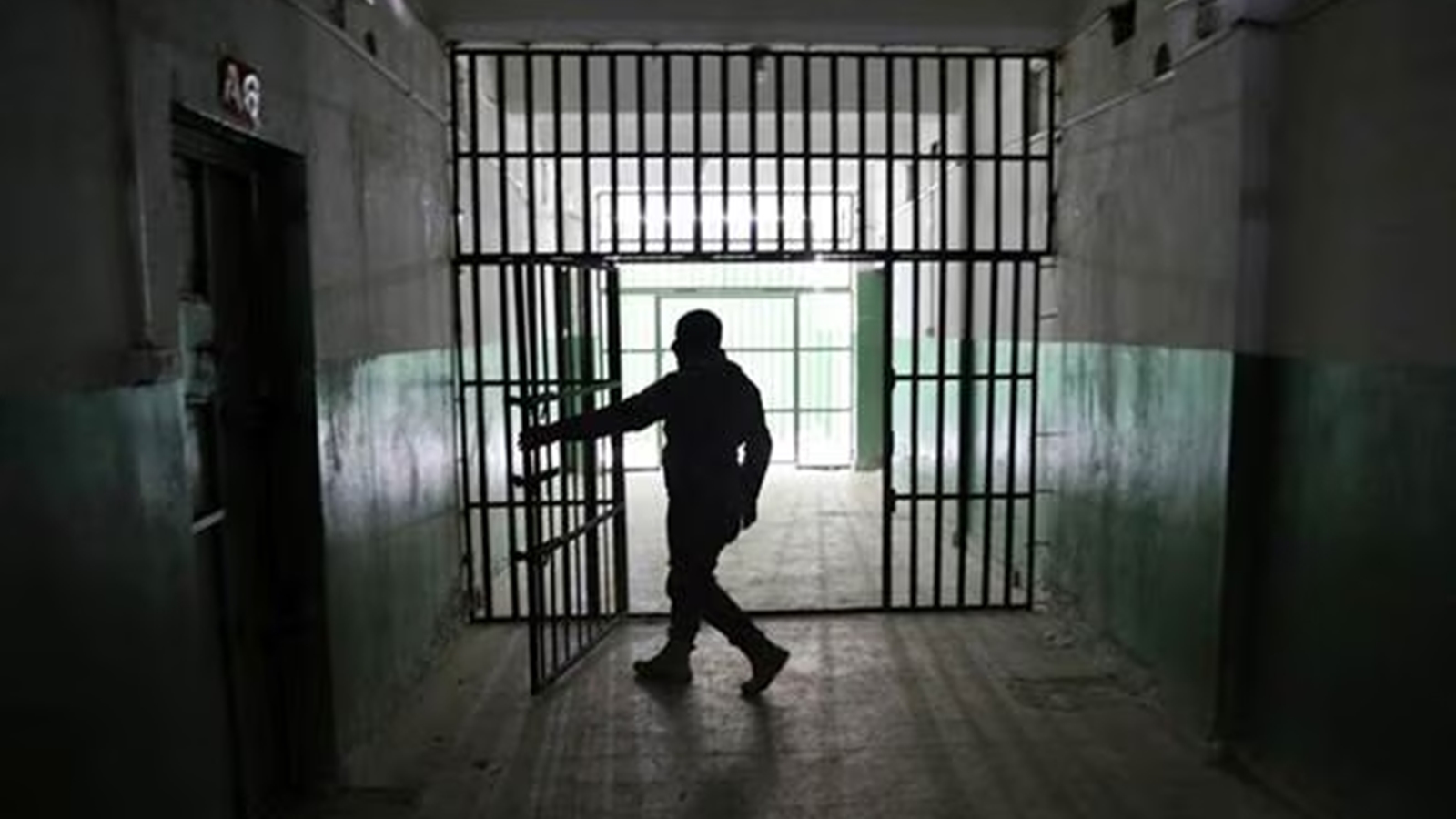
On Thursday, senior officials from police, prisons, intelligence agencies and the civil administration met at Lok Bhavan to discuss establishing dedicated prison intelligence units (PIUs) and installing biometric systems in all Jammu and Kashmir jails. The meeting, chaired by Union Territory Lieutenant Governor Manoj Sinha, aimed to strengthen jail administration and improve coordination between the police, prisons department and intelligence agencies. Sinha called for regular review meetings and intelligence sharing to counter terror networks, radicalisation and law‑and‑order threats. He also ordered surprise checks of prison premises and surrounding areas, and forensic analysis of any seized electronic devices.
The discussion included plans to expand tele‑medicine facilities for inmates and to strengthen human resources in the prisons department. Attendees included DGP Nalin Prabhat; DGP, Prisons, J&K, Deepak Kumar; Additional Chief Secretary, Home Department, Chandraker Bharti; Special DG, Coordination, PHQ, SJM Gillani; ADG, CID, MK Sinha; Principal Secretary to L‑G, Govind Jaiswal; Additional Director, IB, J&K and Ladakh, Pankaj Kumar Thakur; and other senior officials.
Currently, none of the J&K prisons has a dedicated intelligence unit. However, the central jail at Srinagar and the Kot Bhalwal jail in Jammu have been fitted with integrated layered‑security systems, including biometric verification, 24×7 CCTV surveillance and full‑body scanners after the Central Industrial Security Force (CISF) took over inner‑ring and perimeter security of key prisons.
Officials said that creating PIUs and installing biometric systems across all jails would help authorities gather information and monitor threats that may arise from inside prisons where Pakistani militants and hardened criminals are lodged. Several states—including Odisha, Tamil Nadu, Karnataka, Maharashtra, Jharkhand and Delhi—along with the national capital, have already introduced similar systems as part of prison administration modernisation. These systems use AI‑monitored CCTV cameras, RFID tracking and video conferencing to share real‑time information with prison authorities, police, intelligence and security agencies.
Past operations by prison officials, local police and intelligence agencies in J&K have disrupted illegal communication networks, terror‑financing modules and radicalisation efforts by militants and hardened criminals lodged inside jails. For example, Counter Intelligence Kashmir (CIK) and other agencies have uncovered jailed militants using mobile phones and social media apps to stay in contact with accomplices in Kashmir and handlers in Pakistan. Last month, J&K Police dismantled a terror‑funding network in Shopian district that was allegedly raising money for Lashkar‑e‑Taiba and its proxy group, The Resistance Front. Investigations revealed an intra‑UT network linked to militants in jails, tracking suspicious online financial transactions and digital money trails, leading to the arrest of nearly a dozen people. In the same month, police busted a radicalisation module linked to banned Ittihad‑ul‑Muslimeen in Bandipora district, which allegedly coordinated separatist activities targeting women from jailed separatist leaders. Earlier, security agencies uncovered a major inter‑state “white‑collar” terror network involving radicalised students and professionals, with jailed militants using encrypted messaging tools from behind bars on smuggled mobile devices to manage fund movement, logistics and recruitment drives across J&K, UP and Haryana.