India
Six 26/11 Mumbai Attack Conspirators Remain Unpunished in Pakistan
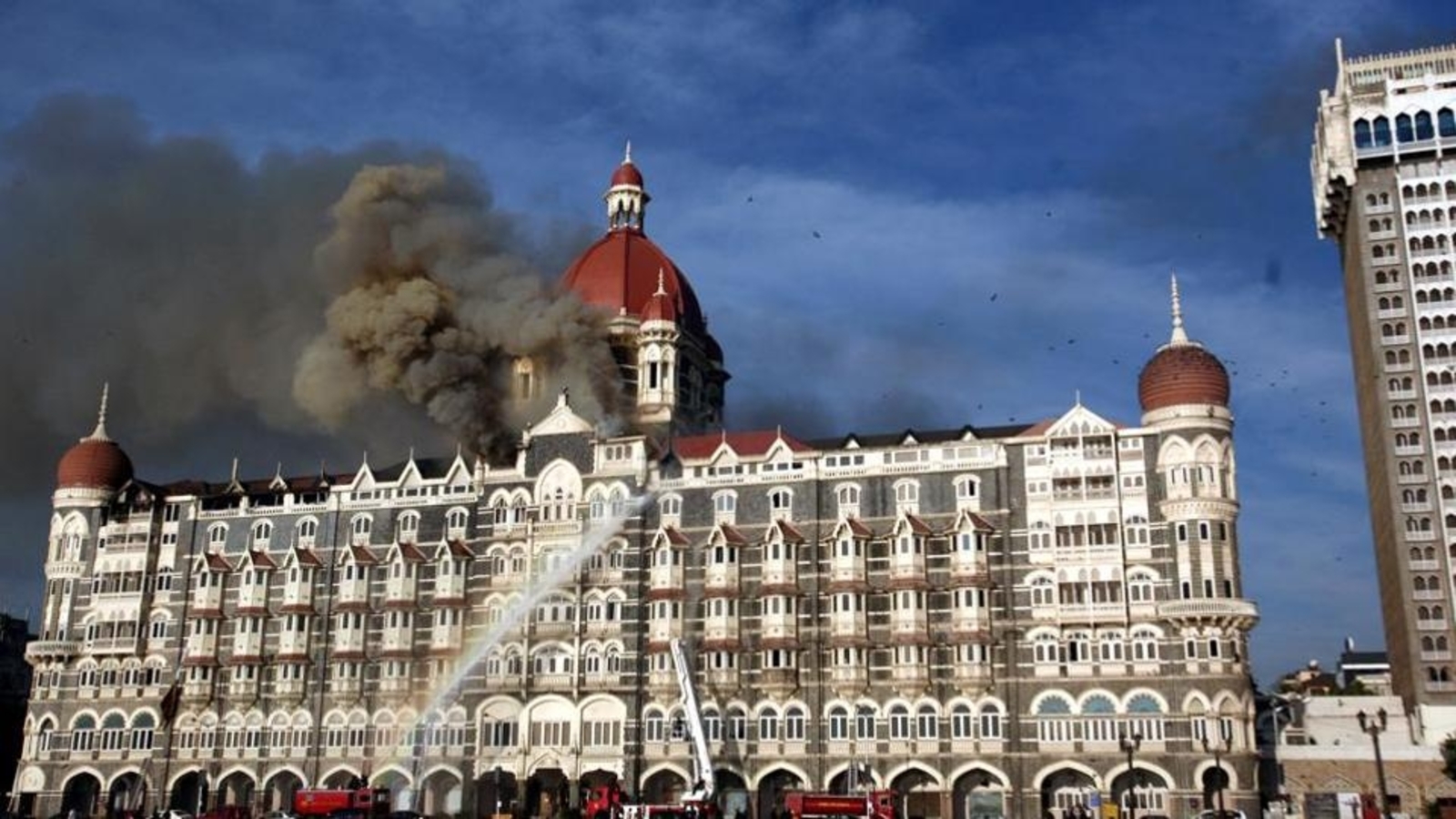
Six key conspirators of the 26/11 Mumbai terror attacks, including Lashkar‑e‑Taiba (LeT) chief Hafiz Saeed and the group’s operations chief Zaki‑Ur‑Rehman Lakhvi, continue to operate freely in Pakistan without facing significant legal consequences. Saeed, Lakhvi, and four other Pakistani‑based figures—Sajid Majeed alias Sajid Mir, a top LeT commander who oversaw the attack; Abdur Rehman Hashim Syed alias Pasha, a retired Pakistani military major; Major Iqbal; and Major Sameer Ali, both ISI officers—have not been punished for their roles in the attacks and reportedly receive protection from the Pakistani state, according to Indian intelligence agencies.
Saeed was sentenced to 78 years’ imprisonment in Pakistan in 2020 under pressure from the United States, but Indian officials say he remains under ISI protection and continues to direct his group’s terror activities. Mir was reportedly arrested and sentenced to eight years in prison, though little is known about his current whereabouts. Lakhvi was sentenced in 2021 to three consecutive five‑year terms for terror funding, yet Indian agencies claim he can carry out his activities freely. No action has been taken against the two ISI officers and the one military officer.
Seven of the ten conspirators were based in Pakistan at the time of the 26/11 attacks, from the planning stage to managing the control room. Indian authorities have sent letters rogatory to the Pakistani government seeking information and evidence, but have received no cooperation. An extradition request for Saeed remains pending.
Two other plotters—LeT’s former deputy head and Saeed’s brother‑in‑law Abdul Rehman Makki—died in Lahore in December 2024. Ilyas Kashmiri, leader of al‑Qaeda and its Pakistan‑based affiliate Harkat‑ul Jihad Islami, reportedly died in a U.S. drone strike in June 2011.
Indian agencies have only been able to obtain information on two of the ten conspirators: U.S. national David Coleman Headley, who was questioned by the National Investigation Agency in 2011 despite Washington’s refusal to hand him over, and Pakistani‑Canadian physician Tahawwur Rana, who was extradited to India in April and is now held in Delhi’s Tihar jail. A fresh charge sheet was filed in July last year based on Rana’s interrogation. The NIA’s court documents state that Rana was involved in the 26/11 conspiracy since 2006, visited India between November 13 and 21, 2008, and travelled from Dubai to China and then to the U.S. on the first day of the attacks.
The broader 26/11 conspiracy involved ten accused, with seven based in Pakistan during the attacks. Other individuals—Abu Qahafa, Abu Alqama, Muzammil, Abu Anas, and Abu Hamza—who played key roles in training the terrorists, religious instruction, and safehouse management, are also believed to be in Pakistan. Qahafa was identified as a senior LeT trainer and explosives expert; Abu Alqama was a senior LeT commander overseeing the Kashmir setup until 2008; Muzammil was a close associate of Lakhvi; and Abu Anas managed a LeT safehouse in Rawalpindi.