India
India to Introduce Time‑of‑Day Electricity Tariffs by 2029
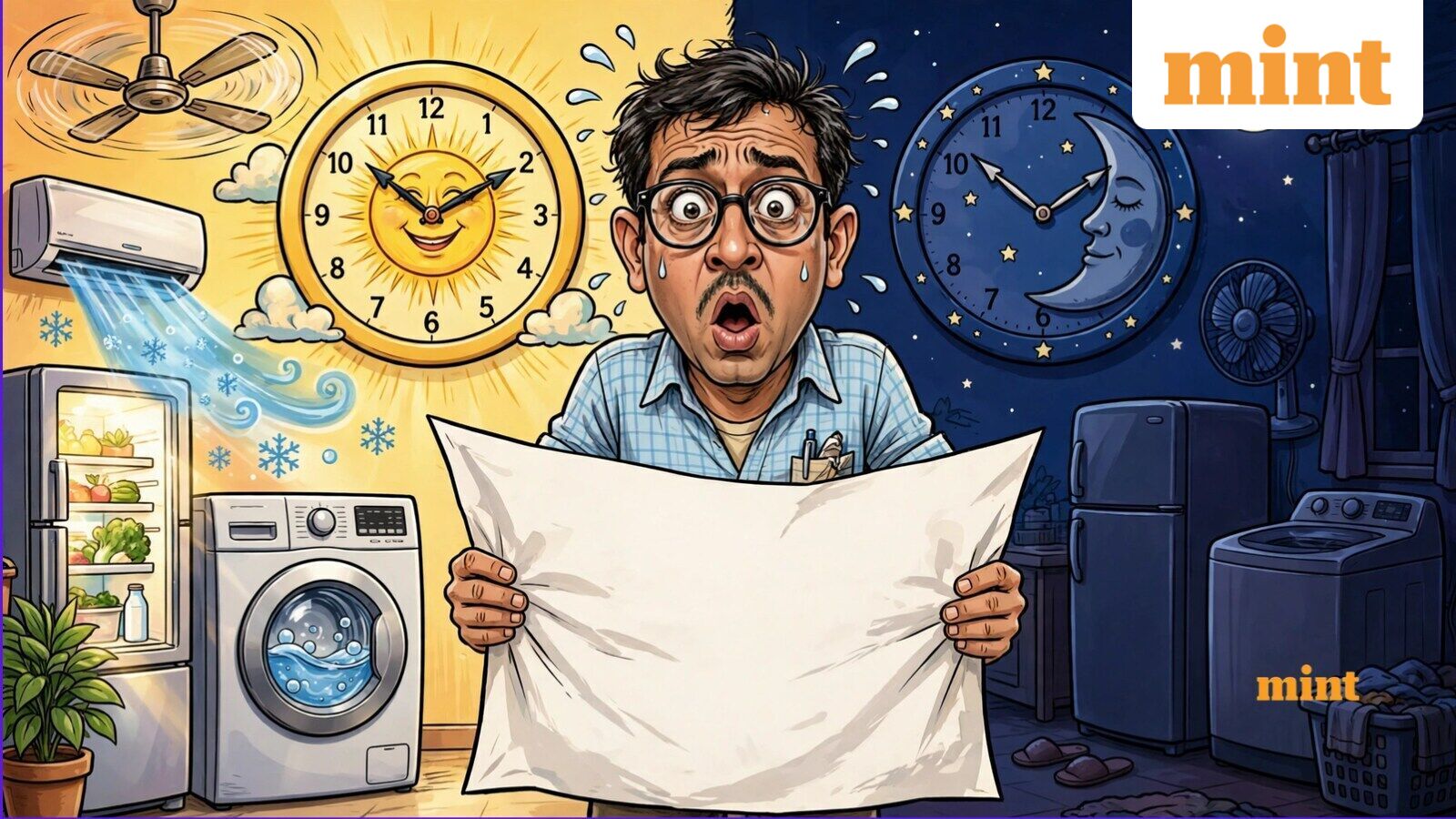
The Ministry of Power has proposed new rules that would make electricity charges vary by time of day for most consumers by April 2029. The changes aim to encourage use when supply is plentiful and to shift consumption to periods of lower demand. The draft rules are set to take effect on April 1, 2027, according to Saur Energy International Magazine. Consumers with a maximum demand above 10 kW will be moved to Time‑of‑Day tariffs first, with a deadline of April 1, 2028. Other consumers will switch by April 1, 2029, while agricultural consumers are exempt. The rates will vary across time slots and apply to the energy charge on bills. State electricity commissions will consider demand patterns and renewable power generation when setting those slots, taking into account both the state and the electricity supplier. They will also look at the cost of buying power, power exchange prices and what existing meters can measure.
Consumers who generate renewable power may face a storage requirement from April 1, 2028. State commissions could require storage equal to at least 20 % of the system’s daily generation, or a different share. The requirement would apply to systems above 10 kW unless a specified threshold is set.
The draft sets deadlines for new connections and changes to existing ones. Suppliers would have three days in metropolitan and municipal corporation areas, seven days in other municipal areas and 15 days in rural areas. Rural areas in hilly states and Union Territories would have a 30‑day limit. These deadlines apply after consumers submit complete applications. Suppliers could take up to 90 days if they must extend mains or commission substations, and they would have to connect the premises immediately after completing that work.
Suppliers must flag unusually high or low electricity use in their billing systems when usage exceeds five times the average of the previous six billing cycles or falls below one‑fifth of that average. State commissions may set other limits for identifying such cases. Suppliers have 30 days from the date the electric bill is generated to resolve flagged cases. Consumers can avoid disconnection by paying for average usage over the previous six billing cycles; those payments continue until the supplier resolves the issue. The billing safeguards would take effect within six months of the amended rules, or earlier if the supplier is ready.
Sounak Mukhopadhyay covers trending news, sports and entertainment for LiveMint. His reporting focuses on fast‑moving stories, box‑office performance, digital culture and major cricket developments, combining real‑time updates with clear context for everyday readers. He has newsroom experience across breaking news, explainers and long‑form features, emphasizing accuracy, verification and responsible storytelling. His work tracks audience behaviour, celebrity influence and the business of sport and cinema, helping readers understand why a story matters beyond the headline. He writes daily coverage and analytical pieces that interpret numbers, trends and cultural moments in accessible language, prioritising factual depth, balanced framing and reader trust. Outside daily reporting, he explores storytelling across formats including podcasts, filmmaking and narrative non‑fiction, aiming to document the rhythms of modern entertainment and sports while maintaining rigorous editorial integrity.
Frequently asked questions
When will the time‑of‑day tariffs start for most consumers?
The new tariffs will take effect on April 1, 2027.
Which consumers are exempt from the new tariffs?
Agricultural consumers are exempt from the time‑of‑day tariffs.
What storage requirement may apply to renewable power generators?
From April 1, 2028, renewable power generators may need storage equal to at least 20 % of the system’s daily generation for systems above 10 kW.