India
India Calls for Expanded Domestic Manufacturing Rules to Include Battery Storage Systems
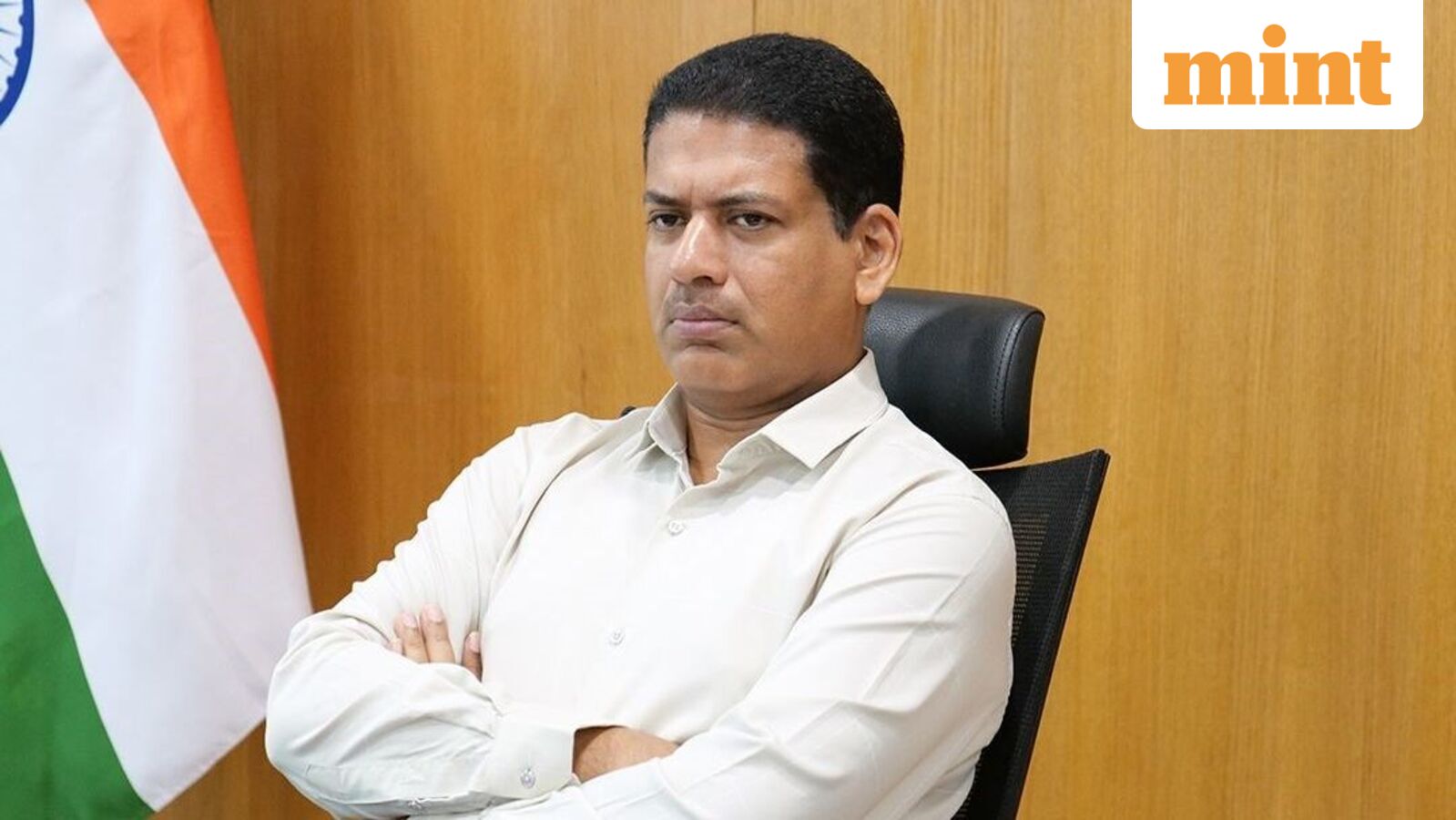
India’s renewable energy sector has urged the government to broaden its domestic manufacturing push beyond solar modules and wind turbines to cover battery energy storage systems (BESS) and other critical components. Santosh Kumar Sarangi, secretary at the Union Ministry of New and Renewable Energy (MNRE), said on Thursday that the industry wants measures similar to the Approved List of Models and Manufacturers (ALMM) framework. The request comes as India seeks to reduce dependence on imports, especially from China, for key renewable energy supply‑chain components. It follows China’s proposal to curb exports of equipment used to manufacture solar components such as cells and wafers.
During the Bharat Renewable Energy Summit, Sarangi noted that a recurring theme was the need to lessen critical dependence on specific geographies. He said, “If we are beholden to particular geographies for certain items, then there is a need for thinking about manufacturing in those segments.” The ministry held a roundtable with CEOs and investors on Wednesday, where executives called for extending the ALMM framework to other components, including battery storage systems.
The ALMM framework requires government‑backed projects to source specified equipment from approved domestic manufacturers. ALMM‑I and ALMM‑II cover locally manufactured solar modules and cells, while the Approved List of Models and Manufacturers for Wind covers quality‑certified turbines for utility‑scale projects. The solar cell requirement has been deferred until 31 December 2026 due to supply concerns. These non‑tariff barriers, combined with incentives, have helped India expand its domestic solar manufacturing capacity to more than 200 GW of modules and 50 GW of cells. The ministry also plans to bring wafers and ingots under the framework from June 2028.
Reducing import dependence is also a priority for the battery supply chain, where India relies heavily on imports, mainly from China. To strengthen energy independence and security, the government is developing a domestic battery storage ecosystem. On Wednesday, the Union cabinet approved a viability gap funding (VGF) scheme for grid‑scale energy storage systems, committing ₹14,500 crore in financial support between FY27 and FY31. The scheme aims to support the development of 92 GWh of additional grid‑scale energy storage capacity, equivalent to 170 % of India’s existing capacity, and help meet the country’s requirement of 411 GWh by FY32.
Battery energy storage systems are essential for integrating renewable power into the grid. Solar and wind generation are variable, making it necessary to store electricity when generation is available and deploy it when needed, including during non‑solar hours. Storage systems also help stabilize the power grid and strengthen the transmission network.