Climate & Environment
Climate Change Cuts Indian Crop Yields, Drives Food Prices Up, White Paper Finds
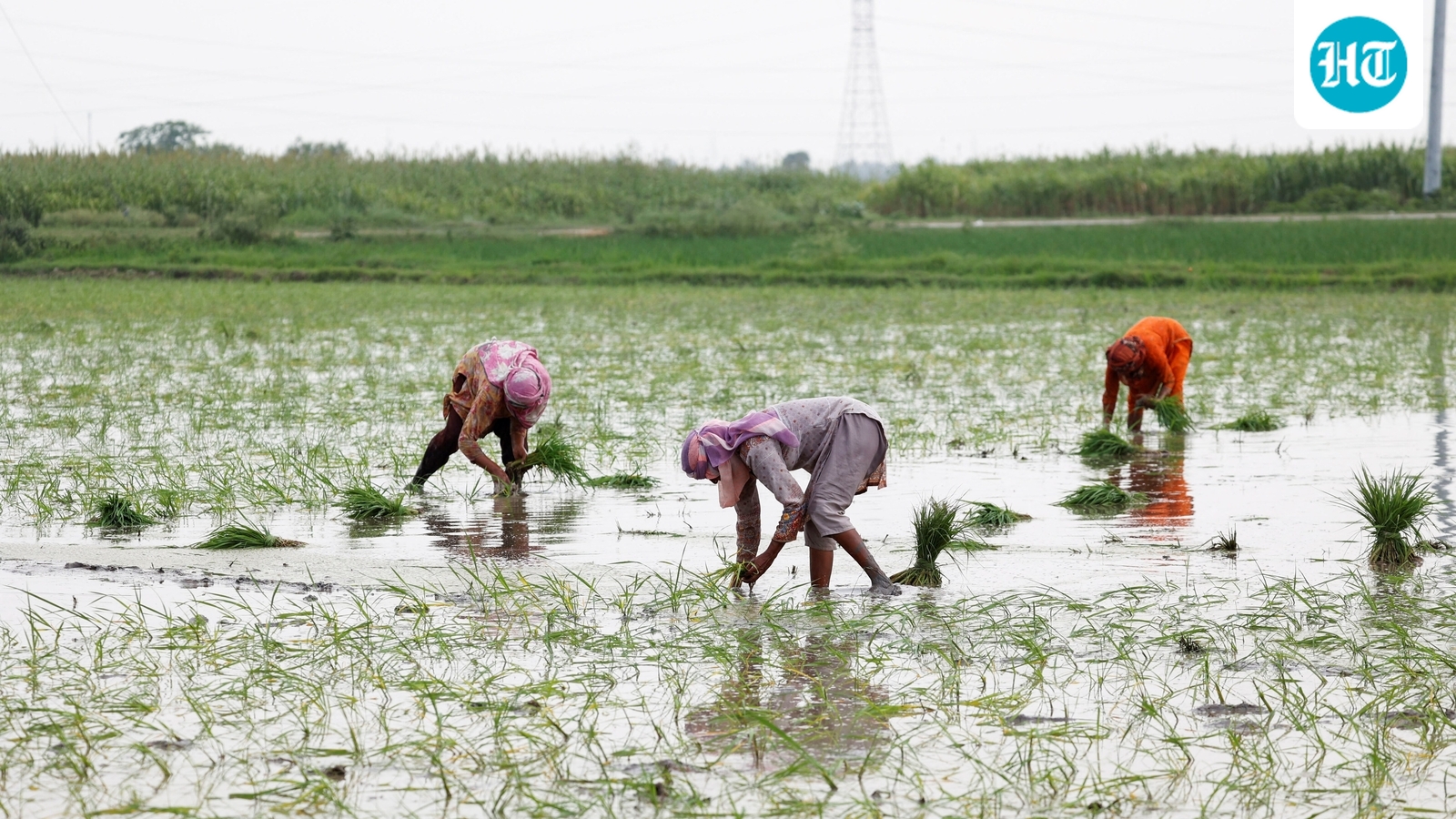
A new white paper released by Climate Trends, a research‑based consulting initiative in New Delhi, warns that climate change is eroding India’s food system. The report, titled ‘From Risk to Resilience: Climate Change, Ecology and the Future of Indian Agriculture’, compiles evidence that rising temperatures, erratic rainfall, extreme weather and ecological degradation are reducing crop yields, disrupting supply chains and inflating food prices.
The paper cites studies showing that a 1 °C rise in temperature over the past five decades has lowered national crop yields by about 8 %, with climate‑sensitive crops such as maize suffering up to 16 % loss. A 20 % decline in rainfall could cut paddy yields by 12 %. Wheat production could fall by as much as 23 % by 2050, and fish catches are projected to decline 10‑17 % by the same year.
The impacts extend beyond farms. In the hottest summer of 2024, mangoes that normally stay on market for two days perished within a day, costing a Delhi fruit seller more than ₹1 lakh. The report calls small retailers the weakest link in the supply chain, noting that India loses 30‑40 % of its fruits and vegetables and 5‑6 % of its grains due to inadequate storage and transport. Only 4 % of fresh produce is covered by cold‑chain facilities, leading to annual food losses worth $13 billion. Heat stress also causes about 1.8 million tonnes of milk loss each year, worth roughly ₹2,661 crore.
Climate shocks are contributing to food inflation. A Reserve Bank of India study found that a one‑unit increase in temperature deviation raised vegetable inflation by about 1.3 percentage points between April 2014 and March 2024. In 2024, extreme heatwaves pushed onion prices up by 80 %. Wheat output fell from 109.59 million tonnes in 2020‑21 to 106.83 million tonnes in 2021‑22, prompting the government to restrict wheat exports to protect domestic supplies.
The report estimates that climate‑related losses in paddy, wheat and maize alone could amount to 0.28‑1.02 % of India’s GDP by 2050. It also warns that current agricultural practices—heavy reliance on chemical fertilizers, groundwater extraction and continuous paddy‑wheat cultivation—are weakening the ecological foundations of food production.
Recommendations include shifting from a chemical‑intensive, yield‑focused model to agroecological practices that restore soil health, conserve water, diversify crops and reduce external inputs. The paper calls for reforms in research, extension, credit, insurance, procurement and subsidies, as well as stronger early‑warning systems, block‑level weather advisories, climate‑resilient seeds, crop insurance and decentralized storage and processing facilities.
A key concern is the shortage of adaptation finance for small farmers. The paper estimates that small farmers in South Asia, cultivating 10 hectares or less, needed $150.3 billion in climate adaptation finance in 2021, but only $210 million was available—0.13 % of the requirement. It cites Andhra Pradesh’s community‑managed natural farming programme, launched in 2016, as an example of an alternative approach. The programme has reached more than 1.77 million farmers across 920,000 hectares, with reported outcomes including a 38‑66 % increase in farmer incomes over four years, a reduction of up to 50 % in water use and up to 46 % lower greenhouse gas emissions per acre.
The report concludes that investing in agroecology is not merely an environmental imperative but a strategic necessity for safeguarding India’s food security, economic stability and rural livelihoods.
Frequently asked questions
By how much has a 1°C rise in temperature affected Indian crop yields?
It lowered national crop yields by about 8%, with maize suffering up to 16% loss.
What is the projected decline in wheat production by 2050?
Wheat production could fall by as much as 23% by 2050.
How much annual food loss does India incur due to inadequate cold-chain facilities?
Only 4% of fresh produce is covered by cold-chain facilities, leading to annual food losses worth $13 billion.