Health
Scientists Uncover Immune Mechanism Behind Stomach Cancer Linked to Common Bacterium
By Mirage News
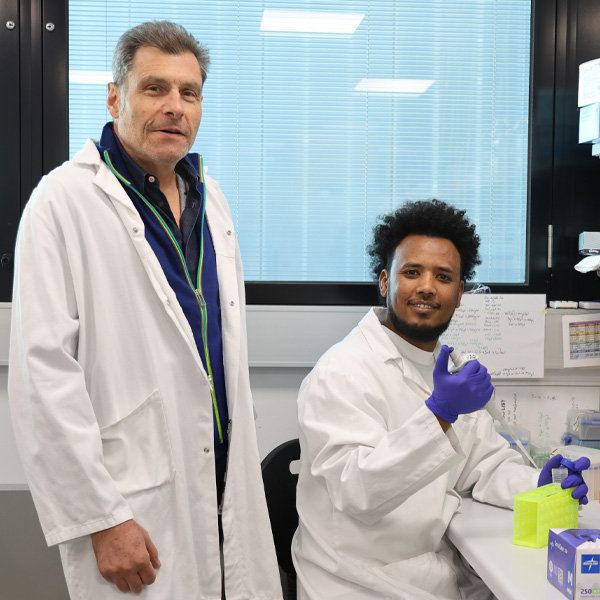
Researchers at Hudson Institute of Medical Research have identified a key immune mechanism that explains why some infections with the bacterium Helicobacter pylori progress into a rare form of stomach lymphoma, while others do not. The findings, published in The FASEB Journal, could open the door to new treatment options for the disease.
H. pylori infects roughly half of the world's population and is responsible for about 90 per cent of gastric cancers. Until now, it was unclear why only some infections led to MALT lymphoma, a rare cancer of the stomach.
According to Professor Richard Ferrero, the research team found that immune cells called macrophages play a central role. When these cells lack a protein known as NLRC5, they lose the ability to control tumour development. In laboratory cell culture models, macrophages without NLRC5 showed elevated levels of two signalling molecules, AXL and MERTK, which are associated with various cancers but had not previously been linked to stomach lymphoma.
Ferrero explained that increased levels of these proteins in host cells create immunological conditions that favour tumour growth. Because drugs already exist to block the activity of AXL and MERTK, these molecules could serve as new treatment targets for H. pylori-related stomach lymphoma.
Shambel Haile, a PhD student and the paper's first author, said the discovery could help prevent the progression of stomach lymphoma into more severe disease. He noted that chronic H. pylori infection can lead to MALT lymphoma, but when caught early, the infection can often be cleared with antibiotics. However, additional treatment options are needed for cases where antibiotics are ineffective and the disease advances.
Haile said the ten-year survival rate for MALT lymphoma exceeds 90 per cent when detected early, but drops to less than half that once the disease has progressed, underscoring the importance of early intervention.
Ferrero echoed this, stating that there is a clear clinical need for new therapies to be used either alone or alongside existing treatments. He added that the study's findings raise the possibility of repurposing existing drugs, which could save both time and lives.