World
US Lawmakers Urge Trump Administration to Halt Planned Deportation of Afghans
By Umar Farooq
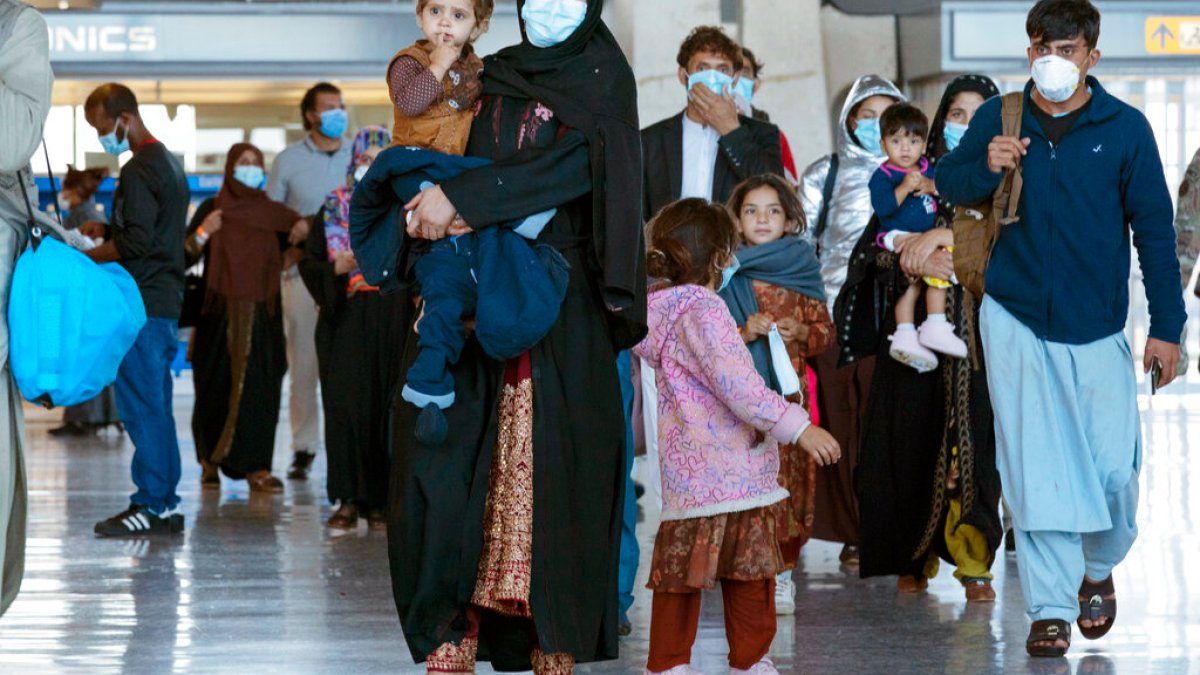
A group of 66 U.S. lawmakers has written to the Trump administration, asking it to stop a planned mass deportation of Afghans, including those who worked with coalition forces before the 2021 U.S. military withdrawal. The lawmakers cited reports that at least 150 Afghans were scheduled to be deported from detention facilities in Louisiana to Pakistan on Tuesday. The Associated Press reported that Department of Homeland Security officials had indicated in court filings that some Afghans would ultimately be returned to Afghanistan. The U.S. has no diplomatic relations with Afghanistan, which has been governed by the Taliban since U.S. troops withdrew in August 2021. The lawmakers warned that sending people back to a country where they could be targeted for alleged support of the U.S. government or criticism of the Taliban is a death sentence and reminded the administration of its promise not to abandon Afghans who sacrificed their safety to stand with American service members.
The Trump administration has entered agreements with at least 35 countries to take in third‑country nationals, often because it fears sending them back to their home countries would expose them to torture, death, or persecution. Critics argue that this practice undermines global humanitarian norms and that deportees often end up in countries with poor human‑rights records. Nonprofits Refugees International and Human Rights First have documented that the administration has forcibly sent at least 25,000 people to third countries. Human Rights First confirmed that a flight carrying some of the Afghans from Alexandria, Louisiana, to Pakistan is scheduled for Tuesday.
Many of the Afghans slated for deportation did not have the opportunity to properly contest their removal in court. Shawn VanDiver, founder and president of the advocacy group AfghanEvac, said that most were placed into removal proceedings because they lacked attorneys. He spoke to a former Afghan police officer who feared for his life if returned to Afghanistan. Other individuals had worked for the Afghan government or with the U.S., or had family who did, and would be in danger.
Since taking office, Trump has sought to end resettlement programs for Afghans that were started by former President Joe Biden. More than 120,000 Afghans were evacuated from Afghanistan in 2021, with some housed abroad, such as in Qatar. In September, the U.S. granted a nine‑month extension for Camp As Sayliyah, a facility in Qatar housing over 1,000 Afghans who assisted U.S. forces. Those evacuated to the U.S. were initially granted humanitarian parole, later receiving Temporary Protected Status for 18 months. However, few Afghans have been able to move their asylum or other special‑protected‑status applications through the backlogged immigration system.
The Trump administration has instituted record‑low quotas for asylum applications worldwide, with an exception for white Afrikaners from South Africa. It halted processing of Afghan applications after an Afghan man allegedly shot two National Guardsmen in Washington, D.C., in November 2025, and included Afghan nationals in a blanket visa ban earlier this year. Both policies were challenged in court. VanDiver and other advocates are pushing for new legislation, including a bipartisan bill that would grant many Afghans Temporary Protected Status after the Trump administration withdrew it.