Science
Scientists Claim to Have Found Fossilised Red Blood Cells in 115‑Million‑Year‑Old Dinosaur Bone
By Ian Sample

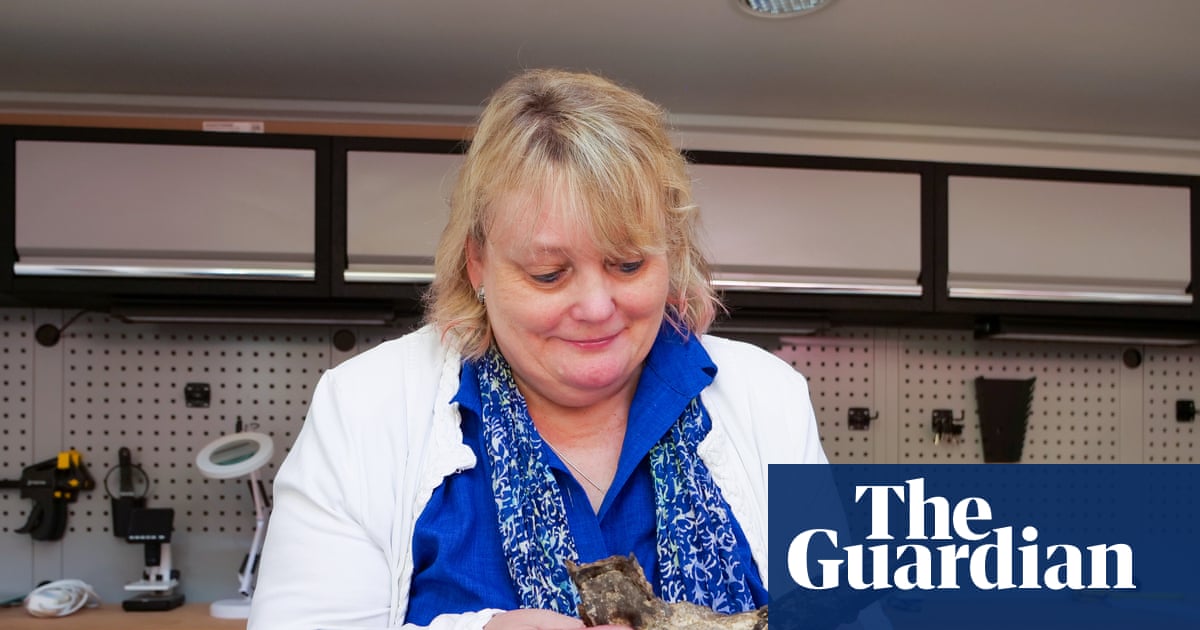
Researchers analysing the hind‑leg bones of an 115‑million‑year‑old meat‑eating dinosaur, Aratasaurus, from north‑eastern Brazil, report that electron‑microscope images reveal small, round structures that resemble red blood cells in the fine channels where blood vessels once ran. Chemical tests detected heme, the organic compound that allows haemoglobin to carry oxygen, and also identified amino‑acid building blocks for collagen. The team, led by Professor Kliti Grice of Curtin University in Western Australia, suggests that a manganese compound called hausmannite may have stabilised the cells and amino acids before fossilisation. The findings, published in the Proceedings of the National Academy of Sciences, have sparked debate. Professor Mary Schweitzer of North Carolina State University, who has previously discovered remnants of blood vessels and soft tissues in dinosaur fossils, expressed skepticism, noting that the structures lack the dome‑shaped nuclear bulge typical of red blood cells. She acknowledged the significance of the heme and collagen findings but cautioned that the discovery does not imply the preservation of large biological molecules such as proteins or DNA. Grice emphasised that extraordinary claims require extraordinary evidence and that the study aims to determine how much genuine molecular information can survive deep time. The Aratasaurus fossils were first discovered in a mine in 2008 and have been housed at the National Museum of Brazil, where further research continues.}
Frequently asked questions
What evidence indicates the presence of red blood cells in the dinosaur bone?
Electron‑microscope images reveal small, round structures resembling red blood cells in the fine channels where blood vessels once ran, and chemical tests detected heme and amino‑acid building blocks for collagen.
Which compound is suggested to have helped preserve the cells and amino acids?
The study suggests that a manganese compound called hausmannite may have stabilised the cells and amino acids before fossilisation.
What concerns did other scientists express about the findings?
Professor Mary Schweitzer noted that the structures lack the dome‑shaped nuclear bulge typical of red blood cells and cautioned that the discovery does not imply preservation of large molecules such as proteins or DNA.