Science
New Hampshire Closes 20 Acres of Great Bay to Shellfish Harvesting for Five Years to Protect Oyster Restoration Sites
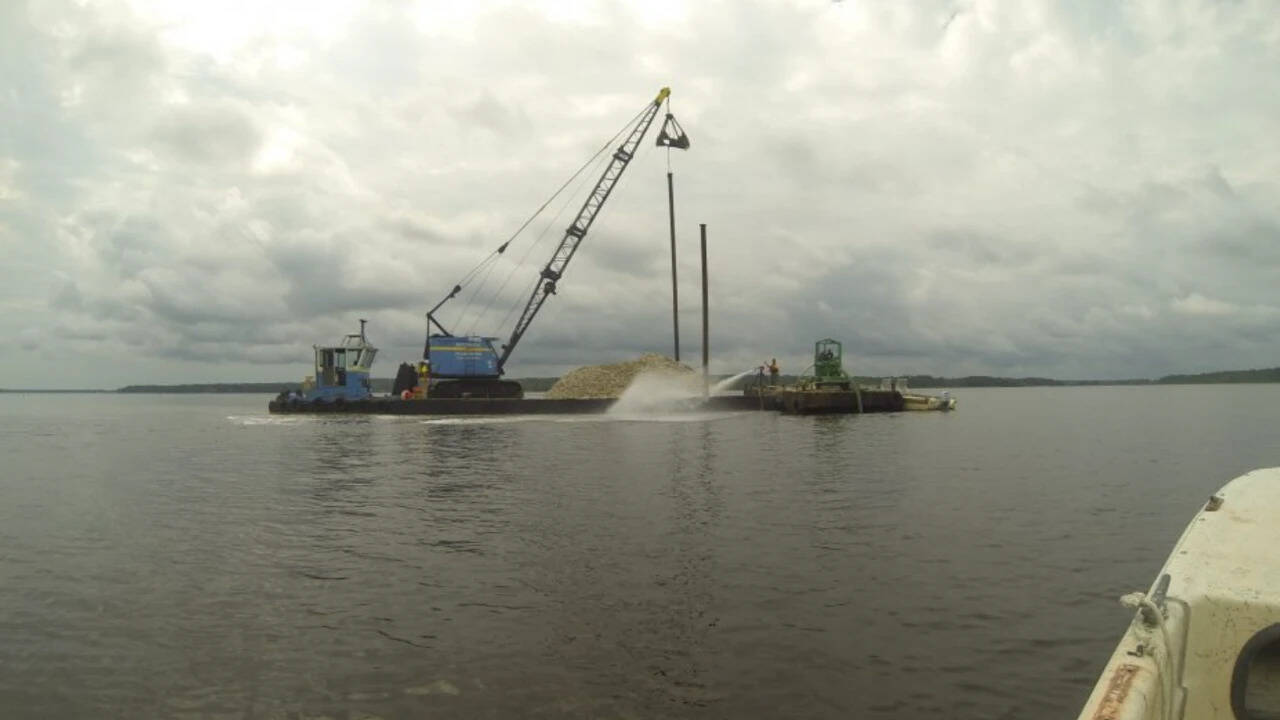
On October 29, 2026, the New Hampshire Fish and Game Department announced that 20 acres of Great Bay would be closed to shellfish harvesting from November 1, 2026, through October 31, 2031. The closure is intended to protect two oyster restoration sites: a 5‑acre area near Woodman Point and a 15‑acre area near Nannie Island. The decision was made in partnership with The Nature Conservancy and the University of New Hampshire. Existing natural oyster reefs remain open to recreational oyster harvesters.
The move is part of a broader effort to address the decline of oyster reefs in Great Bay. Historically, the bay may have supported as many as 1,000 acres of living oyster reefs in 1970, but more than 90% of those reefs have been lost to pollution, harvesting and disease. Oysters are filter feeders that can clean up to 50 gallons of water per day, supporting eelgrass beds and providing habitat for fish, crabs and other marine life. Their loss has had wide ecological impacts.
Restoration work around Nannie Island involves researchers, conservation organizations and local oyster farmers. The Nature Conservancy’s program places oyster larvae on shells, raises juvenile oysters, and then introduces them to restored reef sites. Scientific assessments, historical reef maps, water‑quality data and community input guide site selection, while monitoring tracks oyster survival, growth and reef health.
The five‑year closure allows the restoration sites to develop without disturbance from harvesting. It does not close all oyster harvesting in Great Bay, nor does it affect natural reefs outside the designated areas. The closure is a step toward rebuilding reef habitat and improving the overall health of Great Bay’s underwater ecosystem.