World
Anthrax Claims 28 Hippos in Virunga National Park
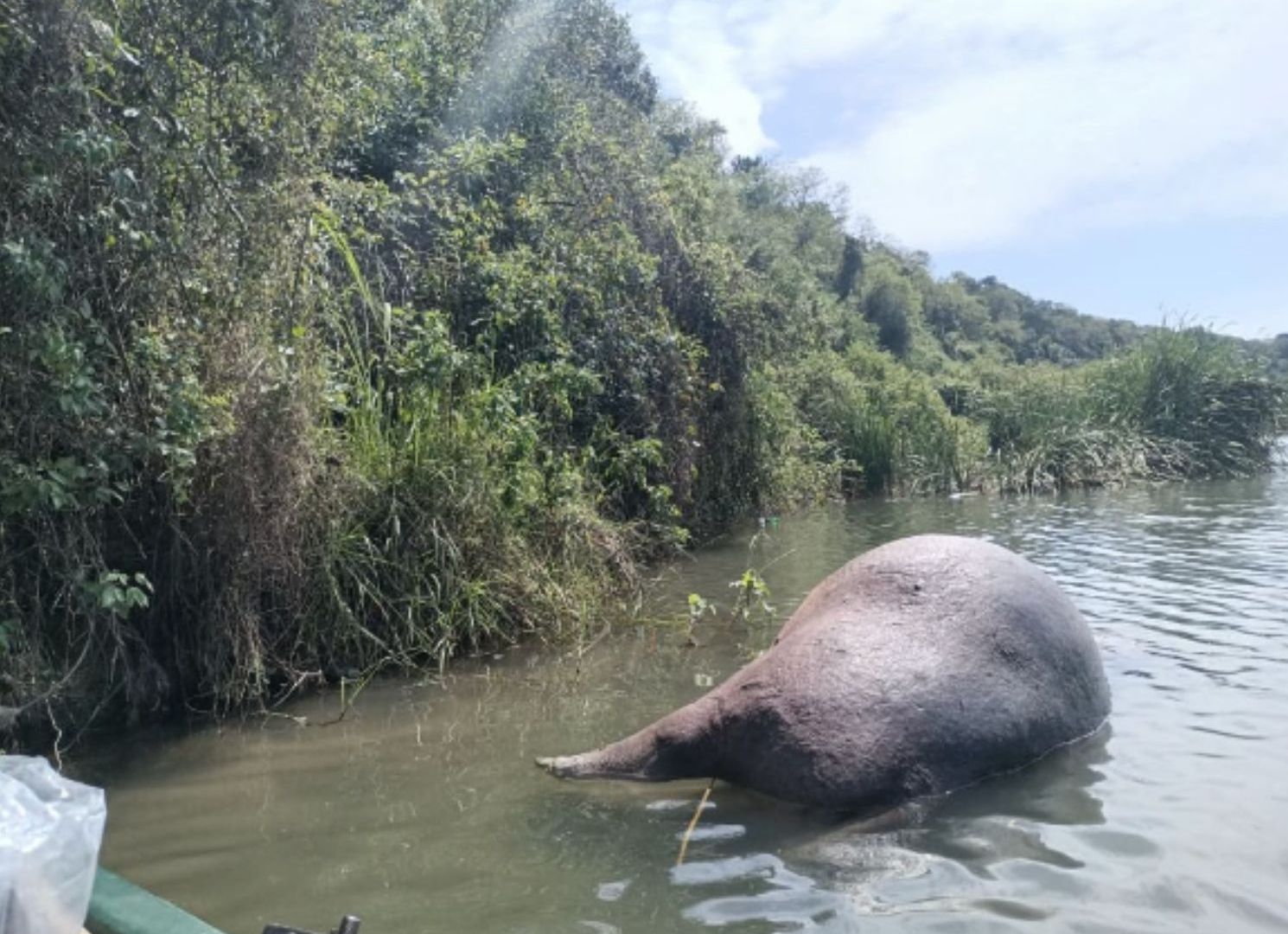
Over the last month, 28 hippopotamuses have died in the Semuliki River, west of Virunga National Park, according to laboratory tests that identified the cause as anthrax caused by Bacillus anthracis. The deaths were first noticed in mid‑September, and the outbreak has raised concerns among residents of the Vitshumbi enclave, about 100 kilometres north of Goma, the capital of North Kivu province.
"We have started to fear this situation, which is unfolding whilst we are in the midst of the Ebola outbreak," said Michael Kambale, a local resident, to Al Jazeera.
Virunga National Park officials said the disease can be transmitted to humans through contact with a dead or sick animal or by consuming its meat. The park is focusing on surveillance, safe management of carcasses and reducing risks to wildlife and local communities. Teams are monitoring the area, recording new mortality cases and coordinating safe handling and disposal of carcasses. Residents are being advised not to touch, skin or consume animals found dead and to report any carcasses or suspected cases to authorities.
The park, founded in 1925 and Africa’s oldest national park, has lost control of a significant part of its territory over the past four years due to conflict between the Congolese army and M23 fighters. The M23 group claims to protect the area from poachers and other threats.
Anthrax outbreaks have previously been observed among hippos and other wild animals during drought periods. Factors contributing to recurring outbreaks include the persistence of the bacterium in the environment, deteriorating ecological and climatic conditions, concentration of animals around aquatic habitats and difficulties in monitoring wildlife health. When vegetation becomes scarce, herbivores may graze closer to the ground and congregate around limited grazing areas and water points, increasing exposure to contaminated soil.
A February 2026 census estimated the hippo population at more than 2,700 in 171 groups. In 2025, an anthrax outbreak killed 65 hippos in the park. Park staff used excavators to retrieve carcasses from the water. Anthrax spores can survive for decades in soil.
Joel Mbusa Mapoli, an expert in ecology and veterinary medicine, said the response should combine conservation measures with public health interventions, following the One Health principle that links human, animal and environmental health. He called for stronger epidemiological surveillance, better protection for local communities, proper carcass management and greater collaboration among state, non‑state and para‑state bodies. "The hippopotamus is one of the flagship species of the Virunga ecosystems. Its disappearance could lead to a major disruption of aquatic ecosystems, as these animals play a role in the exchange of matter between terrestrial and aquatic environments," he told Al Jazeera.
Frequently asked questions
How many hippos died from anthrax near Virunga National Park?
28 hippopotamuses died in the Semuliki River, west of Virunga National Park, as identified by laboratory tests.
What measures are Virunga National Park officials taking to address the anthrax outbreak?
The park is focusing on surveillance, safe management of carcasses, reducing risks to wildlife and local communities, monitoring the area, recording new mortality cases, coordinating safe handling and disposal of carcasses, and advising residents not to touch, skin or consume animals found dead.
What is the estimated hippo population in Virunga National Park?
A February 2026 census estimated the hippo population at more than 2,700 in 171 groups.